

Rainy Days and Dark Nights: Museum Highlights for November 2025
Autumn is entering its final stretch, and the museum season is at its peak. The Louvre’s major David exhibition, which we covered last month, continues to draw crowds, while French art seems to be multiplying across the Atlantic with Rousseau, Pissarro, and Renoir all taking center stage in North America. As the days grow shorter, we gathered a list of exhibitions around the world that are worth stepping out for, especially if the alternative is sighing your way into winter on the couch with the TV.

Wright of Derby: From the Shadows
The National Gallery, London
November 7, 2025 to May 10, 2026
The National Gallery opens its fall season with a focused look at Joseph Wright of Derby and his candlelit world of science, curiosity, and carefully staged drama. The exhibition brings together more than twenty paintings, prints, and objects that show how Wright worked at the intersection of art and Enlightenment thinking. He used single points of light to turn ordinary moments into scenes that feel almost theatrical.
The exhibition brings together several works from private collections, and one of the most striking examples is Three Persons Viewing the Gladiator by Candlelight. Three men stand before a small version of the well-known Borghese Gladiator. In Wright’s time the sculpture was widely believed to show a gladiator, although later research identified the figure as Achilles fighting the Amazons. Copies of the statue appeared in homes and estates across Europe, so Wright’s viewers would have recognized it immediately. The painting attracted immediate attention when first shown, and a mezzotint soon followed, spreading the image far beyond the original canvas.
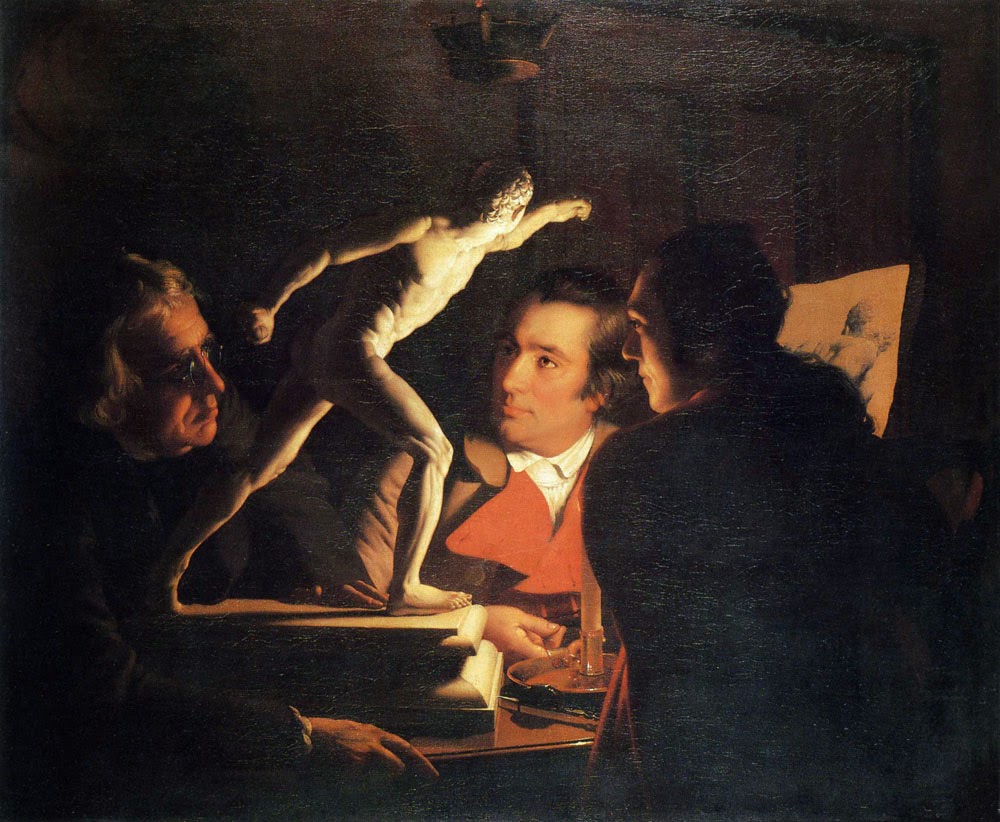
Wright was never simply painting “night pictures.” He was recording the way people looked, questioned, and learned. The exhibition also traces how his interest in experiments, mechanical devices, and philosophical demonstrations shaped his style. This is the first major London show in decades to place his scientific themes at the center of the narrative. The galleries include familiar icons such as An Experiment on a Bird in the Air Pump, along with lesser-known works that reveal how deeply Wright studied light.
Turner and Constable: Rivals and Originals
Tate Britain, London
November 27, 2025 to April 12, 2026
A popular story claims that Turner’s last words were “The Sun is God.” Whether true or not, the line captures the intensity of his interest in light. Constable offers something different. His work shows patience, structure, and a belief that everyday places matter.
Tate Britain brings together J. M. W. Turner and John Constable in a large exhibition that marks 250 years since their births. The two artists were born one year apart and grew into very different kinds of painters. Turner pushed color and atmosphere toward abstraction. Constable stayed close to the countryside he knew best and worked with quiet, steady observation. Seeing their work side by side gives a clear sense of how they responded to each other and how both changed the direction of British landscape painting.
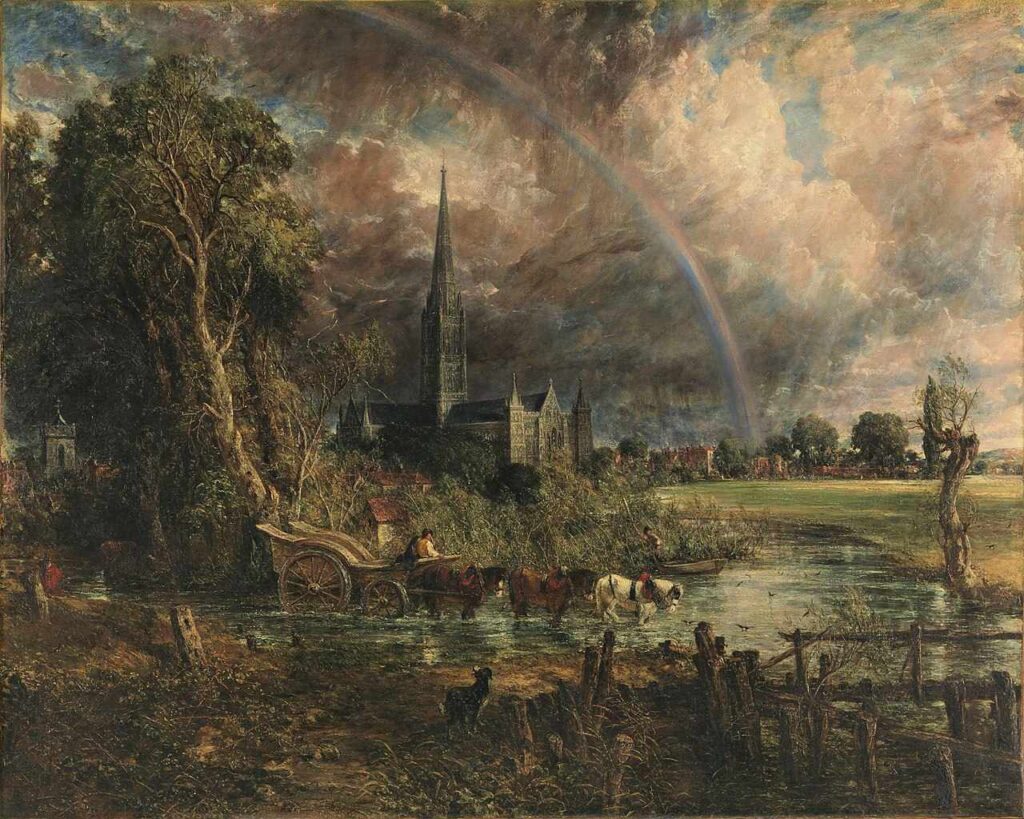
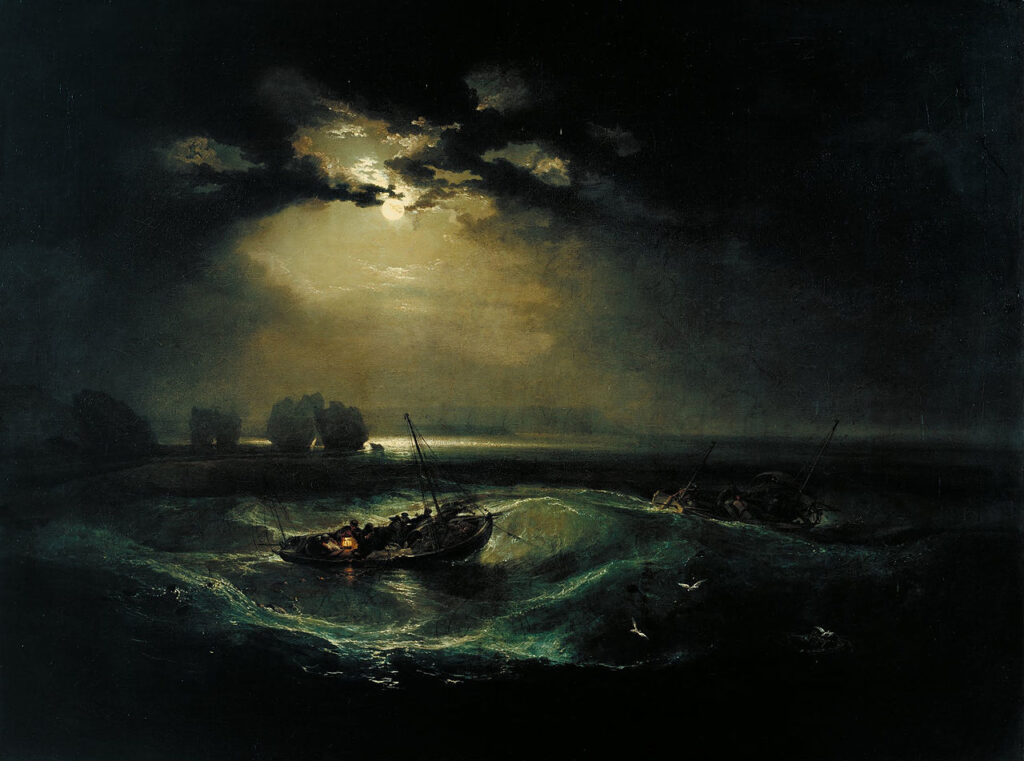
The show includes more than 170 pieces. Large canvases appear next to working sketches, studies of clouds and water, personal notebooks, and small objects from the artists’ studios. These materials show how each painter tried to understand nature with close attention rather than romantic impulse.
The exhibition avoids turning the artists into opposites. Instead it follows the many points where their paths crossed. They shared teachers, exhibitions, and even critics. They looked at each other’s work often enough to sharpen their own. Tate’s approach keeps the focus on practice and on the choices that shaped two careers. The result is not a competition but a conversation across time.
Orazio Gentileschi: A Traveling Painter
Sale Chiablese, Royal Museums of Turin, Italy
November 8, 2025 to April 14, 2026
The Royal Museums of Turin present a major exhibition on Orazio Gentileschi and the way movement shaped his artistic life. The show follows his path through Rome, Genoa, Paris, and London and looks at how he adjusted to new courts and new audiences. His name often stands in the shadow of his daughter Artemisia, although his own career included patrons such as Maria de Medici, queen of France, Philip IV of Spain, and Charles I of England. Turin gives visitors a chance to see his work with fresh eyes and to appreciate the accomplishments that defined his reputation during his lifetime.
More than forty paintings come from collections across Europe and the United States. The curators highlight Gentileschi’s blend of Caravaggesque naturalism with a calmer and more measured approach to narrative. The exhibition presents him as a painter who understood how to navigate different courts and tastes while keeping a consistent sense of clarity and refinement.
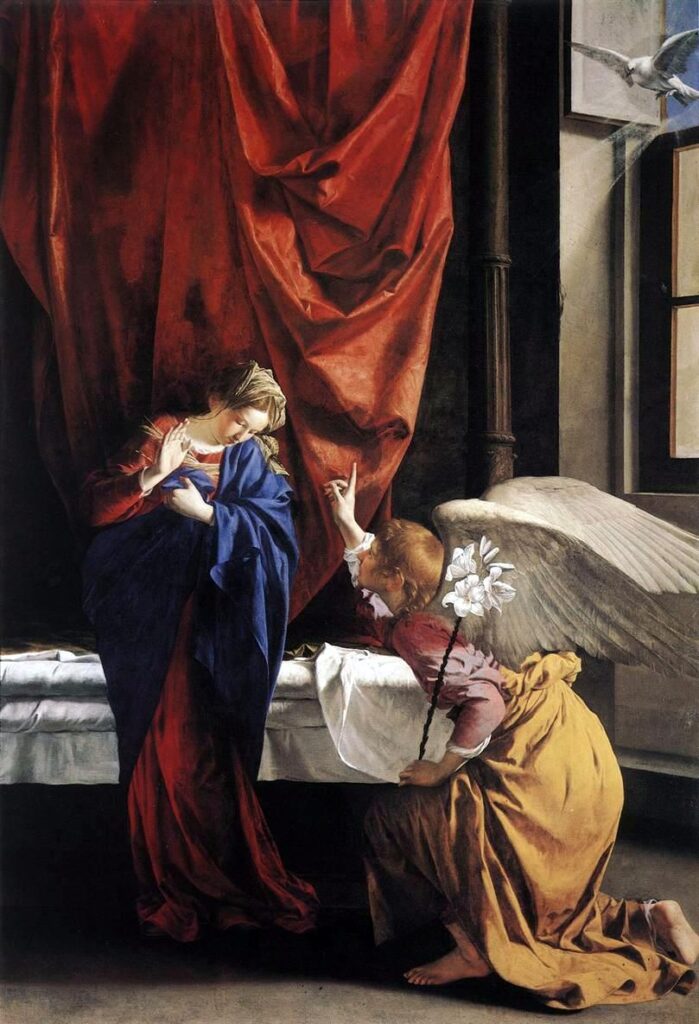
One of the highlights of the exhibition is The Annunciation, painted in 1623 for the Duke of Savoy. Many critics consider it one of Orazio’s finest achievements, a painting that brings together quiet drama, careful light, and elegant color. The canvas also has a storied past. It once left Italy during the Napoleonic campaigns and was taken to France. The painting was returned only in 1815 and 1816 after the fall of Napoleon.
Turin offers a rare opportunity to see Gentileschi’s works in a single setting and to follow his career as a painter who moved across Europe with remarkable adaptability.
The exhibition catalog is expected by the end of December 2025
Vecchietta
Santa Maria della Scala, Siena
October 25, 2025 to March 29, 2026
Santa Maria della Scala in Siena presents a newly arranged exhibition devoted to Lorenzo di Pietro, known as Vecchietta, an artist who shaped much of the city’s visual identity in the fifteenth century. Several galleries of the museum have been rethought to show the full range of his work as a sculptor, painter, designer, and builder. The result brings Vecchietta back into focus as one of the key figures behind Siena’s artistic character.
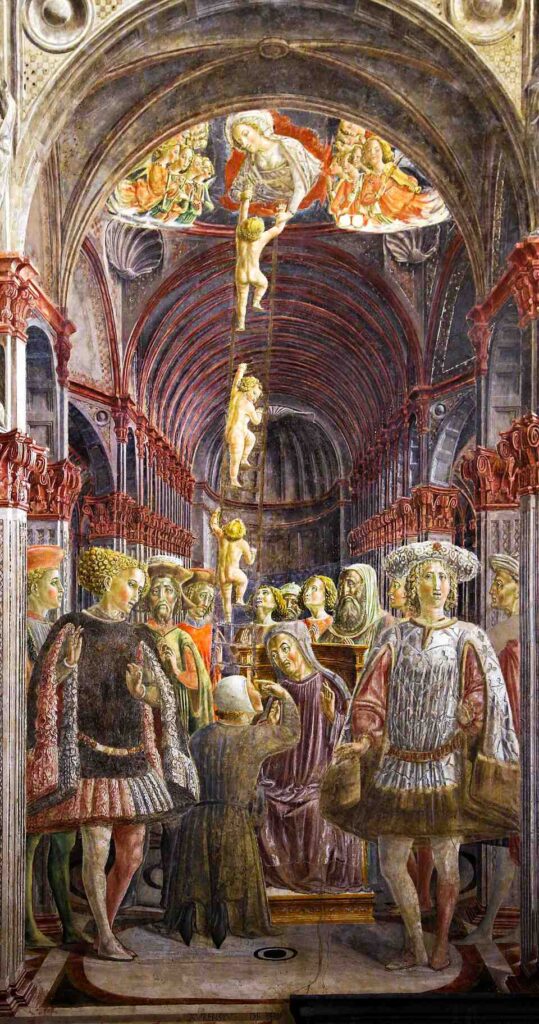
The exhibition moves through important spaces of the historic hospital complex, the Old Sacristy, and the chapel. Each room helps explain how Vecchietta worked across different media and how closely his ideas were tied to the architecture and the religious life of the site. His projects were not isolated commissions. They were part of a larger environment that shaped how the complex looked and functioned.
Many people associate Siena with earlier masters like Duccio or the Lorenzetti brothers. This exhibition shifts the focus forward in time and invites you to look at Vecchietta, who carried the city’s artistic language into the fifteenth century.
Santa Maria della Scala presents Vecchietta as an artist firmly rooted in Siena but open to new ideas. Spending time with this exhibition offers a quiet rediscovery of a figure whose work has been part of the city for centuries.
Jean-Baptiste Greuze: Childhood Illuminated
Petit Palais, Paris
September 16, 2025 to January 25, 2026
Petit Palais turns its attention to Jean-Baptiste Greuze, an artist whose scenes of childhood once defined sentimental painting in eighteenth-century France. The exhibition explores the way he used young figures to speak about morality, innocence, family, and social expectation. Greuze treated childhood not as decoration but as a subject that revealed the hopes and anxieties of his time.
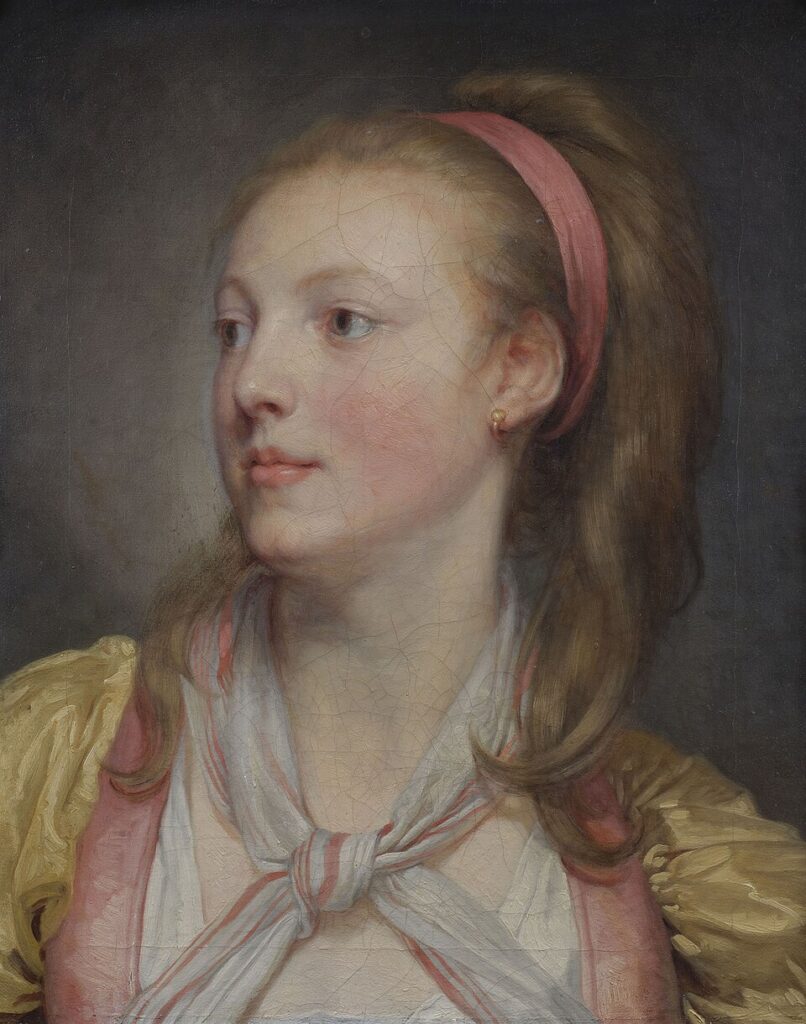
The galleries bring together paintings, drawings, and small studies that show how carefully he shaped expression and gesture. Many of these works were widely reproduced in engravings during his lifetime, which helped build his reputation far beyond Paris. The exhibition also looks at how Enlightenment ideas influenced Greuze and shaped his approach to education, emotion, and domestic life.
Petit Palais presents a painter whose name once carried enormous weight and whose images of childhood still feel direct and disarming. The show offers a clear look at a period when sentiment and social commentary shared the same canvas.
Jean-Baptiste Greuze: L’Enfance en lumière / Jean-Baptiste Greuze: Childhood Illuminated
Philip Guston. The Irony of History
Musée National Picasso–Paris
October 14, 2025 to March 1, 2026
Musée Picasso–Paris presents a concentrated look at the late work of Philip Guston through the exhibition The Irony of History. The show brings together about seventy-five pieces, including paintings, drawings, prints, and a short film, to explore how Guston rebuilt his approach to figuration in the last decades of his career.
A central part of the exhibition examines his series inspired by Philip Roth’s satirical novel Our Gang. These works reveal Guston’s willingness to engage with difficult themes, including the failures of political power, the distortion of public life, and the burden of complicity. The images are plainspoken and unsettling, carrying both humor and unease.
Showing this material inside a museum dedicated to Picasso adds a quiet layer of dialogue. Both artists reinvented themselves more than once, and both understood painting as a field where history, irony, and responsibility meet.
The Empire of Sleep
Musée Marmottan Monet, Paris
October 9, 2025 to March 1, 2026
Sleepwalkers, night demons, tangled sheets, those just waking and those who will never wake again. The Musée Marmottan Monet opens the doors to The Empire of Sleep, one of the most evocative exhibitions of the season.
About one hundred and thirty works come together here: paintings, sculptures, works on paper, objects, and scientific documents. They arrive from private collections and major French and international institutions. Most of the exhibition focuses on art from 1800 to 1920, presented alongside key pieces from antiquity, the Middle Ages, and later periods to show how different eras imagined sleep.
The exhibition unfolds across eight thematic sections, from “Sweet Sleep” and “The Gates of Dreams” to “Troubled Sleep.” Each section creates its own mood and gradually leads you through the emotional and symbolic landscape of sleep, from quiet rest to uneasy visions.
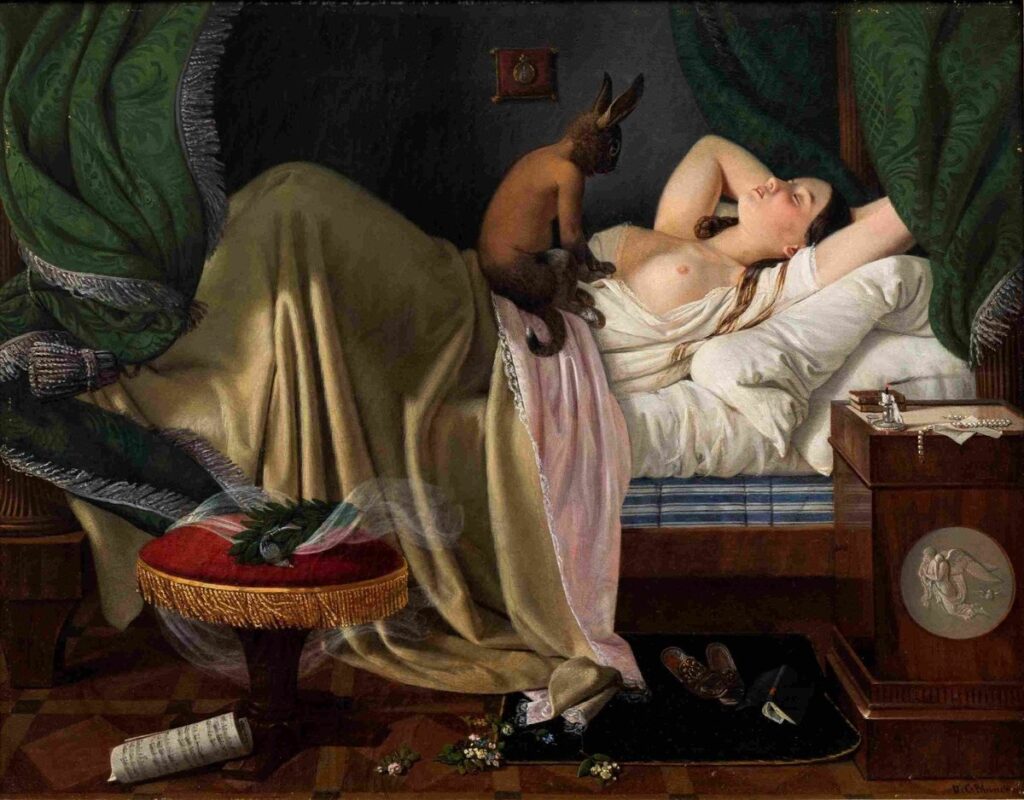
A highlight connects directly to a topic we explored in our separate post about incubi. The show includes Ditlev Blunck’s interpretation of the incubus from The Nightmare, inspired by Fuseli’s famous composition. It adds a special twist for anyone interested in the darker side of dream imagery.
In our view, The Empire of Sleep stands among the top five exhibitions of the fall season. It is clear, thoughtful, and absorbing, and it invites you to stay longer than you expect.
The Pazzi Conspiracy: Power, Violence and Art in Renaissance-Era Florence
Bode-Museum, Museumsinsel Berlin
October 24, 2025 to September 20, 2026
On April 26, 1478, Lorenzo and Giuliano de’ Medici entered the Duomo of Florence to attend Mass. A few minutes later, under the vaults of the cathedral, Giuliano lay dead and Lorenzo was fighting for his life. The Pazzi Conspiracy had erupted in the most dramatic way imaginable and opened one of the darkest chapters in Italian history.
Building on this moment, the Bode-Museum presents a wide-ranging exhibition that looks beyond the attack itself. The show traces the networks of power behind the plot, the violence that followed, and the visual language that shaped Florence in the late fifteenth century. Sculpture, painting, medals, manuscripts, and architectural fragments appear throughout the galleries to reveal how the city expressed loyalty, fear, and authority.
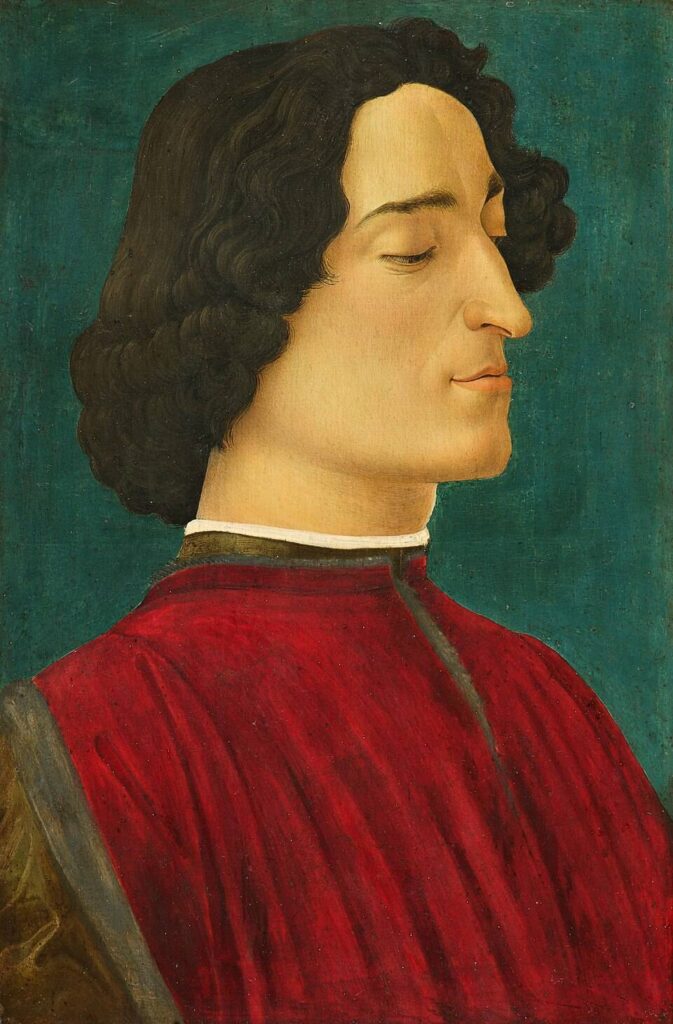
Many works come from the museum’s own collection, known for its remarkable holdings of Italian Renaissance sculpture. Additional loans expand the picture and help explain how political messages moved through public and private spaces at the time.
Rather than turning the story into pure drama, the museum examines how images supported or challenged political power. The result is a clear view of a moment when art and violence were tightly connected and when the lines between devotion, propaganda, and civic pride often blurred.
Magritte: The Line of Life
KMSKA, Antwerp
November 15, 2025 to February 22, 2026
Royal Museum of Fine Arts, Antwerp presents a focused exhibition built around La Ligne de Vie (The Line of Life), the lecture René Magritte delivered in 1938, but the real surprise here is the selection of works. The museum sets aside the usual lineup of icons and brings together rare paintings from private collections, pieces that seldom appear in public. The result feels fresh even if you think you already know Magritte’s world.
You step inside expecting the familiar vocabulary of clouds, leaves, apples, pipes, and bowler hats. Instead you find images that unsettle your sense of what you thought you understood. Ordinary objects shift, surfaces open, and the logic of the picture slips away just when you think it is clear. The experience has the sharpness of a first encounter.
Leaving the galleries you feel that moment of disorientation that Magritte loved to provoke. The paintings seem simple at first glance, but they hold on to their secrets. Antwerp offers a rare chance to see the artist through works that are usually hidden from view.
Renoir Drawings
The Morgan Library & Museum, New York
October 17, 2025 to February 8, 2026
The Morgan Library & Museum presents a focused look at Pierre-Auguste Renoir’s drawings, watercolors, and pastels, a part of his work that is often overshadowed by the radiance of his paintings. The exhibition brings together more than one hundred works on paper and a select group of paintings. Together they show how closely he observed faces, interiors, and quiet gestures. Renoir treated drawing as a place to think, to test the movement of a hand or the curve of a figure before committing it to canvas.
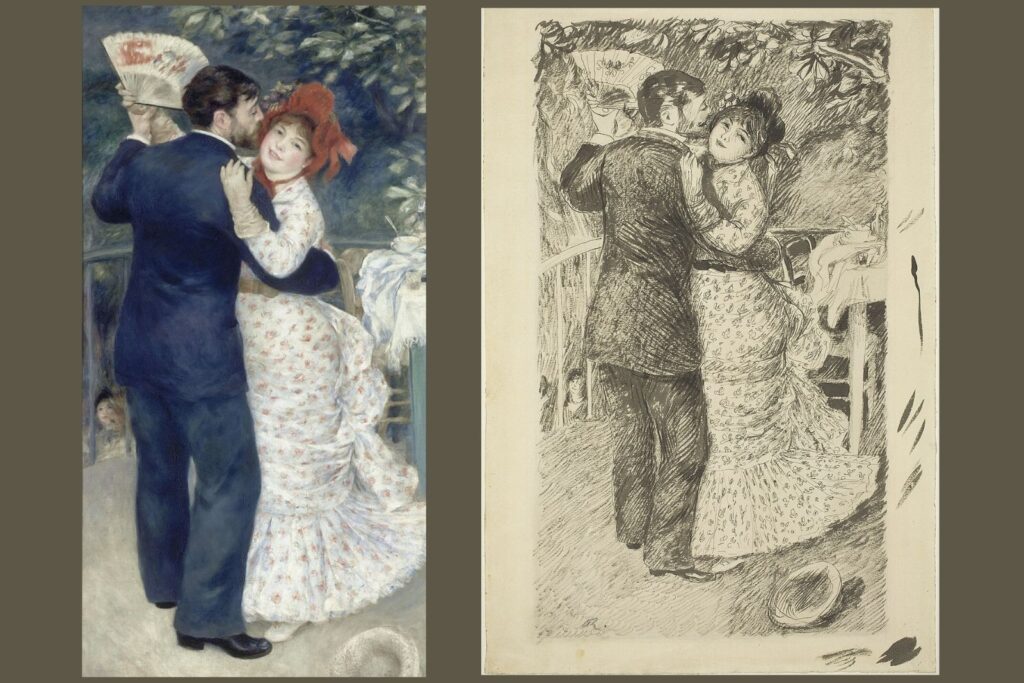
Dance in the Country.1883. Pierre Auguste Renoir. National Gallery of Art, Washington DC. Public Domain
The show makes it clear how much time he spent working through ideas in this medium. Many sheets carry a directness and intimacy that feel different from the polished images he is known for. It is a calm and thoughtful presentation that offers a fresh sense of how he built his visual language from line and tone. It is the first exhibition in a century to examine Renoir’s work on paper with this level of depth.
Poetic Portraits: Allegory and Identity in Sixteenth-Century Europe
The Timken Museum of Art, San Diego, California
November 5, 2025 to March 29, 2026
The Timken Museum examines the way allegory shaped portraiture in the sixteenth century. The exhibition brings together works in which identity is constructed through symbols, attributes, and narrative detail rather than straightforward likeness. Figures appear as virtues, seasons, mythological beings, or moral examples, and the portraits often carry layers of meaning that speak to the ambitions and anxieties of the time.
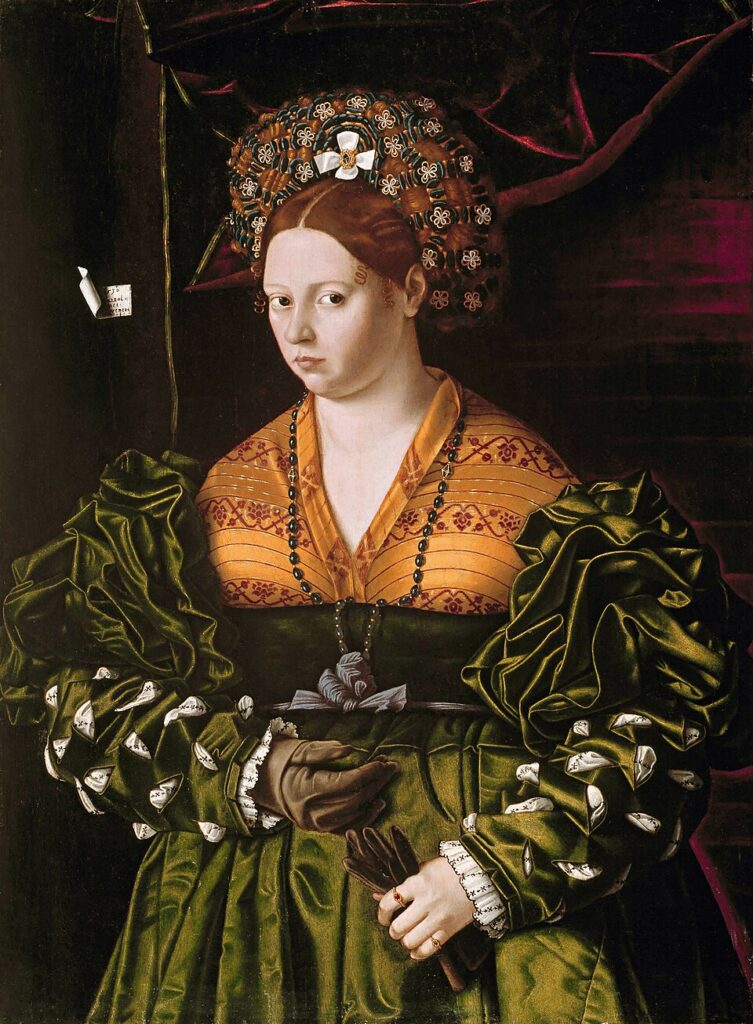
Instead of presenting allegory as a dry academic category, the show treats it as a living language. The works reveal how artists played with costume, props, and setting to create images that are both personal and theatrical. The Timken’s focused selection gives the subject a clear frame and invites you to slow down and look for the clues that unlock each portrayal.
The Honest Eye: Camille Pissarro’s Impressionism
Denver Art Museum
October 26, 2025 to February 8, 2026
Denver Art Museum explores the work of Camille Pissarro through the idea of the “honest eye,” a phrase often used to describe his approach to observation. Instead of chasing spectacle, Pissarro paid close attention to ordinary life. Rural paths, working fields, small gatherings, and city streets appear in his paintings with a quiet steadiness that became central to Impressionism.
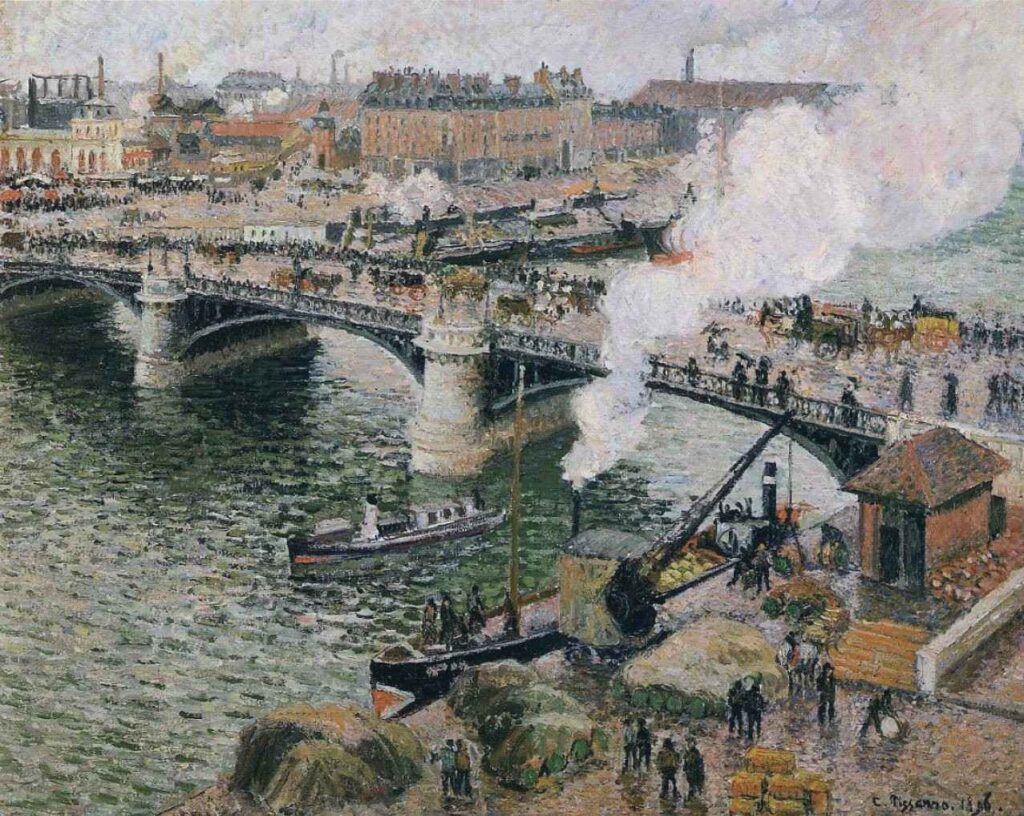
More than one hundred works from museums and private collections are on view, making this the first large-scale presentation of Pissarro’s art in the United States in almost fifty years. The selection spans different stages of his career and shows how consistently he looked at the world with patience and clarity.
Pissarro emerges not only as a founding figure of the movement but also as an artist who shaped it through commitment rather than provocation. The exhibition highlights a painter who understood the value of looking closely at what is directly in front of you.
Grandma Moses
Smithsonian American Art Museum, Washington, D.C.
November 25, 2025 to July 12, 2026**
The exhibition we had been waiting for, delayed by the federal shutdown, has finally opened its doors. Grandma Moses welcomes you into her warm and quietly remarkable world of rural life.
Smithsonian American Art Museum presents a fresh look at Grandma Moses, one of the most recognizable figures in American folk art. The exhibition traces the arc of her career and the way she built images of rural life from memory, imagination, and long-held community traditions. Her work is direct and clear, with scenes that seem simple at first but grow richer the longer you spend with them.
The show places her paintings alongside archival material, photographs, and early works that help explain how she developed her style later in life. What emerges is a portrait of an artist who followed her own path and built a vocabulary that feels both personal and unmistakably American. This exhibition also reflects renewed interest in Moses after the delays caused by the federal shutdown, making the reopening especially welcome.
November weather may be gloomy, but spirits do not have to follow. December is already on the horizon, and it promises its own kind of magic: mystical animals, brilliant women artists from different centuries, and a season of exhibitions that feels bright even when the days are not.
And since November also brings Thanksgiving, consider this your gentle reminder to take a break, eat something delicious, and be grateful for museums that stay warm, well-lit, and open no matter what the sky is doing outside.
If you want to keep up with major museum openings, exhibition catalogs, and art highlights throughout the year, follow our monthly guides. We update each post as museums announce new works, extended dates, and catalog releases.
Exhibition calendar
27 Mar 2026
A Guide to Major European Art Exhibitions in 2026
This year is shaping up to be an especially engaging and curious museum season…
Art news
03 Oct 2025
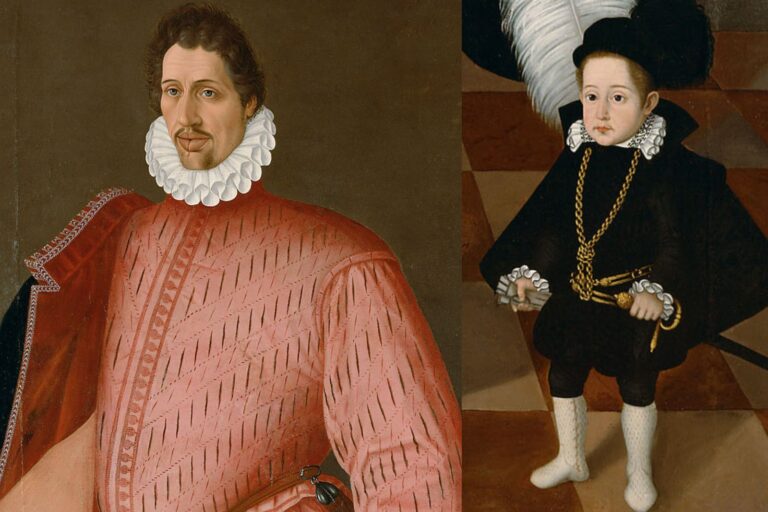
Double Portrait of a Giant and a Dwarf
“Dwarfs” and “giants” were long seen as curiosities of nature. In the Middle Ages…
Exhibition highlights
10 Jun 2026
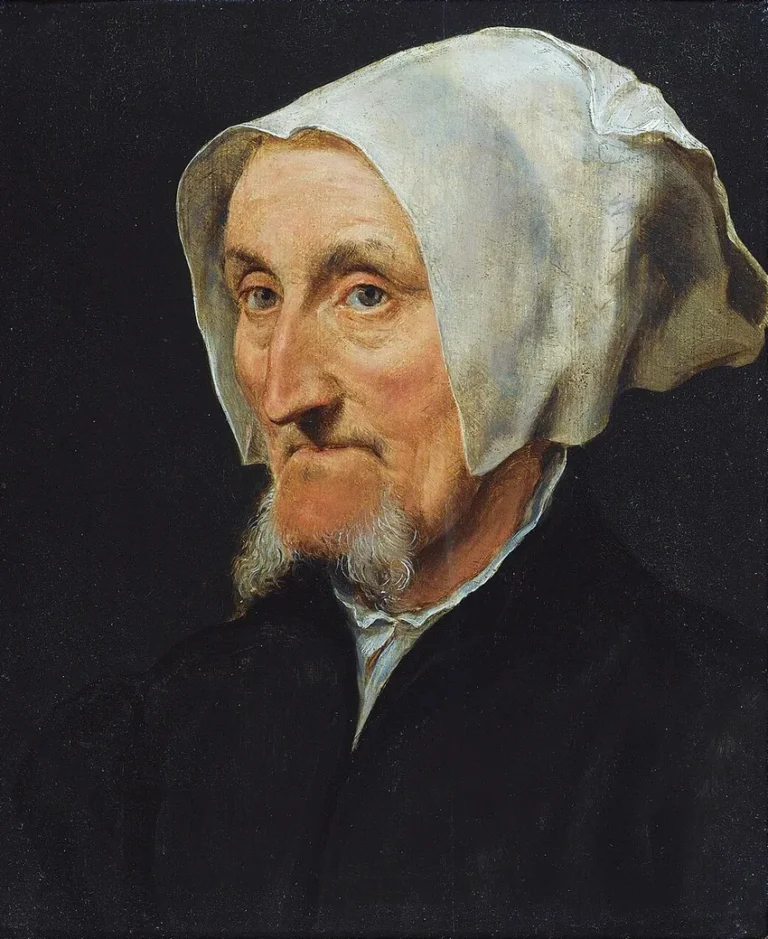
The Mysteries of the Bearded Woman’s Portrait
Through June 14, Brussels is hosting Bellezza e bruttezza, an exhibition exploring ideas of…
Best catalogs

100 Masterworks: Spanish Royal Collections
$65.00

A Renaissance Treasury: The Schroder Collection at the Holburne Museum
$57.00
Across a Rural Skyline: The Art of Andrea Kowch
$95.00

Biedermeier: The Rise of an Era
$50.00
Books of Hours, Books of Hope: Medieval Books of Hours and Their Readers
$45.00
Caspar David Friedrich : Art for a New Age
$46.00
Surreal on Paper
$44.00