

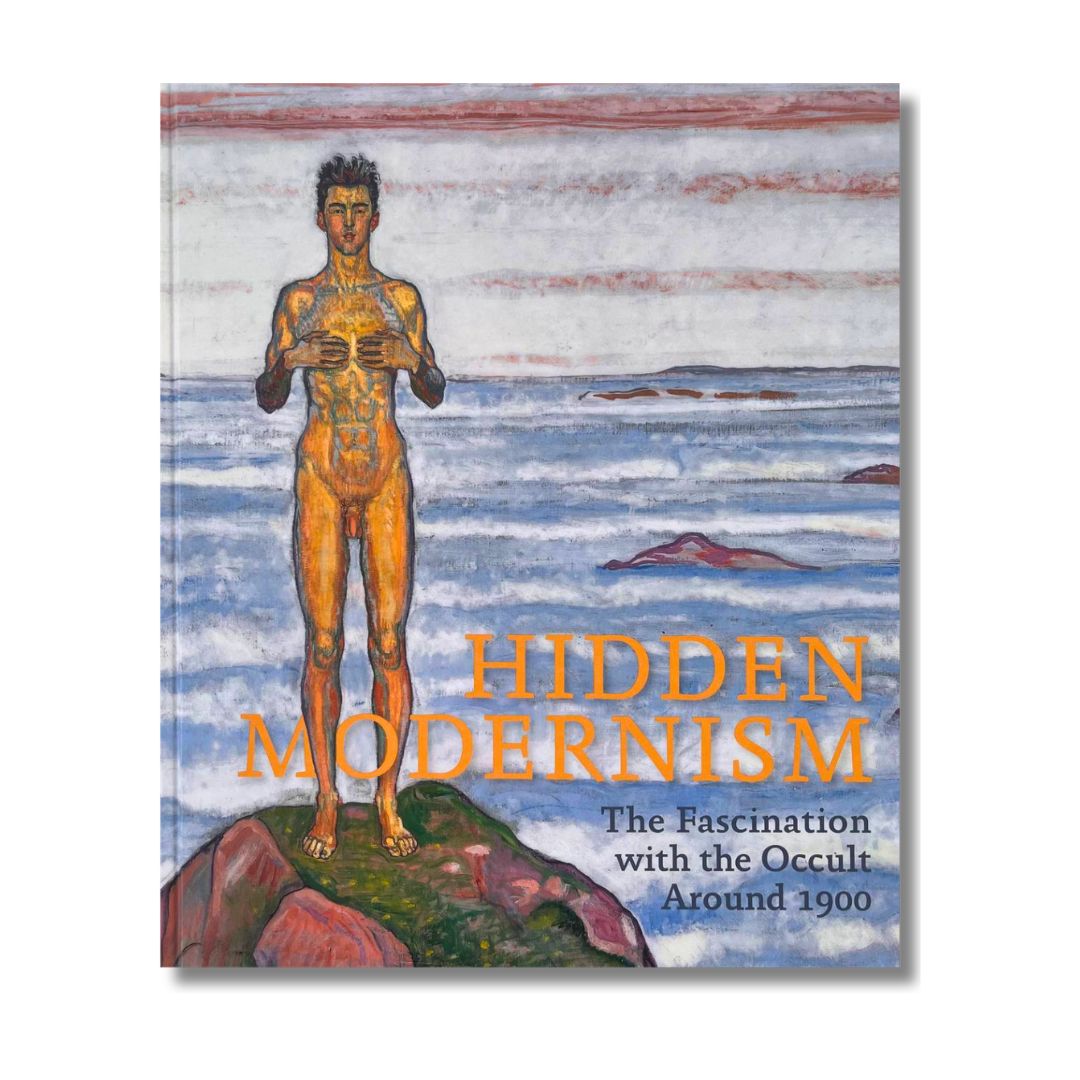
This richly illustrated volume explores a lesser-known but deeply influential dimension of early modern art: its engagement with occult thought, mysticism, and alternative spiritual systems at the turn of the twentieth century. Moving beyond traditional narratives of modernism as purely rational or formal, the catalog reveals a parallel search for meaning rooted in the unseen and the metaphysical.
Focusing on the cultural climate around 1900, the publication brings together artists, writers, and thinkers who were shaped by esotericism, theosophy, and new interpretations of Eastern philosophy. Figures associated with the Vienna Secession and beyond emerge within a network of ideas that connected art to spiritual transformation, from Wagnerian Gesamtkunstwerk ideals to Symbolist visions of the “new human.”
The catalog situates key artists within this intellectual landscape, tracing how occult beliefs informed artistic practice, iconography, and the emergence of abstraction. It highlights the role of visionary experiences, dream imagery, and alternative states of consciousness in shaping modern art, offering a compelling reinterpretation of its origins.
Balancing scholarly insight with visual richness, this publication is both a critical study and a collectible volume for anyone interested in the hidden currents that shaped modernism—where art, mysticism, and philosophy converge in unexpected and often unsettling ways



Reviews
There are no reviews yet.