

Jungle, Revolution, and Hidden Modernism: Art Exhibitions We Choose This Autumn
October is traditionally the month when museums unveil their headline exhibitions, and this year is no exception. The fall art calendar is already heating up. In Florence, the Fra Angelico exhibition attracted more than 10,000 visitors in its first week. Italy seems determined to keep the momentum going, with several more major shows opening this month. But the French may steal the spotlight with their monumental Jacques-Louis David retrospective at the Louvre. Beyond these headline acts, we’ve gathered a selection of equally remarkable exhibitions across Europe and North America, each one worth adding to your autumn itinerary.

Boccaccio Boccaccino
Italy / Diocesan Museum of Cremona
October 10, 2025 – January 11, 2026
Balancing the traditions of the Ferrarese school with the emerging light of Venetian painting, Boccaccio Boccaccino holds a quiet yet significant place in the story of the Italian Renaissance. Behind the composed elegance of his altarpieces lies a darker tale. Rumor has it that the painter, consumed by jealousy, killed his wife after discovering her infidelity. From that turmoil emerged one of the most enigmatic images of the period: the haunting Zingarella, or “little gypsy.”
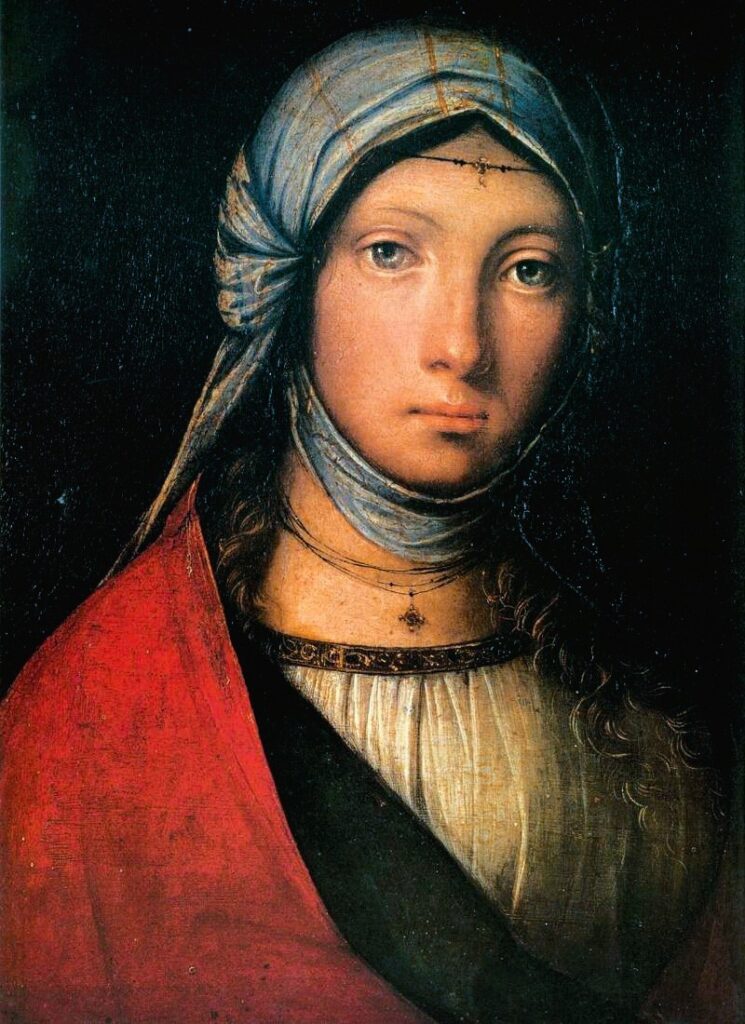
The story, whether true or not, feels almost too fitting for an artist whose portraits seem to live on the edge between tenderness and unease.
Historians are still debating the identity of the woman in this mysterious portrait. Over the centuries she has been named Beatrice d’Este or Barbara Pallavicino, a noblewoman from Cremona. Others see her as an allegory of the “exotic other,” or perhaps as a reflection of the artist’s own guilt and longing.
What makes the mystery deeper is how little of Boccaccino’s work survives today. Most of his early paintings are lost or remain unidentified. This exhibition gathers around twenty works now confidently attributed to him, offering a rare chance to follow the evolution of a painter whose art captures the Renaissance’s shifting ideals of beauty and emotion. It is also an invitation to stand face to face with a portrait that still refuses to give up its secrets.
Leonora Carrington
Italy / Palazzo Reale, Milan
Until January 11, 2026
Surrealism continues to march across the globe as it celebrates its centenary, and this autumn the spotlight turns to one of its most distinctive voices: Leonora Carrington. Born in northern England to an Irish mother, she grew up surrounded by Celtic legends and ghost stories. Her early years took her between Florence and London, where she studied art before entering the orbit of the Surrealists.
Her life soon became as turbulent as the dreamlike worlds she painted. After falling in love with Max Ernst and joining the Surrealist circle in Paris, she endured his arrest, several breakdowns, and confinement in a psychiatric clinic during the war. She later escaped, crossed Europe, and finally settled in Mexico, where she created her most powerful paintings and her darkly humorous writings. It is impossible to imagine such a fractured life leaving no trace on her art. Carrington’s surrealism became both refuge and reckoning, a place where trauma, myth, and imagination merge into one.
For the first time in Italy, a major retrospective of Carrington’s work presents more than sixty paintings, drawings, and sculptures at Palazzo Reale. The exhibition follows naturally from the acclaimed Leonor Fini show recently held in the same space, creating a dialogue between two of surrealism’s most visionary women. After its debut in Milan, the exhibition will travel to Paris, extending Carrington’s centenary celebration to the city where her surrealist journey first began.
Painting on Stone: Where Art Meets Nature
Italy / Accademia Carrara, Bergamo
Until January 2026
In the late 1500s, Italian artists began experimenting with an unusual surface: stone. Instead of canvas or wood, they painted on polished slabs of marble, slate, alabaster, onyx, and jasper, allowing the natural color and texture of the material to become part of the image. A dark piece of slate could serve as a ready-made night sky, while pale marble suggested luminous skin or soft light. The stone was not just a background; it shaped the composition itself.
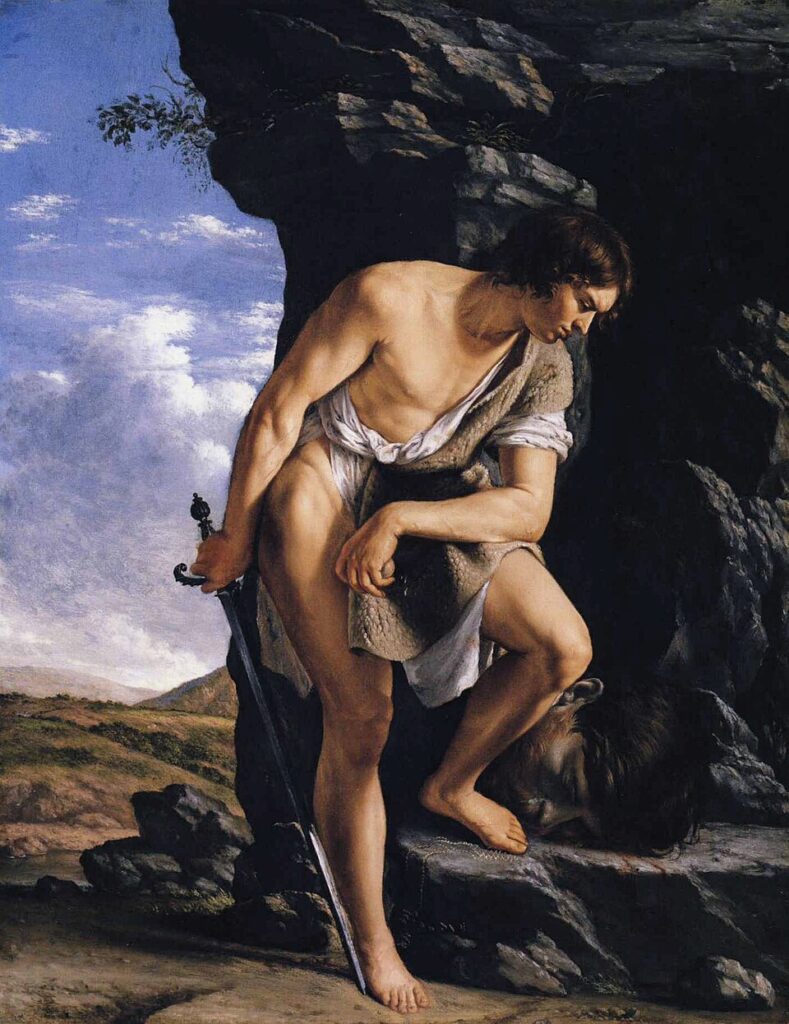
Painting on stone quickly gained popularity among collectors and religious patrons. Works created this way were durable, visually striking, and blurred the line between painting and sculpture. The new exhibition at Accademia Carrara in Bergamo explores this fascinating technique through more than sixty works from Italian and European collections. Visitors will find devotional scenes, mythological subjects, and landscapes painted directly onto stone by artists such as Paolo Veronese, Jacopo Bassano, Palma il Giovane, Antonio Tempesta, and Orazio Gentileschi.
Exhibitions like this are rare, since these fragile works seldom travel. If you happen to be in Italy this season, make sure to add it to your list of museum visits. And if a trip is not in the cards, we are always happy to offer you the exhibition catalog instead.
The exhibition catalog is expected by mid-December
Jacques-Louis David
France / Louvre, Paris
Until January 26, 2026
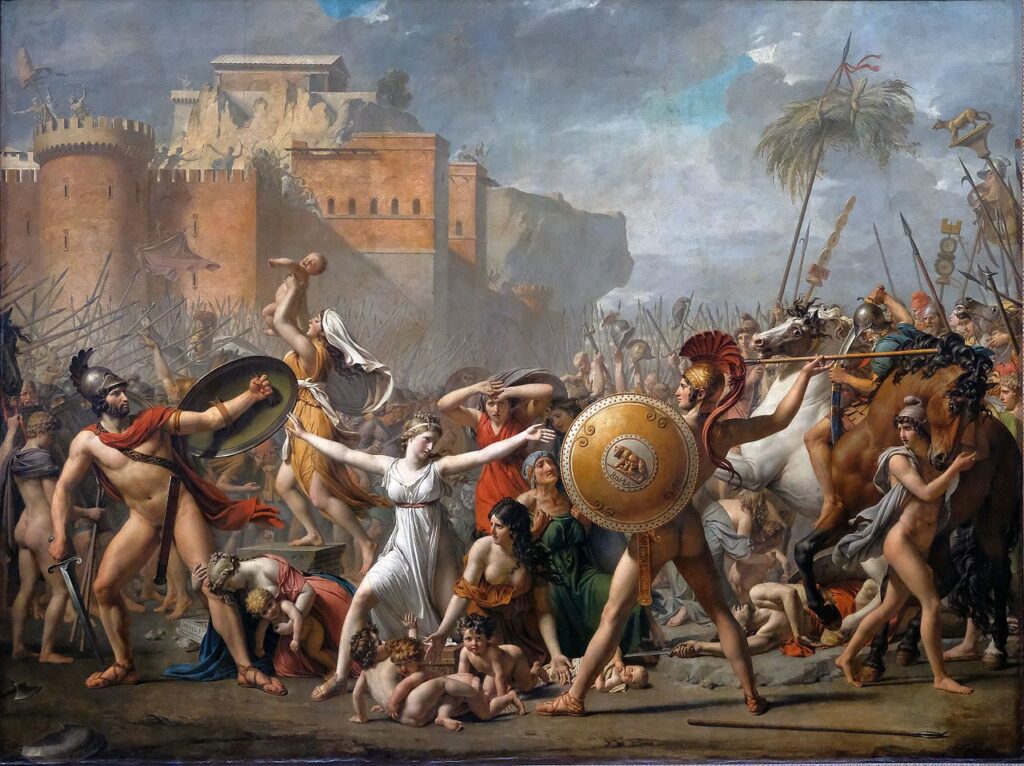
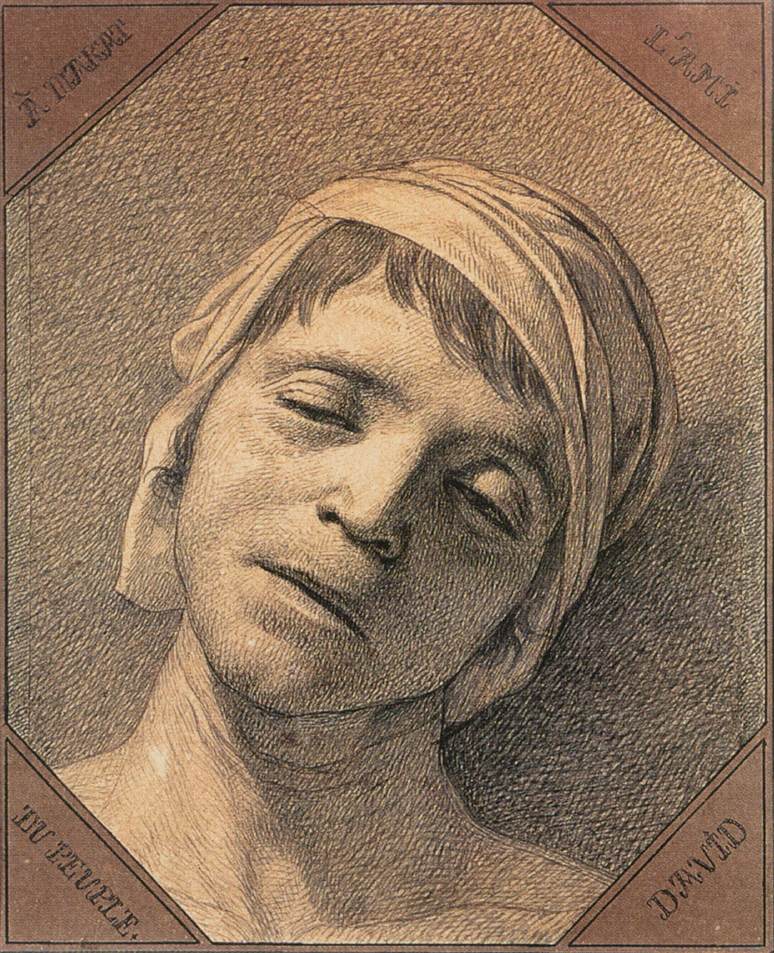
The Louvre’s new exhibition devoted to Jacques-Louis David is truly a landmark event. It is the first retrospective of this scale in more than thirty-five years, featuring about one hundred works, including paintings, drawings, and archival materials that trace the full span of his extraordinary career. The show offers a rare chance to follow David’s artistic and political evolution in depth. One of its highlights is the reunion of all three known versions of The Death of Marat, two from French collections and one from Brussels, shown together for the first time.
David was more than a painter of neoclassical ideals. He was a political figure deeply involved in the revolutionary upheavals of his time. A dedicated Jacobin, he joined the radical faction of the French Revolution, voted for the execution of King Louis XVI, and became the Revolution’s unofficial visual propagandist. His most famous painting, The Death of Marat (1793), was not simply a tribute to a fallen friend but a political image that turned the murdered journalist Jean-Paul Marat into a martyr through the language of Christian art.
After the fall of the Jacobins, David reinvented himself as the official painter of Napoleon Bonaparte, glorifying the new regime in monumental works such as The Coronation of Napoleon. Following the Bourbon Restoration, he went into exile in Brussels, where he continued to paint and teach until his death.
This exhibition follows that extraordinary journey, revealing David as both artist and ideologue and showing how his work helped define how history would be seen for generations to come.
Paolo Troubetzkoy
France / Musée d’Orsay, Paris
Until January 11, 2026
Even if you are not a devoted admirer of sculpture, there is something about Paolo Troubetzkoy’s work that makes you slow down and look closer. His small-scale figures of people and animals seem to move and breathe, as if caught in a fleeting moment. Born into a Russian aristocratic family, trained in Italy, and later active in Paris and the United States, Troubetzkoy rejected strict academic traditions in favor of a freer, more impressionistic approach to modeling. His bronzes capture gesture, light, and character with remarkable spontaneity, turning metal into something that feels alive.
The exhibition gathers works from across his international career. Portraits of writers, politicians, and actors appear alongside dynamic animal figures and intimate studies, revealing a sculptor who understood movement better than many painters. This show invites visitors to see sculpture not as a heavy, static art form but as something filled with motion and emotion.
The exhibition catalog is expected by mid-December
Michaelina Wautier: Painter
Austria / Kunsthistorisches Museum, Vienna
February 22, 2026
This exhibition is Austria’s art event of the year and tells a story of rediscovery that’s almost hard to believe. For more than three centuries, Michaelina Wautier was nearly erased from history. Her paintings were misattributed, confused with works by other women artists of the period, and most often mistaken for those of her brother, Charles. As a result, one of the most original and intellectually daring painters of the Baroque era simply disappeared from view.
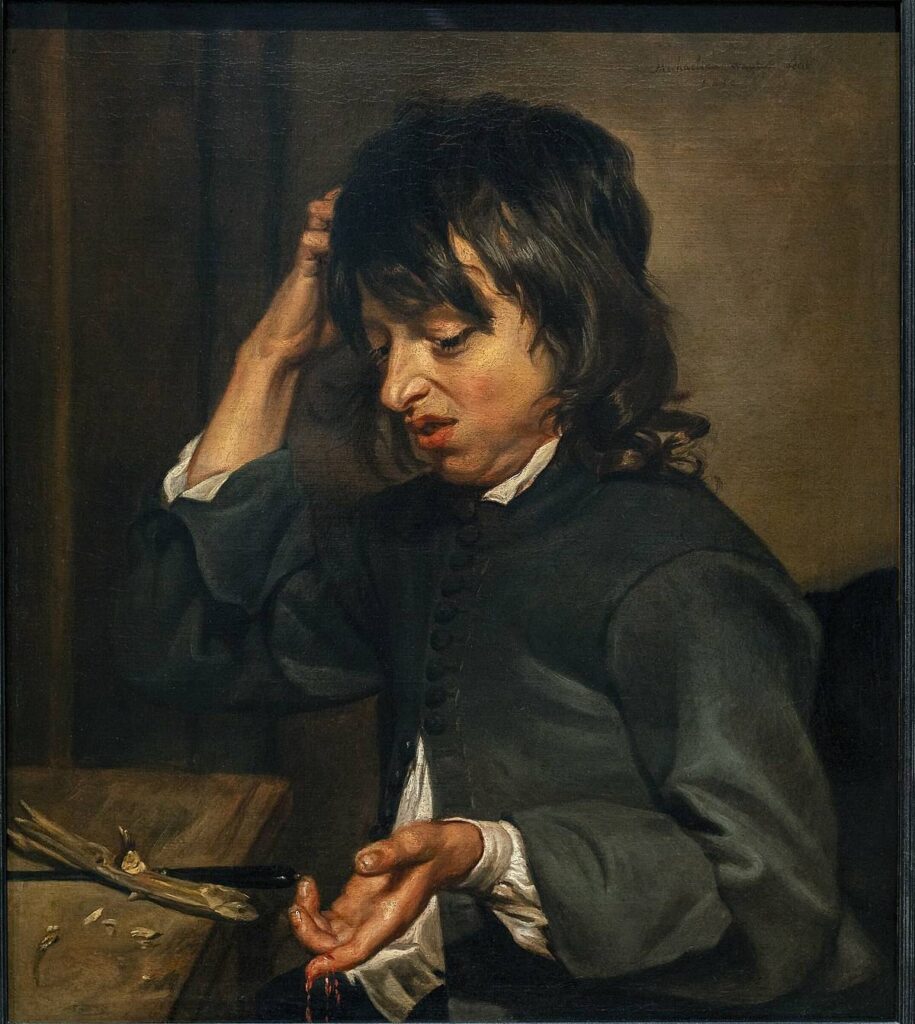

Her name started to surface again in the twenty-first century. Her first solo exhibition was held in 2018, but the real breakthrough came in 2020, when a group of American collectors acquired her extraordinary series The Five Senses and placed it on long-term loan to the Museum of Fine Arts in Boston.
Her return feels less like a discovery and more like a long-overdue correction. How such a brilliant and bold talent could remain invisible for three hundred years is anyone’s guess. At least we can be grateful it didn’t take another century to find her again.
The retrospective at the Kunsthistorisches Museum is more than an exhibition; it’s a full reintroduction of a forgotten master. All of Wautier’s known works are on view, including new attributions and recent discoveries. Among them is the monumental Triumph of Bacchus, long hidden in the museum’s archives without attribution, now recognized as her own and believed to include a subtle self-portrait among the male figures.
Occult. Hidden Modernism
Austria / Leopold Museum, Vienna
until January 18, 2026
Not all modernism was born in the light of reason and industrial progress. Some of its most intriguing forms took shape in the shadows, where art met mysticism, esotericism, and alternative spiritual practice. This exhibition uncovers that lesser-known side of modern art, showing how artists from the 1860s to the 1930s searched for meaning beyond the material world.
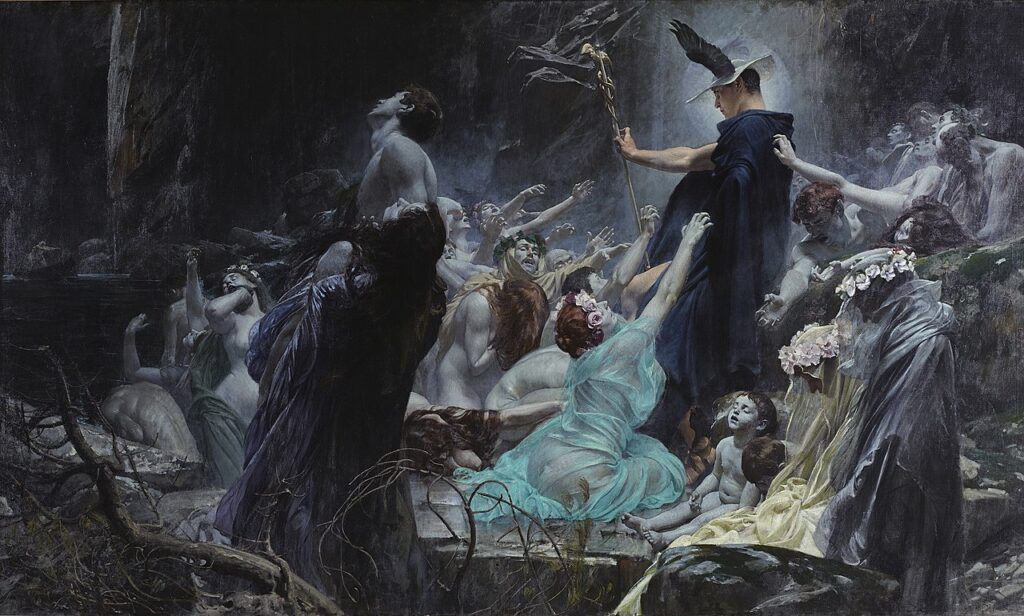
The show brings together about 180 works by 85 artists, along with photographs, manuscripts, books, posters, and even unexpected objects such as gym equipment and clothing. Organized thematically, it traces how occult symbolism, Theosophy, astrology, and metaphysical thought shaped the look and language of early modernism. It is a reminder that modern art was not only about progress and innovation. It also had a hidden life that thrived in seances, spiritual circles, and the pursuit of unseen truths.
This side of modernism is rarely shown on such a scale, and exhibitions exploring its mystical dimension are few and far between. That is why this one feels so special. It is a rare chance to experience an entire chapter of art history that usually stays in the dark. And yes, we are eagerly waiting for the release of this exhibition catalog too.
The exhibition catalog is expected by mid-December
William Blake and His Contemporaries: The Marriage of Heaven and Hell
Hungary / Museum of Fine Arts, Budapest
Until January 11, 2026
Budapest presents one of the largest exhibitions of William Blake ever shown in Central Europe, featuring more than one hundred works. Nearly all his major masterpieces are on view, including the provocative image of Newton. Blake openly despised the rationalism of the Enlightenment. In this drawing, the great scientist sits naked among reefs and corals, compass in hand, reducing the universe to a single triangle. For Blake, the body and the spirit were inseparable, and that tension gives his engravings, watercolors, and illustrations their strange and magnetic power.
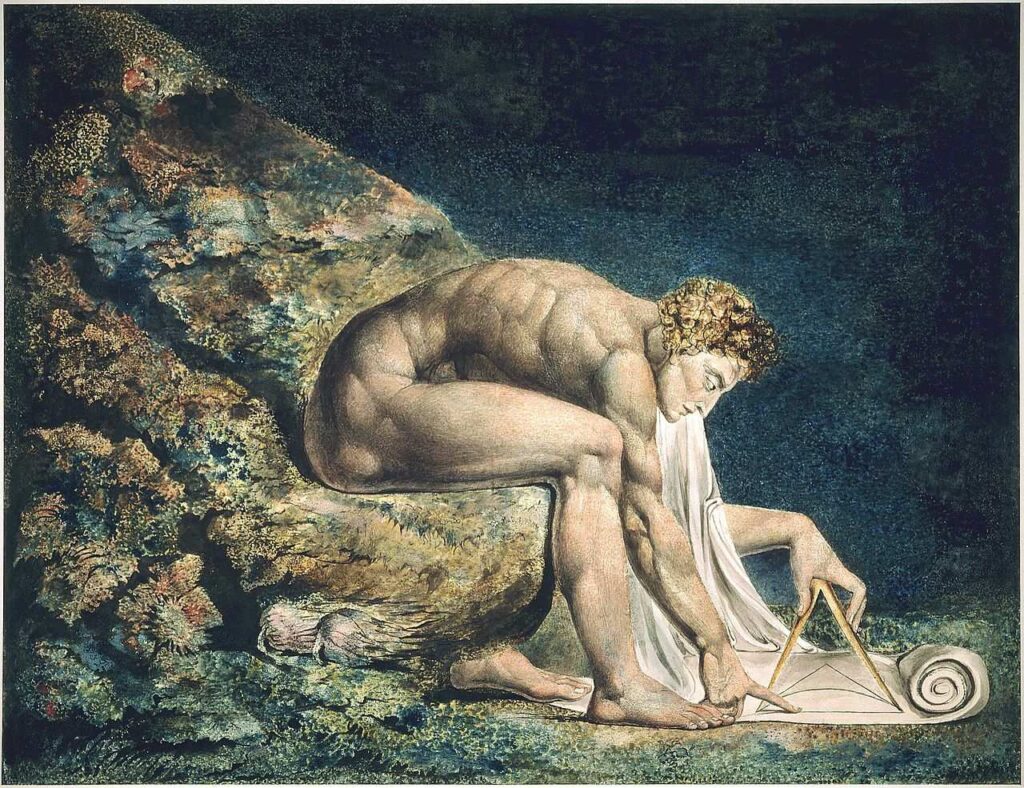
The exhibition places Blake’s art alongside paintings by his contemporaries, giving context to an artist who was both a product of his time and far ahead of it. Seeing so many of his works together is a rare experience. Since most of his pieces are works on paper, they are usually stored away, even in Britain. Encountering them here, in Budapest’s golden autumn, feels like a privilege.
And for those who want to explore even further, the Yale Center for British Art in New Haven is presenting highlights from its Blake collection through November 30. The display includes the only copy of his prophetic book Jerusalem fully hand-colored by the artist. A catalog dedicated to this collection is also available.
Max Ernst to Dorothea Tanning: Networks of Surrealism
Germany / Neue Nationalgalerie, Berlin
October 17, 2025 – March 1, 2026
Surrealism was never just a movement. It was a network of alliances, collaborations, and love stories. This autumn, Max Ernst and the women around him step into the spotlight as Surrealism marks its hundredth year. Earlier, we mentioned Leonora Carrington in Milan, who moved to Paris to join Ernst’s circle of dreamers. Dorothea Tanning, his final wife, completes what feels like a surrealist love triangle of exhibitions this month. But nothing about their tangled relationships takes away from the fact that each was a powerful and original voice in one of the most daring art movements of the twentieth century.
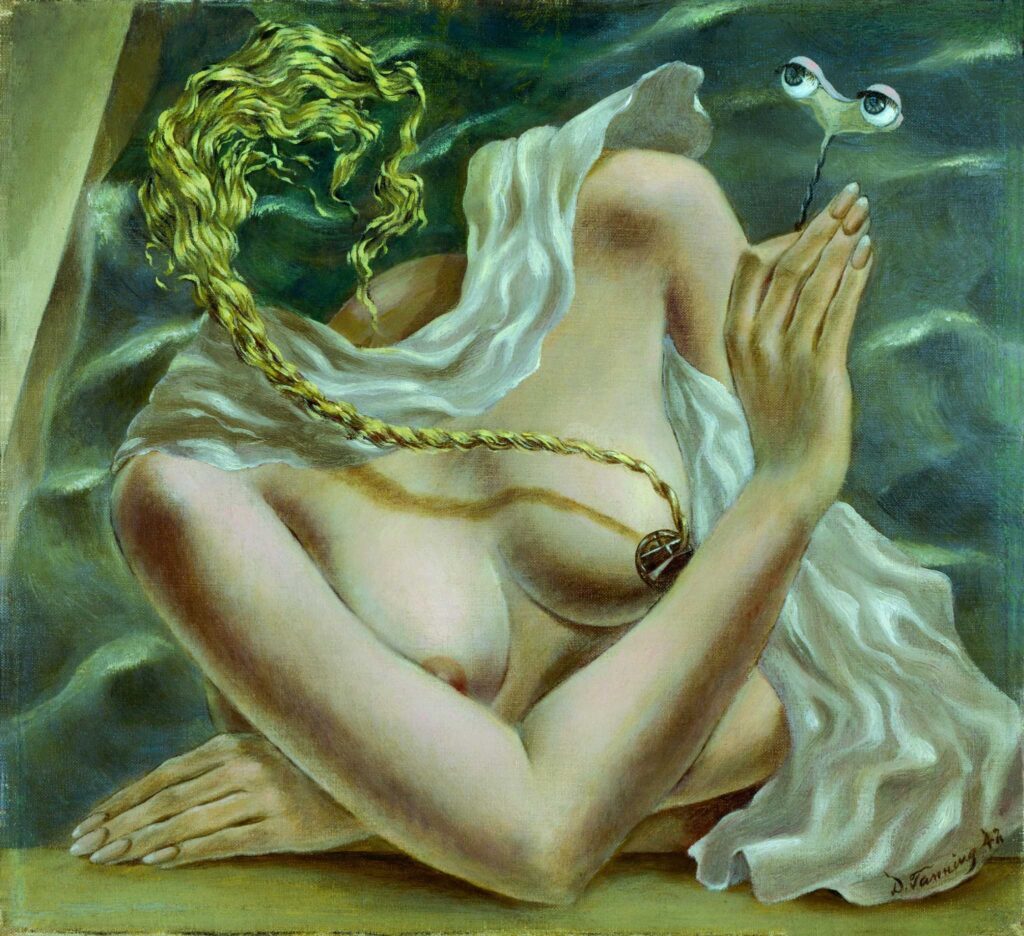
This exhibition is more than a retrospective. It traces how surrealist art evolved in the 1930s and 1940s and reveals how historical moments, personal ties, and creative communities helped the movement spread across the world. Built around the renowned Ulla and Heiner Pietzsch Collection, it features more than one hundred works, from paintings and sculptures to rarely seen archival materials.
While Ernst and Tanning naturally anchor the show, they are joined by many of the movement’s other visionaries – Leonora Carrington, Salvador Dalí, Leonor Fini, René Magritte, and Joan Miró among them.
The Potato
Netherlands / Noordbrabants Museum, Hertogenbosch
October 11, 2025 – February 11, 2026
Vincent van Gogh once found poetry in a potato. He called it “the peasant’s gold,” a symbol of honest labor and the earthy dignity of those who lived by the soil. Writing to his brother Theo, he said that peasants’ faces should have “the color of a dusty, unpeeled potato,” and that their lives should smell of “steam, smoke, and manure.”
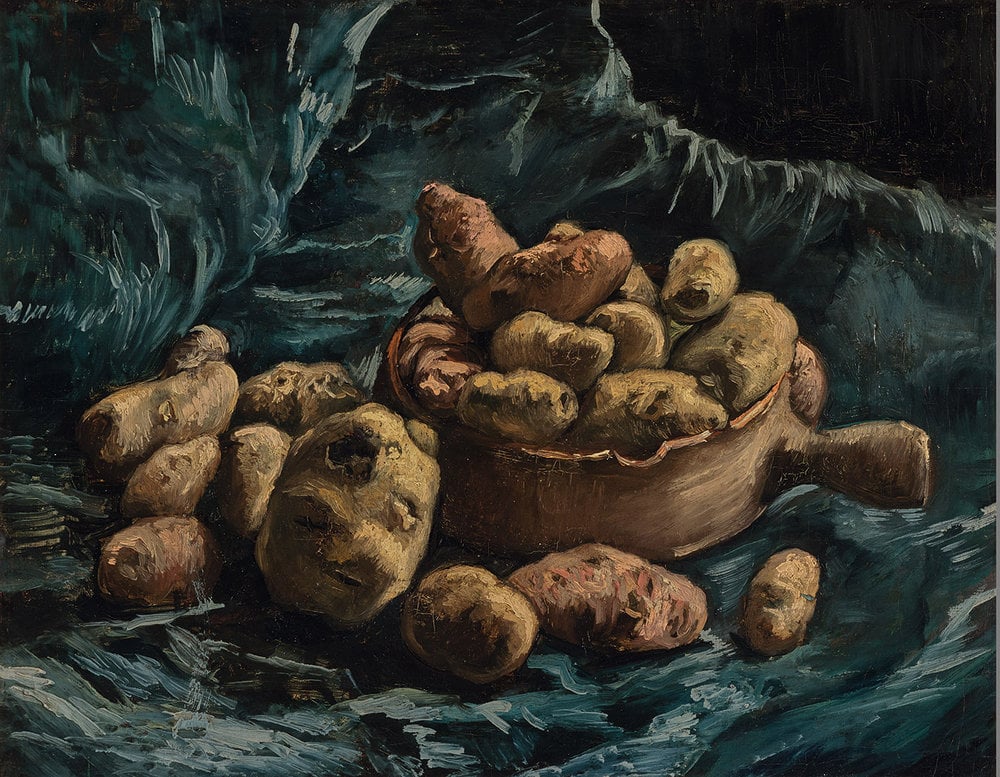
The exhibition The Potato at the Noordbrabants Museum celebrates this humble yet powerful motif. Marking 140 years since Van Gogh painted his early masterpiece The Potato Eaters in the village of Nuenen, the show explores how this rough little tuber inspired artists from the nineteenth and twentieth centuries alike. At its center is the museum’s latest treasure, Van Gogh’s Head of a Woman, a portrait of the farmer’s daughter Gordina de Groot, whose family, along with her, became the very subjects of The Potato Eaters.

Gordina’s story still holds a few mysteries. Rumors once suggested that Van Gogh’s relationship with her went beyond art, though most historians reject the idea. As with much in Van Gogh’s life, the truth is hard to pin down. What is certain is that this portrait, acquired in 2024 through a major crowdfunding campaign supported by more than 3,000 donors, now holds a special place among the artist’s Brabant works.
From Van Gogh’s earthy realism to the modern rediscovery of beauty in the everyday, this exhibition turns the potato into something close to sacred. Сould there be a better season than autumn to celebrate it?
Unforgettable: Women Artists from Antwerp to Amsterdam, 1600–1750
US/ National Museum of Women in the Arts, Washington D.C.
January 11, 2026
Between 1600 and 1750, women artists in the Low Countries (today’s Belgium and the Netherlands) played vital but often overlooked roles in shaping the region’s artistic life. The exhibition Unforgettable finally gives these artists the visibility they deserve.
The show brings together works by more than fifty artists, revealing a dazzling range of talent that flourished across painting, sculpture, botanical illustration, lacemaking, and paper-cutting. Among the featured names are Judith Leyster, Maria Sibylla Merian, Clara Peeters, Rachel Ruysch, Michaelina Wautier, Maria van Oosterwijck, Gesina ter Borch, and Anna Francisca de Bruyns, women who helped shape a visual culture every bit as rich and inventive as that of their male contemporaries.
Among the many unfamiliar yet remarkable names featured in this exhibition is Louise Hollandine, Princess Palatine, a royal who abandoned her Protestant family and fled to France, where she entered a convent and eventually became abbess of the Maubuisson Abbey. A gifted portraitist trained in the Dutch Baroque tradition, she painted with quiet precision and spiritual intensity. Her story reminds us how many women artists balanced faith, talent, and defiance in a world that rarely welcomed any of the three.
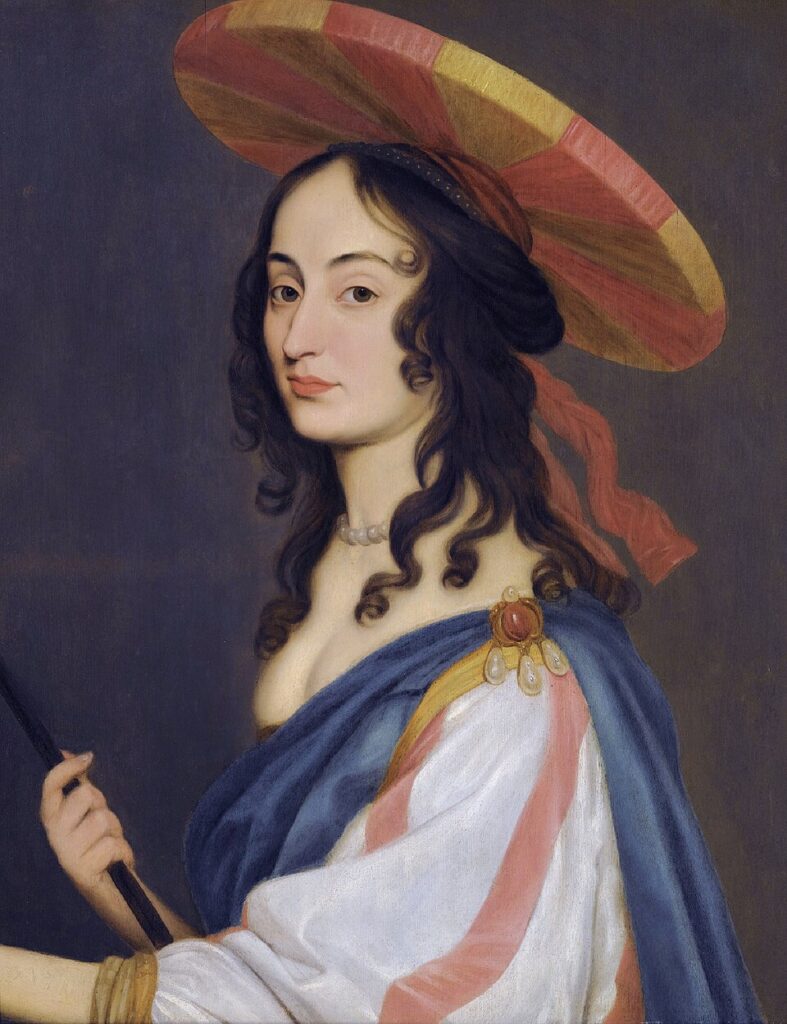
The exhibition restores these artists to their rightful place in art history and offers a broader, more inclusive view of early modern creativity in Northern Europe. The story doesn’t end in Washington, either. After its American debut, Unforgettable will travel to the Museum of Fine Arts (MSK) in Ghent, bringing this long-overdue recognition back to the region where it all began.
We also highly recommend the accompanying exhibition catalog. It is a richly researched volume that brings to light the works and lives of women artists you may never have heard of but who are absolutely worth knowing.
Unforgettable: Women Artists from Antwerp to Amsterdam, 1600–1750
Henri Rousseau
US /Barnes Foundation, Philadelphia
October 19, 2025 – February 22, 2026
🌿 Our Favorite
Do you love naive art as much as we do? Those dreamlike worlds where perspective wobbles, tigers leap from emerald jungles, and logic quietly takes a nap. Every country seems to have its own painter of innocence: Antonio Ligabue in Italy, Grandma Moses in America, and Henri Rousseau in France, as inimitable as ever.
A customs officer by day and a dreamer by night, Rousseau painted tropical jungles he never saw, parades of strange animals, and women as serene as saints. Self-taught and endlessly imaginative, he lived in poverty and died in near solitude, unrecognized by the public whose hearts he would later win. Long after his death, his art became a touchstone for the modern imagination, admired by Picasso, Kandinsky, and Frida Kahlo, who saw in him a kindred spirit.

The exhibition at the Barnes Foundation brings together paintings, drawings, and archival materials that illuminate his visionary world. The Barnes, already home to several key Rousseau works, expands that world through exceptional loans from European museums. After Philadelphia, the exhibition will travel to the Musée de l’Orangerie in Paris, a fitting homecoming for the artist who showed us that wonder can be painted without ever leaving the imagination.
Spectrum of Desire: Love, Sex, and Gender in the Middle Ages
US /The Met Cloisters, New York
October 15, 2025 – March 29, 2026
Forget everything you think you know about the Middle Ages, especially the notion that they were “naive” or innocent. Far from being a prudish era, the Middle Ages were filled with complex ideas about love and desire.
The exhibition explores how medieval artists imagined love, passion, chastity, and even gender itself, long before these concepts had modern names.
More than fifty works, from ivory wedding gifts and illuminated manuscripts to jewelry, combs, and devotional sculptures, reveal that medieval love was anything but simple. Marriage was celebrated as sacred, yet desire constantly pushed against the boundaries of faith and social order. Lovers exchanged objects that carried both temptation and memory, while saints longed for divine union with the same intensity that poets felt for the unattainable.

Bodies in medieval art were rarely still. They shifted, changed, and blurred the lines between male and female, holy and human. This fluidity extended to the soul, where the mystical and the erotic intertwined in the search for transcendence.
In the Middle Ages, things were never quite what they seemed. There was always a hidden message, a layer of meaning waiting to be uncovered. Nowhere is this clearer than in A Bridal Couple / The Dead Lovers, a haunting double-sided painting of an embracing pair. One side celebrates love’s beginning, the other its end. Together, they whisper the timeless truth that every passion carries the shadow of mortality.
Spectrum of Desire: Love, Sex, and Gender in the Middle Ages
Monet & Venice
US /Brooklyn Museum, New York
October 11, 2025 – February 1, 2026
Claude Monet first visited Venice in 1908, at the age of sixty-eight, together with his wife Alice. He was so captivated by the city’s beauty that he painted it again and again, despite once claiming that Venice was “too beautiful to be painted.” During that stay, he created thirty-seven canvases that captured the city’s shifting light and the way water dissolved its palaces into reflections and mist. He spent ten weeks exploring its canals and bridges, often painting from the balcony of his hotel or from a gondola drifting along the Grand Canal.
After returning to Giverny, Monet kept his Venetian paintings close for years, reworking them in his studio and showing them only once during his lifetime, in 1912 at the Bernheim-Jeune Gallery in Paris.

The Brooklyn Museum now brings together more than one hundred works, including these Venetian canvases, rare sketchbooks, and archival materials that trace Monet’s lifelong fascination with light, water, and reflection. Two masterpieces, The Palazzo Ducale and The Grand Canal, Venice, anchor the exhibition and invite visitors to see the city through Monet’s eyes: empty of people, suspended between air and sea, where the boundaries between architecture and atmosphere quietly dissolve.
The exhibition also opens a dialogue with other artists who painted Venice, including Canaletto, Paul Signac, John Singer Sargent, and Pierre-Auguste Renoir, each revealing a different face of the same dream. It is a rare opportunity to step into Monet’s Venetian reverie before the show travels west to San Francisco.
The Season Ahead
The autumn art season is now in full swing, and it shows no sign of slowing down. As we move into November, London is preparing two landmark exhibitions that are sure to make every art lover’s heart beat a little faster. Italy, ever generous, promises more Renaissance brilliance with the long-awaited Orazio Gentileschi exhibition and several other treasures of early modern art. At the same time, Northern Europe will offer its share of smaller but no less intriguing shows, proving that discovery often happens away from the spotlight.
Stay with us, keep loving art, and turn the pages of beautiful exhibition catalogs. The season has only just begun.
Header image credits: This collage was created by the author using details from the following artworks:
The Dream by Henri Rousseau; The Death of Marat by Jacques-Louis David; The Apparition – A Sidereal Body by Karl Wilhelm Diefenbach.
All original works are in the public domain. The collage composition © 2025 exhibitioncatalogs.com. All rights reserved.
Exhibition calendar
17 Sep 2026
European Art Exhibitions: Fall 2026
Europe’s fall exhibition season is officially underway, and this year there really is something…
Art news
03 Oct 2025
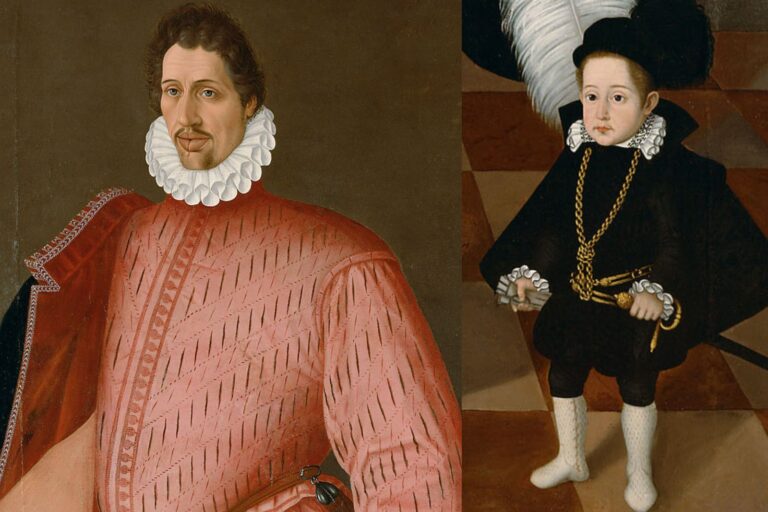
Double Portrait of a Giant and a Dwarf
“Dwarfs” and “giants” were long seen as curiosities of nature. In the Middle Ages…
Exhibition highlights
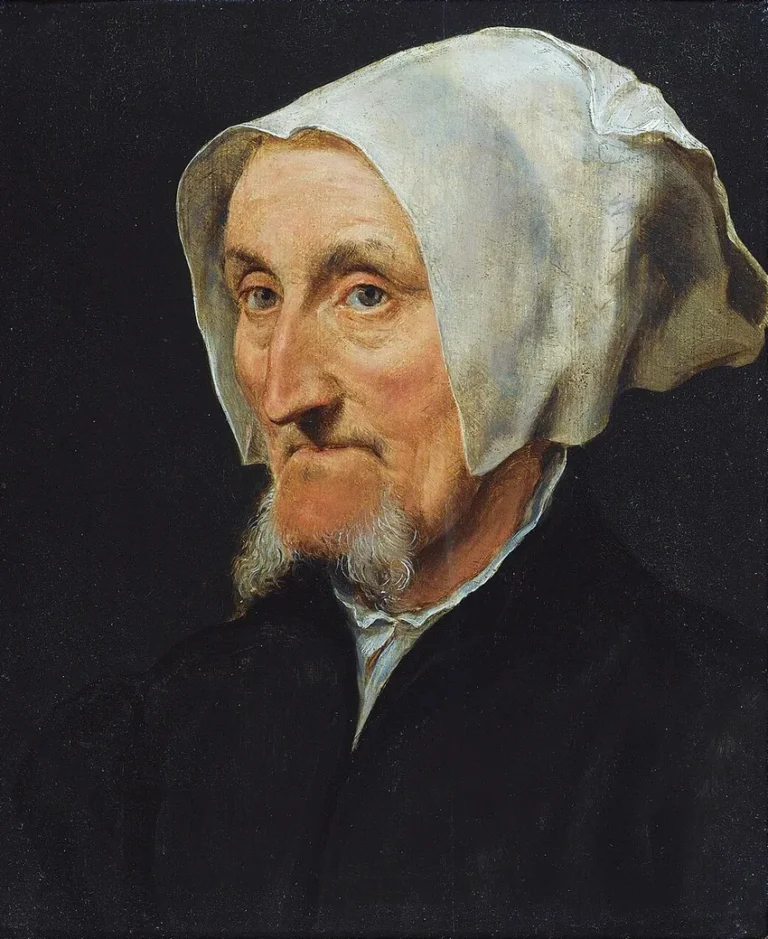
10 Jun 2026
The Mysteries of the Bearded Woman’s Portrait
Through June 14, Brussels is hosting Bellezza e bruttezza, an exhibition exploring ideas of…
Best catalogs
Edward Burra
$47.00
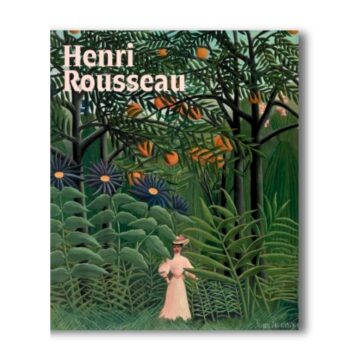
Henri Rousseau: A Painter’s Secrets
$50.00
Surreal on Paper
$44.00
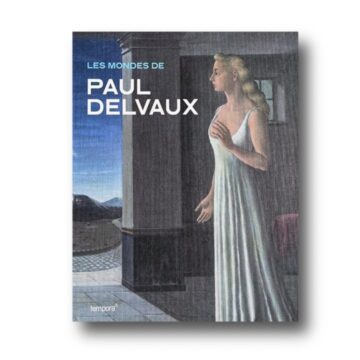
Les Mondes de PAUL DELVAUX / The Worlds of Paul Delvaux
$80.55
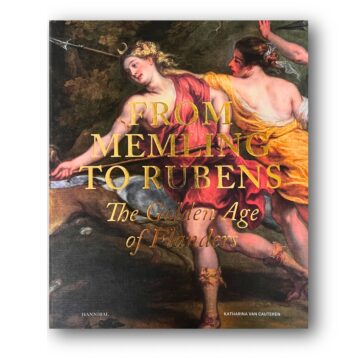
From Memling to Rubens: The Golden Age of Flanders
$63.00

L’héritage de Rogier van der Weyden : La peinture à Bruxelles 1450-1520
$105.00

The Prado Masterpieces
$55.00
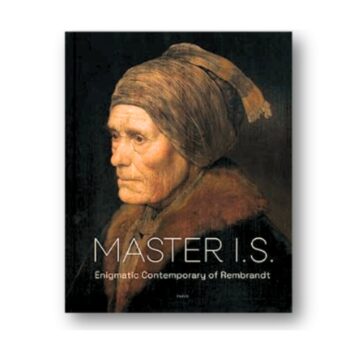
Master I.S.: Enigmatic Contemporary of Rembrandt
$64.00