

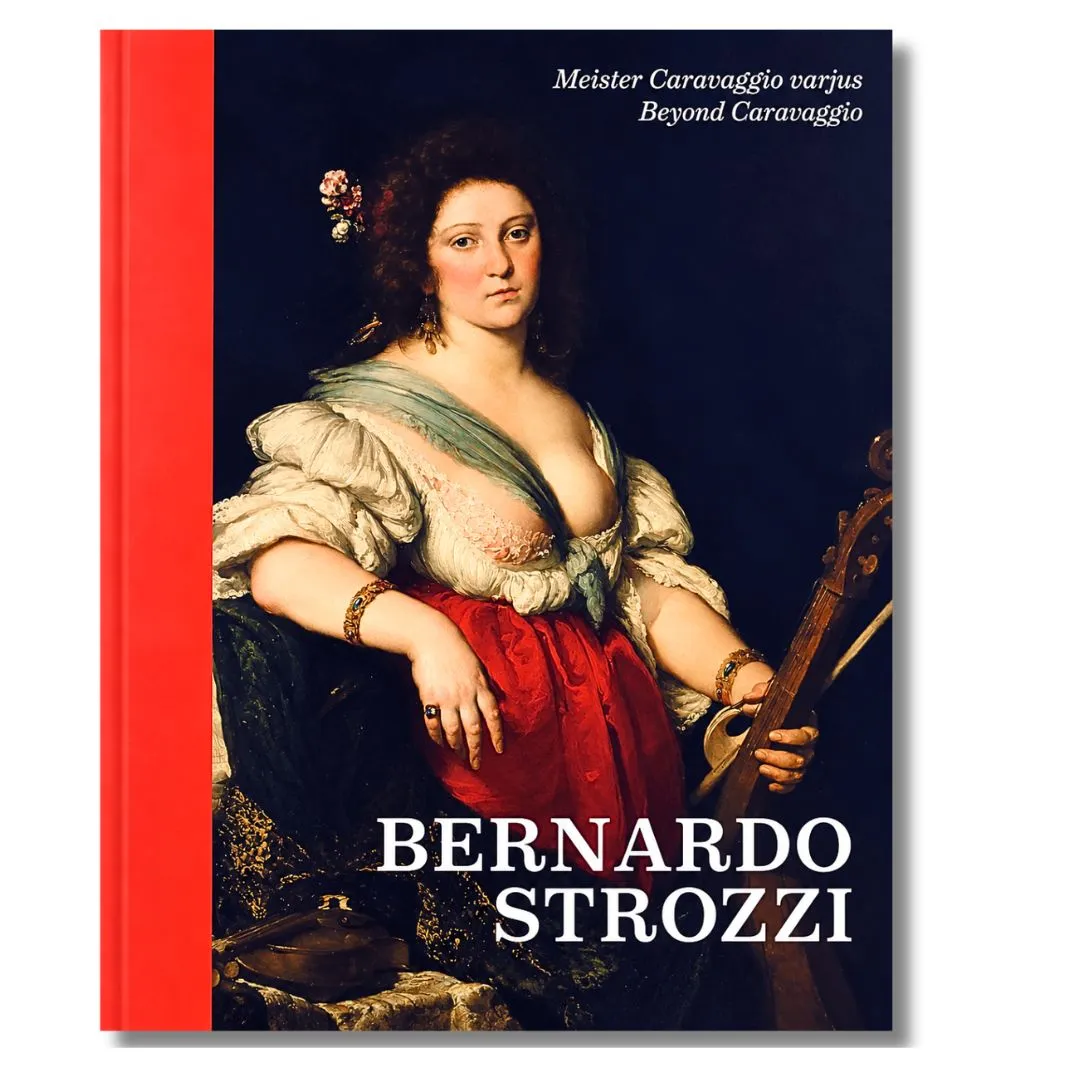
This richly illustrated exhibition catalog explores the art of Bernardo Strozzi (1582–1644), one of the most inventive painters of the Italian Early Baroque, whose career flourished in Genoa and Venice during the first half of the 17th century.
Active in the age of Caravaggio, Strozzi absorbed the dramatic naturalism and expressive possibilities of contemporary Italian painting while developing a distinctive artistic language characterized by vigorous brushwork, rich color, and remarkable versatility. His paintings encompass religious subjects, portraits, genre scenes, and still lifes, revealing an artist constantly experimenting with techniques and materials.
The catalog places particular emphasis on Strozzi’s painting techniques, workshop practices, stylistic development, and relationship to Caravaggism. It also examines the role of his pupils and followers, offering new perspectives on the organization of artistic production in 17th-century Italy.
An important starting point for the exhibition was the conservation and study of Concert, a painting associated with Strozzi’s workshop in the collection of the Art Museum of Estonia. This investigation opened broader questions about attribution, artistic collaboration, and the transmission of painting techniques within Baroque workshops.
Featuring scholarly contributions and catalog entries informed by recent research, including studies by Anna Orlando, a leading specialist in Genoese Baroque painting, the volume presents Strozzi as an independent and innovative master rather than merely a follower of Caravaggio.
Bringing together art historical research and works from European museums and private collections, this publication offers a valuable contribution to the study of Italian Baroque painting, Caravaggism, and 17th-century artistic practice.


Reviews
There are no reviews yet.