

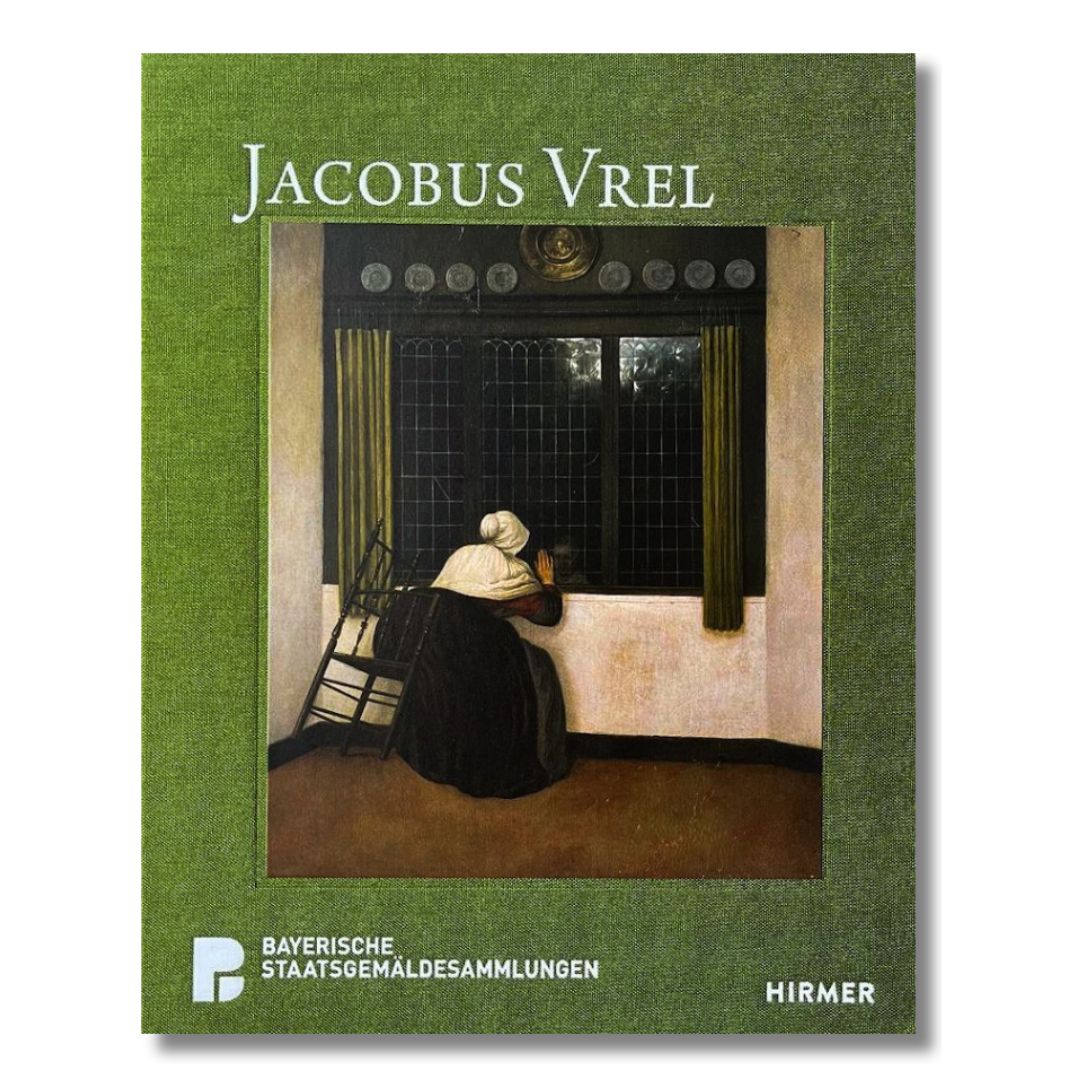
This monograph and catalogue raisonné is the first complete scholarly study of the mysterious 17th‑century Dutch painter Jacobus Vrel. Edited by Bernd Ebert, Cécile Tainturier, and Quentin Buvelot, the volume brings together decades of international research and technical examination of Vrel’s surviving oeuvre of about 50 works.
Vrel’s paintings depict introverted figures and stage‑like street scenes, recording everyday life in the Dutch Republic while simultaneously creating uncanny, almost modern atmospheres. His works were once attributed to Vermeer, yet their austerity and silence align more closely with later artists such as Vilhelm Hammershøi.
Developed as the outcome of a major international research project, the book offers new insights into Vrel’s painting techniques, materials, and authorship. As noted by CODART, the leading network for curators of Dutch and Flemish art, this publication stands as a “monograph–cum–catalogue raisonné”, the first and only scholarly attempt to reconstruct the artist’s life and visual world through sustained cross-institutional collaboration.
The book includes 256 pages and 224 illustrations, presenting detective‑like investigations into Vrel’s identity, stylistic analysis, and the cultural context of his art. It is the result of collaboration between the Bayerische Staatsgemäldesammlungen (Munich), the Fondation Custodia, Frits Lugt Collection (Paris), and the Mauritshuis (The Hague), alongside numerous international specialists.
The edition was published in three languages — German, French, and English. Currently available for sale is the German edition, making it both a rare book and a collectible book for scholars, collectors, and libraries specializing in Dutch Golden Age painting.



Reviews
There are no reviews yet.