

European Art Exhibitions: Fall 2026
Europe’s fall exhibition season is officially underway, and this year there really is something for every taste. Old Masters and Impressionists, women artists finally getting their share of the spotlight, plenty of nudity, a little devilry, and even an earless Van Gogh. From Renaissance Florence and seventeenth-century Spain to Surrealism, Pop Art, and the stranger corners of Victorian imagination, the museums of Europe have given us more than enough reasons to start planning another trip.
As always, this is not an attempt to list everything happening in Europe. It is our own selection of exhibitions we think are worth knowing about. So, where are we going this fall?
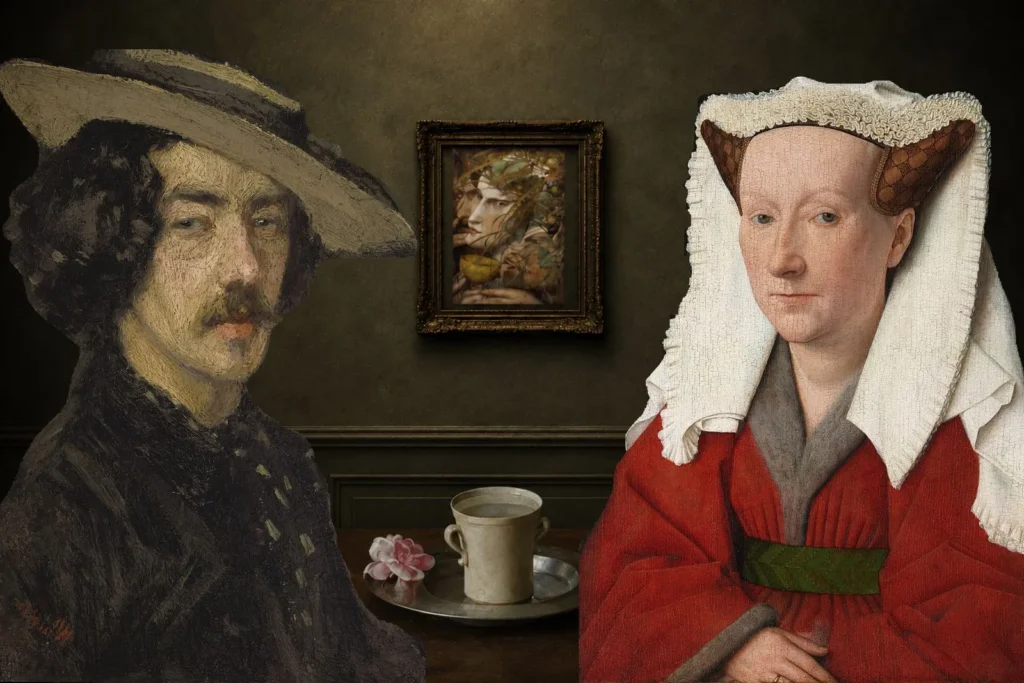
AUSTRIA
Picasso – Bacon: What It Feels Like to Be Human
Albertina, Vienna
September 18, 2026 to January 31, 2027
Bringing together around 70 key works by Pablo Picasso and Francis Bacon, the exhibition places two of the twentieth century’s most influential painters in direct dialogue. The two artists never met, but Picasso’s work had a profound impact on the younger Bacon. In 1927, while in Paris, Bacon encountered Picasso’s biomorphic and distorted figures at an exhibition at Galerie Paul Rosenberg. The experience became one of the formative moments of his artistic life and left a lasting mark on the way he approached the human body. Bacon openly acknowledged Picasso’s influence, but he also spent his career measuring himself against him. The Albertina exhibition explores this artistic dialogue between two artists who never knew each other personally, tracing how Picasso’s radical transformations of the figure found a powerful and very different continuation in Bacon’s work.
The museum has not yet announced an exhibition catalog, but we are waiting for the show to open. It is hard to imagine that an encounter between two of the twentieth century’s most celebrated artists will go without a publication of its own.
Kokoschka – Schiele: Networkers
Kokoschka Museum, Pöchlarn
Through October 26, 2026
Egon Schiele und Oskar Kokoschka: Rivals
Egon Schiele Museum, Tulln
Through November 1, 2026
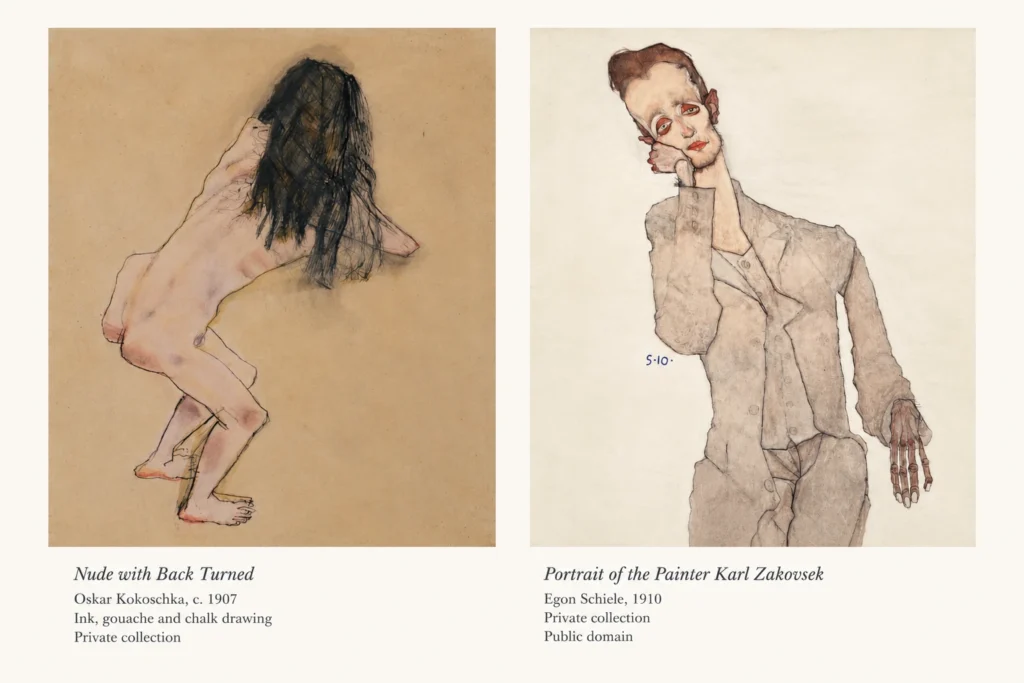
One of two parallel Austrian exhibitions devoted to Oskar Kokoschka and Egon Schiele. The Pöchlarn show looks at the artists through the people around them, their connections, and the artistic networks that helped shape the culture of early 20th-century Vienna.
The second half of the Austrian project shifts from networks to rivalry. The Tulln exhibition looks at the relationship between two of the leading figures of Austrian Expressionism and at how Schiele and Kokoschka forged very different artistic identities within the same cultural world.
BELGIUM
Ossip Zadkine and Belgium
KMSKA, Antwerp
October 31, 2026 to April 18, 2027
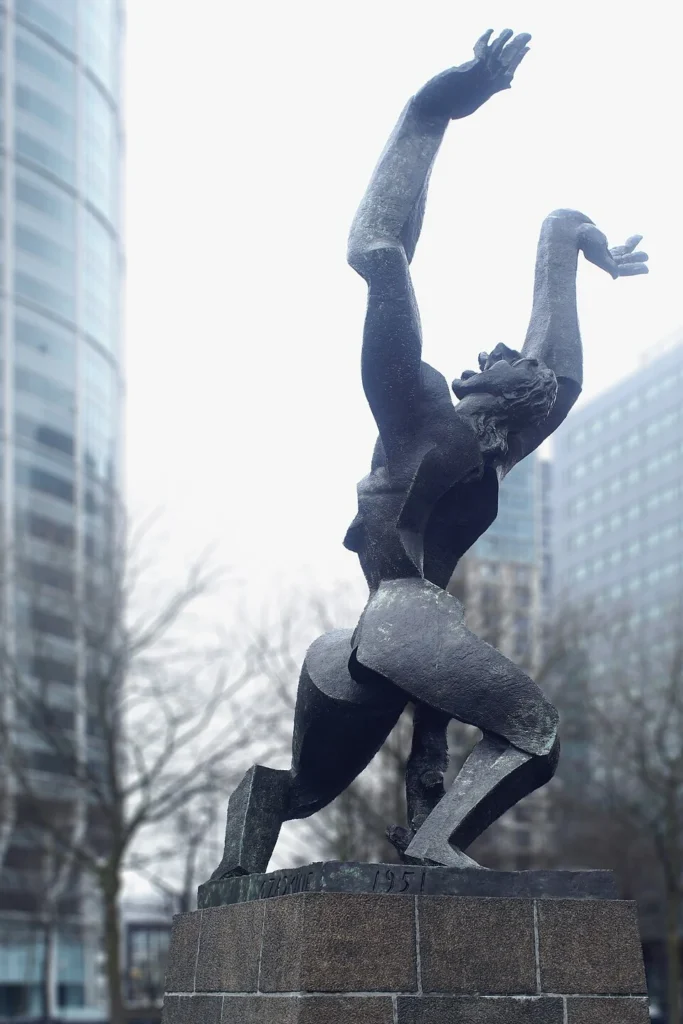
Ossip Zadkine turned the human body into a language of modernism. Born in Vitebsk and based in Paris from 1910, he absorbed Cubism without ever becoming simply a Cubist sculptor. His fragmented, hollowed-out figures are expressive, emotional, and immediately recognizable, while his best-known work, The Destroyed City in Rotterdam, became one of Europe’s most powerful monuments to the devastation of World War II.
The exhibition turns to a lesser-known but important part of his career: Zadkine’s close relationship with Belgium, where collectors, critics, and dealers played a major role in his international rise. His work will appear alongside that of his wife, Valentine Prax, as well as Belgian contemporaries and students.
FRANCE
Maurice Denis collectionneur: Bonnard, Gauguin, Sérusier…
Musée départemental Maurice Denis, Saint-Germain-en-Laye
May 7, 2026 to January 31, 2027
What did an artist collect when his friends happened to be Bonnard, Sérusier, and Vuillard, and his contemporaries included Gauguin, Van Gogh, Cézanne, and Redon? For the first time, an exhibition reconstructs Maurice Denis’s personal art collection, bringing together around 150 works that reveal his tastes, friendships, and artistic influences. Archival photographs help place many of these works back in the settings where Denis lived with them, offering a rare chance to see the art of his generation through the eyes of one of the Nabis.
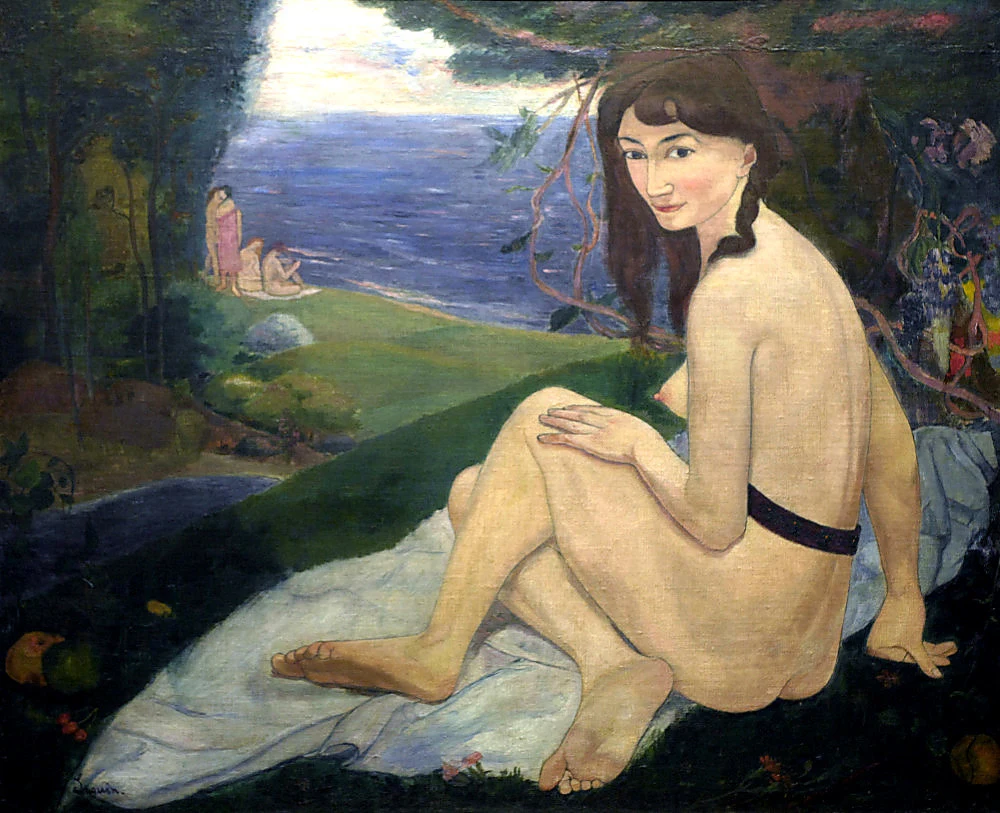
Among the works presented in the exhibition is Armand Seguin’s Nude, la comtesse d’Hauteroche (1896), shown here, a painting with a story almost as intriguing as the work itself. The name “Comtesse d’Hauteroche” appears in connection with at least two works by Seguin from 1896, including this nude and a separate portrait, suggesting that it referred to a specific woman or model in the artist’s circle. Yet her identity has never been firmly established. The Musée de Pont-Aven remains cautious, describing the model simply as unknown, while the exhibition catalog offers a considerably more colorful version of the story. It suggests that the Countess d’Hauteroche may have been Seguin’s mistress and notes that fellow artist Georges Chaudet even accused Seguin of acting as her pimp. This is one of those cases when catalog notes turn out to be considerably more interesting than museum labels.
Amazones, cavalières et icônes de mode / Amazons, Horsewomen and Fashion Icons
Musée de la Mode et du Costume, Arles
Through September 20, 2026
For centuries, riding was largely a male domain, but women gradually borrowed elements of masculine equestrian dress and turned them into a distinctive style of their own. The amazone became a symbol of both elegance and female independence. More than 100 works and objects from French, British, and Swedish collections trace this history from the Renaissance to the present through portraits, drawings, riding habits, saddles, and accessories, including the saddle of Queen Christina of Sweden and portraits of celebrated horsewomen such as the Grande Mademoiselle and Empress Eugénie.
Dessins français des collections privées françaises
Musée de Picardie, Amiens
Through September 27, 2026
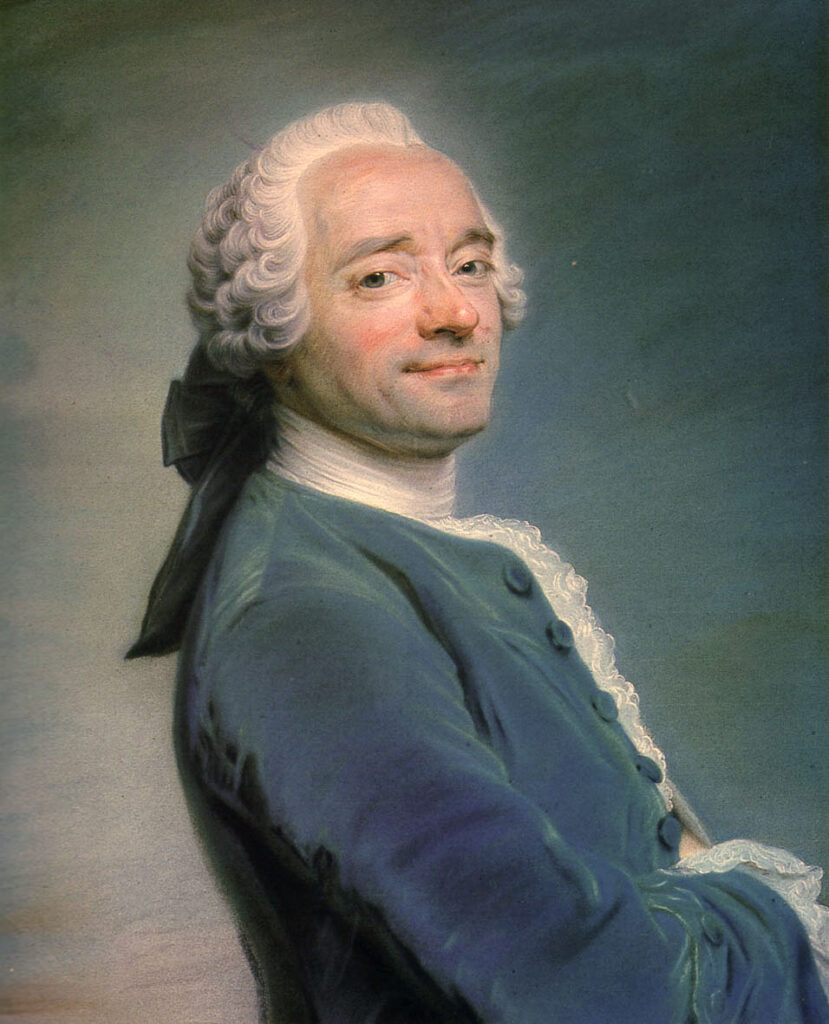
Poussin, Vouet, David, Watteau, Fragonard, and Boucher are among the artists represented in this rare exhibition devoted entirely to French drawings. More than 170 works, many from private collections and rarely shown or previously unknown to the wider public, trace the history of French drawing from the late Renaissance to the French Revolution. Sketches, studies, and works in color offer a more intimate look at artists whose finished paintings are far more familiar to museum audiences. Works on paper rarely see the light of day for long, which is precisely what makes exhibitions of drawings like this one so special.
The exhibition also brings one of the Musée de Picardie’s own treasures out of storage: Maurice Quentin de La Tour’s extraordinary Self-Portrait with a Lace Jabot, created around 1750 and considered one of the most remarkable self-portraits in the history of art.
L’Ange de la Révolte. Satan dans les arts au XIXe siècle / The Angel of Revolt: Satan in 19th-Century Art
Musée Thomas Henry, Cherbourg-en-Cotentin
Through November 8, 2026
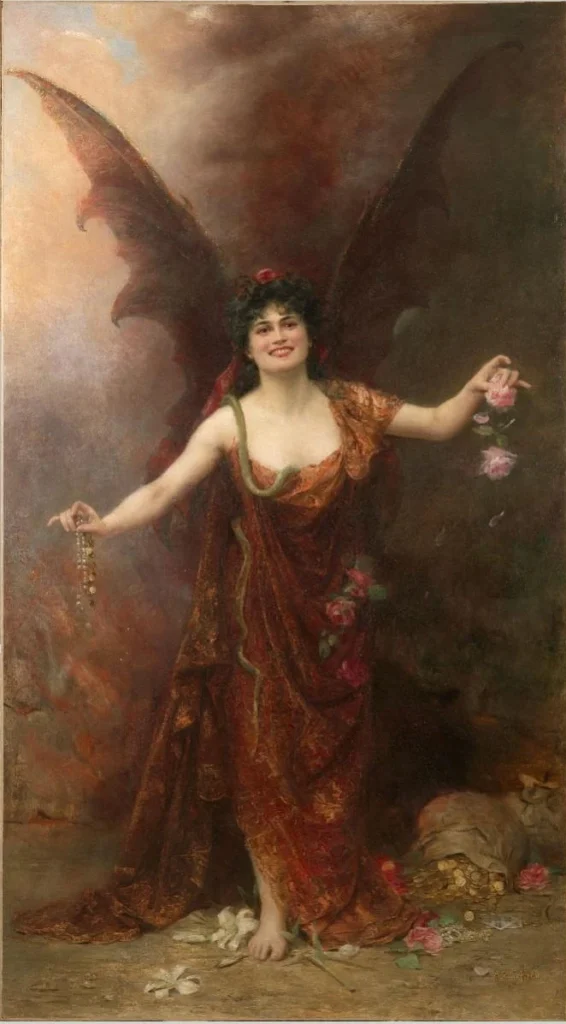
The first major exhibition devoted to Satan in 19th-century European art brings together around 60 works by Delacroix, Cabanel, Gustave Doré, Félicien Rops, James Ensor, and others. It follows the devil’s transformation from the traditional embodiment of evil into a fallen angel, antihero, and symbol of rebellion, freedom, and modernity. Designated an exhibition of national significance by the French Ministry of Culture, the show includes paintings, sculptures, works on paper, and illustrated books, with loans from the Louvre, Musée d’Orsay, the Royal Academy, and other collections.
Éternel Tintoret / Timeless Tintoretto
Musée Jacquemart-André, Paris
September 11, 2026 to January 24, 2027
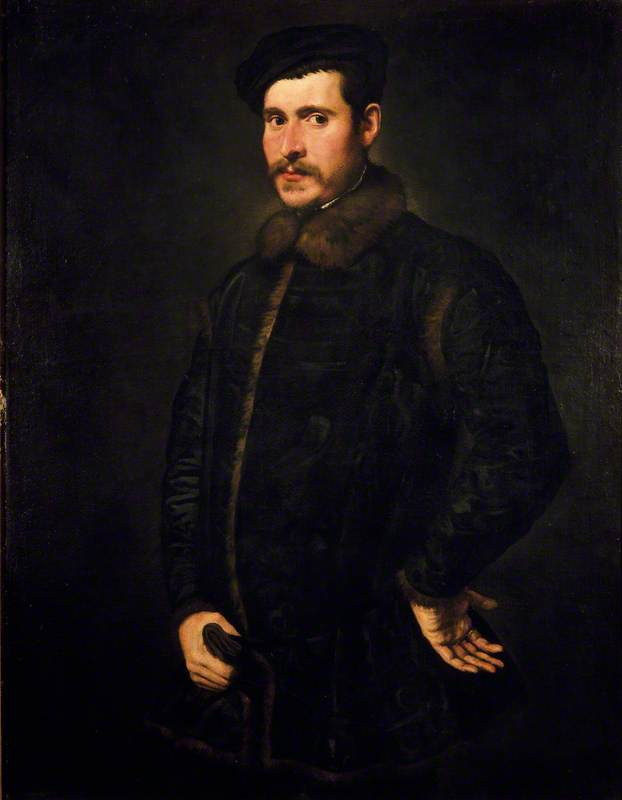
Did you know that Tintoretto used miniature figures to plan some of his paintings? In his studio, he arranged small wax or clay figures like actors on a stage and lit them with lamps, experimenting with shadows, perspective, and unusual points of view. The method helps explain the dramatic lighting and daring angles that make his paintings so instantly recognizable.
Éternel Tintoret brings together around forty paintings and drawings from public and private collections in France, Italy, and beyond, offering the first exhibition in France to survey the artist across his entire career. Among the major loans are The Miracle of Saint Augustine from Vicenza, The Trinity from Turin, The Creation of the Animals from Venice, Danaë from Lyon, and Susanna and the Elders from Vienna.
The exhibition also follows Tintoretto’s remarkable second life in 19th-century France, when artists including Delacroix, Ingres, Manet, and Cézanne returned to his work. One particularly telling encounter places Tintoretto’s late self-portrait from the Louvre alongside the copy Manet made from it in 1854, more than 250 years after Tintoretto’s death.
Zurbarán
Musée du Louvre, Paris
October 7, 2026 to January 25, 2027
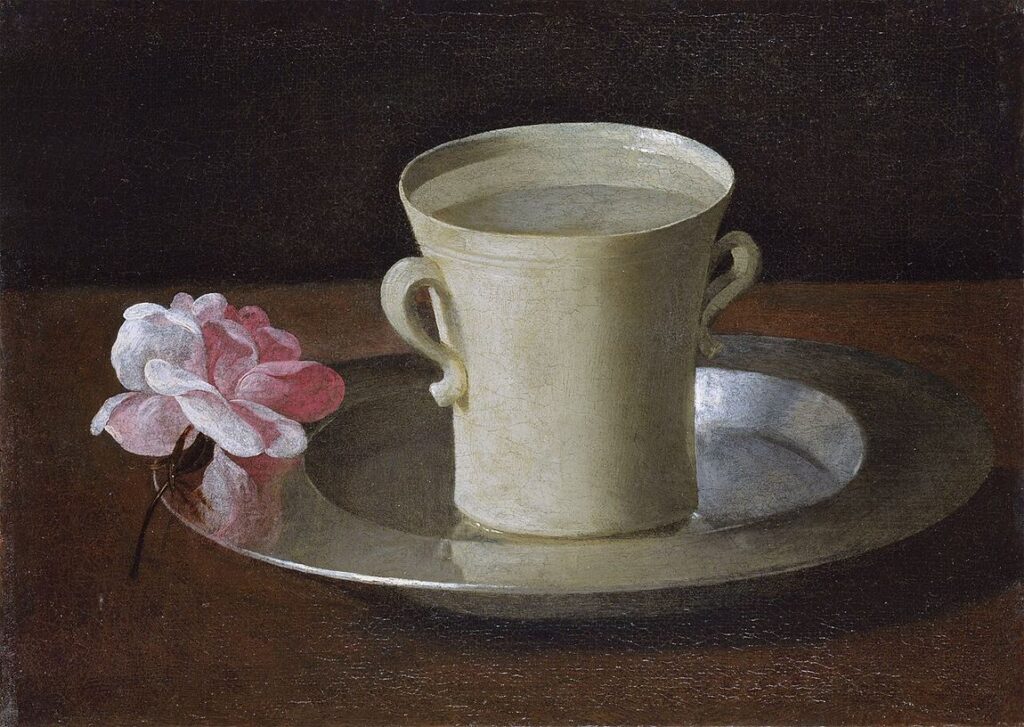
The major Francisco de Zurbarán retrospective shown in London this summer moves to Paris with a different emphasis. At the Louvre, the exhibition will bring together 65 paintings, including 50 works by Zurbarán, alongside 20 examples of Spanish polychrome wood sculpture from the Baroque period. Some of the sculptures were recently featured in the Prado’s Hand in Hand exhibition. The pairing brings painted and sculpted realism into the same room and places Zurbarán within the intensely physical world of seventeenth-century Spanish art.
Among the saints, martyrs, monks, and biblical scenes that dominate Zurbarán’s work, independent still lifes are remarkably rare. He is thought to have painted no more than ten during his lifetime, which makes this small part of his work particularly fascinating. The Louvre promises to give these still lifes special attention in the Paris exhibition. Their power comes from almost nothing: a few ordinary objects isolated against darkness and given an extraordinary sense of presence
Gustave Fayet, Collector – Designer. Icons of Modern Art
Fondation Louis Vuitton, Paris
October 9, 2026 to March 8, 2027
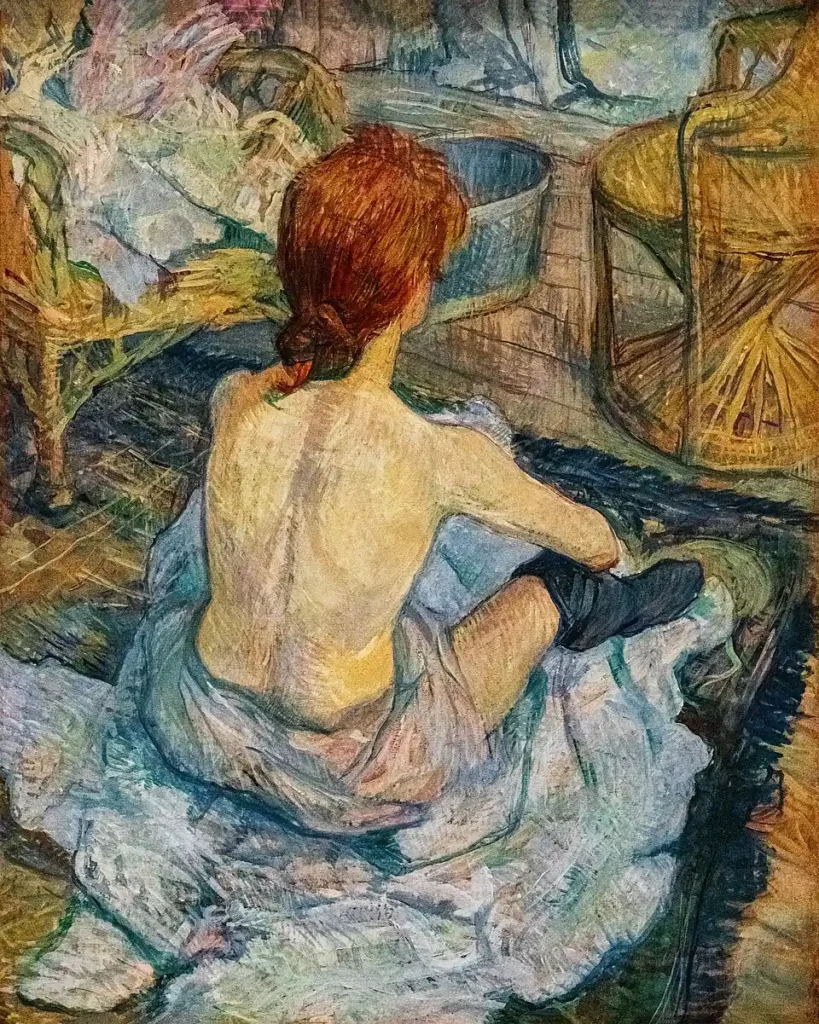
For the first time in a century, Fondation Louis Vuitton is reassembling more than 250 works from Gustave Fayet’s legendary collection: 78 works by Gauguin, 88 by Redon, 10 Van Goghs, plus Cézanne, Degas, Toulouse-Lautrec, Matisse, Bonnard, Signac, and others. Highlights include Van Gogh’s Self-Portrait with Bandaged Ear returning to exhibition after decades, several celebrated Gauguins reunited, and Redon’s monumental decorative ensemble from the Abbey of Fontfroide. In all, the project brings together 767 works and documents from 64 museums and 71 private collections and takes over every exhibition space at Fondation Louis Vuitton.
The 448-page catalog dedicated to the Gustave Fayet collection is scheduled for release on the U.S. market in December.
GERMANY
Cassirer and the Breakthrough of Impressionism
Alte Nationalgalerie, Berlin
Through September 27, 2026
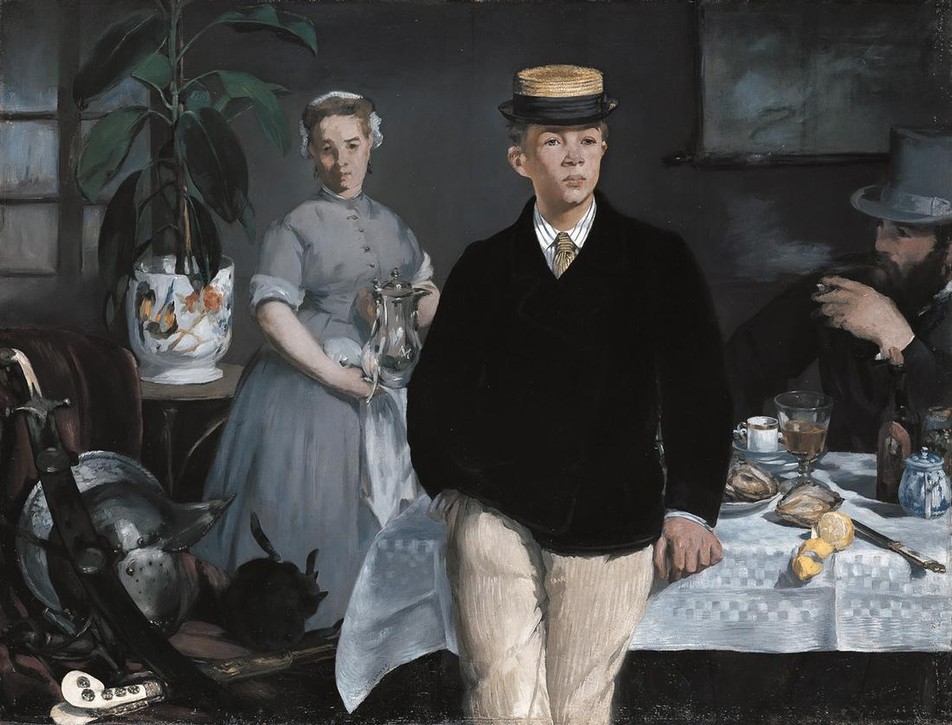
The man who taught the German public to appreciate the Impressionists. Paul Cassirer was one of the most influential art dealers in turn-of-the-century Berlin, helping introduce German audiences to Manet, Monet, Degas, Cézanne, and other French modernists at a time when their place in the museum canon was far from secure. He also played a crucial role in the German reception of Vincent van Gogh. Beginning in 1901, Cassirer regularly exhibited Van Gogh’s work in Berlin, helping to build an audience for an artist whose international reputation was still taking shape.
Manet was present almost from the beginning of Cassirer’s career as a dealer. Luncheon in the Studio, shown here, appeared at Cassirer’s Berlin gallery in 1910 as part of a major exhibition of works by Manet from the collection of Auguste Pellerin. More than a century later, the painting has returned to Berlin for an exhibition devoted to the dealer who helped establish Manet’s reputation in Germany.
The exhibition brings together more than 120 works to tell the larger story of how Cassirer connected French artists, German collectors, museums, and the public. Seen from today, when Manet, Monet, and Cézanne seem inseparable from the history of modern art, it is easy to forget that someone first had to persuade audiences to look at them differently.
Correggio. Movingly Human
Gemäldegalerie Alte Meister, Dresden
September 19, 2026 to January 10, 2027
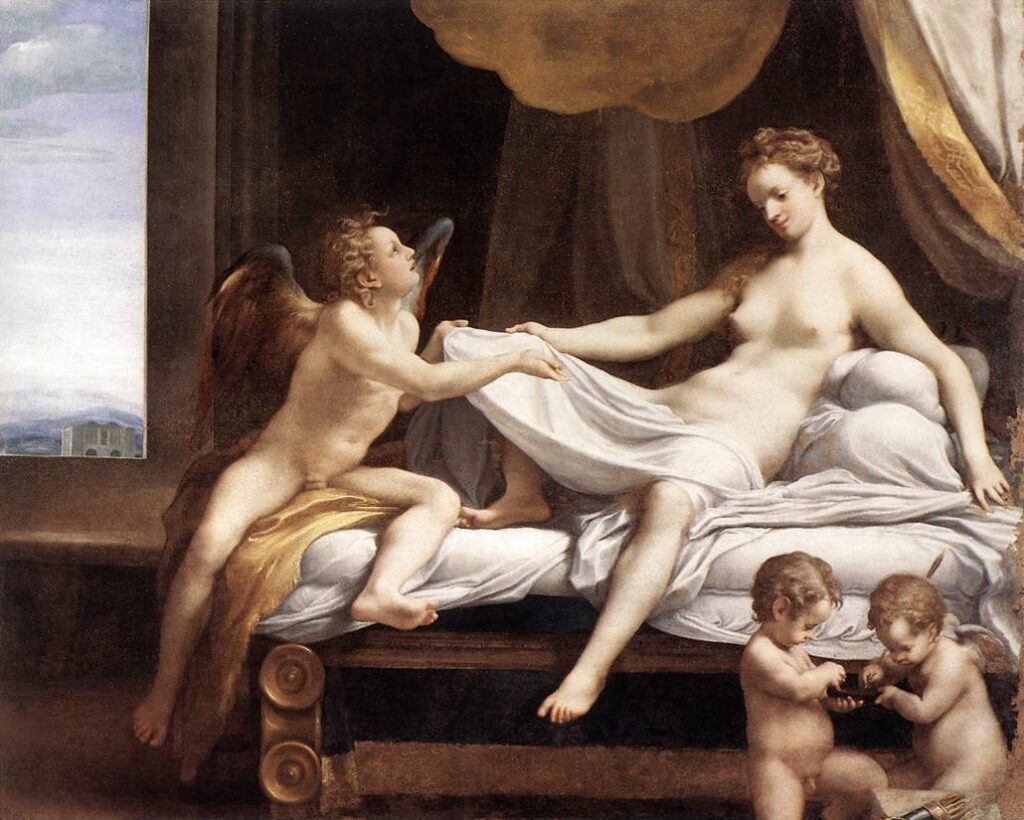
Want to see a painting that spent three centuries traveling across Europe, was seized as war booty, passed through royal collections, had its value conveniently played down at customs, and was nearly hidden behind a curtain for being too sensual? Then Dresden should be on your itinerary.
Correggio’s Danaë, now in the Galleria Borghese in Rome, is one of the highlights of the Dresden exhibition. Painted around 1530 for Federico II Gonzaga, Duke of Mantua, it belongs to Correggio’s celebrated series of four erotic paintings devoted to the loves of Jupiter. Its subsequent adventures were almost as dramatic as the myth itself. Over the next three centuries,the painting traveled from Mantua to Spain, Milan, and Prague, was seized by Swedish troops during the Thirty Years’ War, and continued through Sweden, Rome, France, and England before eventually returning to Rome. When Camillo Borghese brought it into the Papal States in 1827, its attribution to Correggio was conveniently presented as uncertain, apparently helping to reduce the import duty. Once inside the Borghese palace, Danaë caused another problem: its sensuality prompted discussion of hiding it behind a green curtain.
Correggio. Movingly Human brings together major international loans with works from Dresden’s own collection to explore the extraordinary humanity of Correggio’s art. The exhibition moves between religious and mythological subjects, showing how his soft modeling, dramatic movement, light, and remarkably physical figures helped create a visual language that would resonate far beyond the Renaissance.
No exhibition catalog has been announced yet, but with the opening just around the corner, we are keeping an eye out for news from the museum.
Signac and the Neo-Impressionists
Museum Barberini, Potsdam
Through October 11, 2026
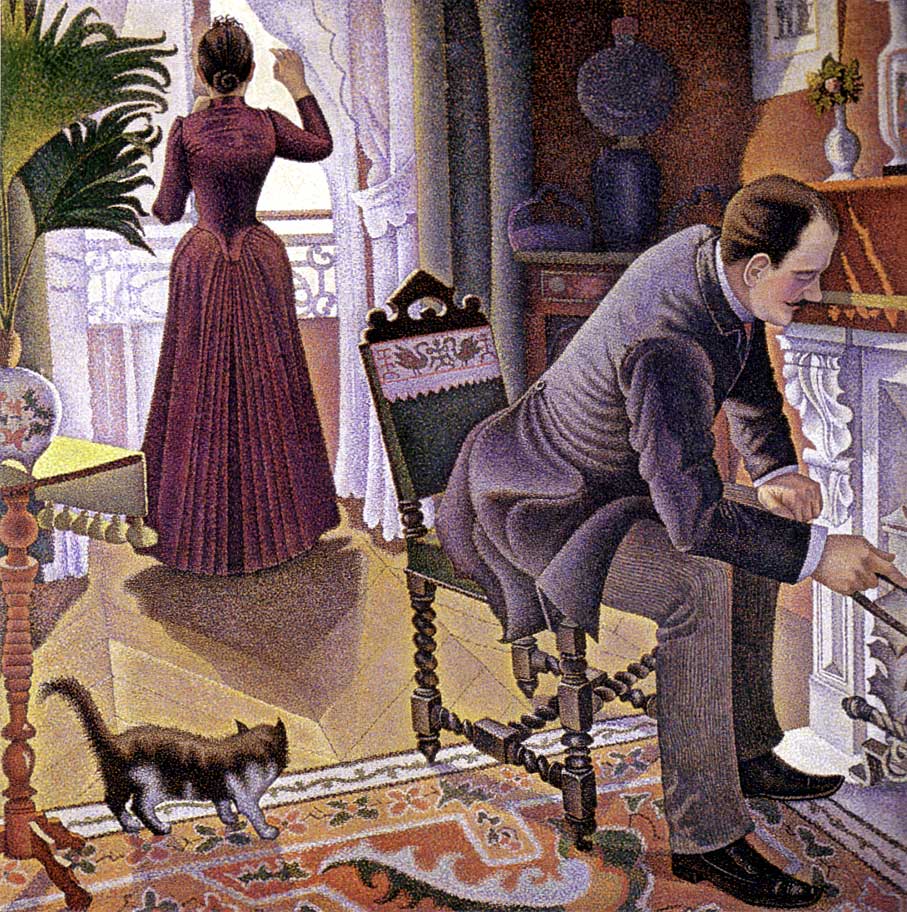
Impressionists had already revolutionized painting by capturing the changing effects of light and color. A younger generation decided to take the experiment further. Instead of fully mixing colors on the palette, they began placing small strokes or dots of contrasting color next to one another, allowing the viewer’s eye to do part of the mixing. Pointillism was born.
But the dots were only part of the story. The larger experiment was about separating colors and exploring what happened when they interacted directly on the canvas and in the viewer’s eye. In 1886, the critic Félix Fénéon gave this new movement a name: Neo-Impressionism.
Georges Seurat became the great pioneer of the movement, while Paul Signac emerged as one of its leading figures and most devoted advocates. Symphony of Colors: Paul Signac and Neo-Impressionism, the first major Signac exhibition in Germany in 30 years, brings together more than 90 works, over a third of them by Signac himself. His paintings appear alongside works by Seurat, Camille Pissarro, Henri-Edmond Cross, Maximilien Luce, Théo van Rysselberghe, Jan Toorop, and others, allowing the exhibition to tell the story not simply of one artist, but of an entire movement.
After Potsdam, the exhibition travels to Kunsthal Rotterdam.
The 304-page catalog, published by Prestel is scheduled for release in October 2026.
Die Blauen Reiterinnen / Women of the Blue Rider
Museum Wiesbaden, Wiesbaden
October 23, 2026 to February 21, 2027
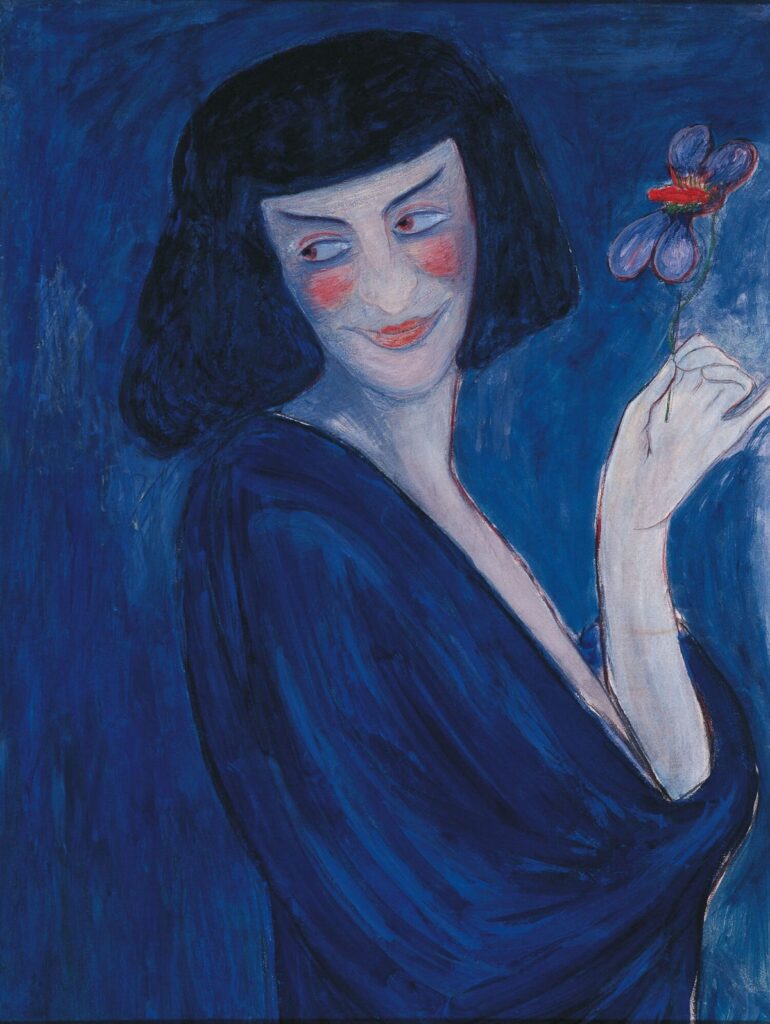
In the years before World War I, a new generation of artists was no longer satisfied with painting the world exactly as it looked. In Munich, a group of young painters believed that art should express an inner state rather than simply reproduce visible reality. A horse could be blue, a face green, grass red. This search for a new artistic language brought together a circle around Wassily Kandinsky and Franz Marc known as the Blue Rider, one of the most influential movements of early modern art.
Women were part of this artistic world from the beginning, although their role was often overshadowed by their male colleagues in later accounts of the movement. One of the most fascinating figures in this circle was Marianne von Werefkin, whose The Dancer Alexander Sacharoff is shown here. A Russian-born artist who had studied with Ilya Repin, Werefkin later became an important figure in Munich’s avant-garde. Her own career also helps explain why an exhibition devoted specifically to the women of the Blue Rider matters. For nearly a decade, Werefkin largely put aside her own painting while supporting the career of her partner, Alexej von Jawlensky. When she returned to painting, she developed a highly expressive language of intense color and simplified forms that was entirely her own.
Women Artists of the Blue Rider looks at this history through the work of twelve women artists: Erma Bossi, Sonia Delaunay, Emmi Dresler, Elisabeth Epstein, Elisabeth Erdmann-Macke, Maria Franck-Marc, Natalia Goncharova, Else Lasker-Schüler, Olga Meerson, Gabriele Münter, Carla Pohle, and Marianne von Werefkin. By bringing their work and their connections with one another back into view, the exhibition presents the Blue Rider not simply as the familiar story of Kandinsky, Marc, and a few celebrated men, but as a much broader artistic network in which women were present from the beginning.
The accompanying English-language catalog, published by Hirmer, expands the story further with thirteen artist biographies and more than 150 works. The catalog is scheduled for release in November 2026.
ITALY
Anselm Kiefer. Le Alchimiste
Palazzo Reale, Milan
Through September 27, 2026
Anselm Kiefer is one of those artists for whom words and photographs are simply not enough. Whether you love this kind of art or not, it is almost impossible to glance at a Kiefer painting and simply walk past it. The scale, the rough surfaces, and the sheer physical presence of his works demand to be experienced in person.
That makes Le Alchimiste at Palazzo Reale in Milan an especially compelling encounter. Kiefer began developing the project in 2023, creating more than forty monumental canvases specifically for the Sala delle Cariatidi, a grand historic hall that still bears the scars of the bombing of Milan in 1943. His heavily worked surfaces and recurring themes of memory, destruction, and transformation find an unusually fitting setting in a space that carries its own visible history.
The exhibition is dedicated to women associated with the history of alchemy and early scientific knowledge, figures whose contributions have often been forgotten. At its center is Caterina Sforza, who spent part of her youth in Milan and left behind a remarkable collection of more than 400 recipes for medicines, cosmetics, and alchemical preparations. Through her and other women drawn from different periods of history, Kiefer returns to one of the ideas that has occupied him throughout his career: transformation, the ancient alchemical dream of turning one substance into another, and, more broadly, the possibility of creating something new from what has been destroyed.
MAGNIFICO. 1492
Gallerie degli Uffizi, Florence
November 30, 2026 to March 1, 2027
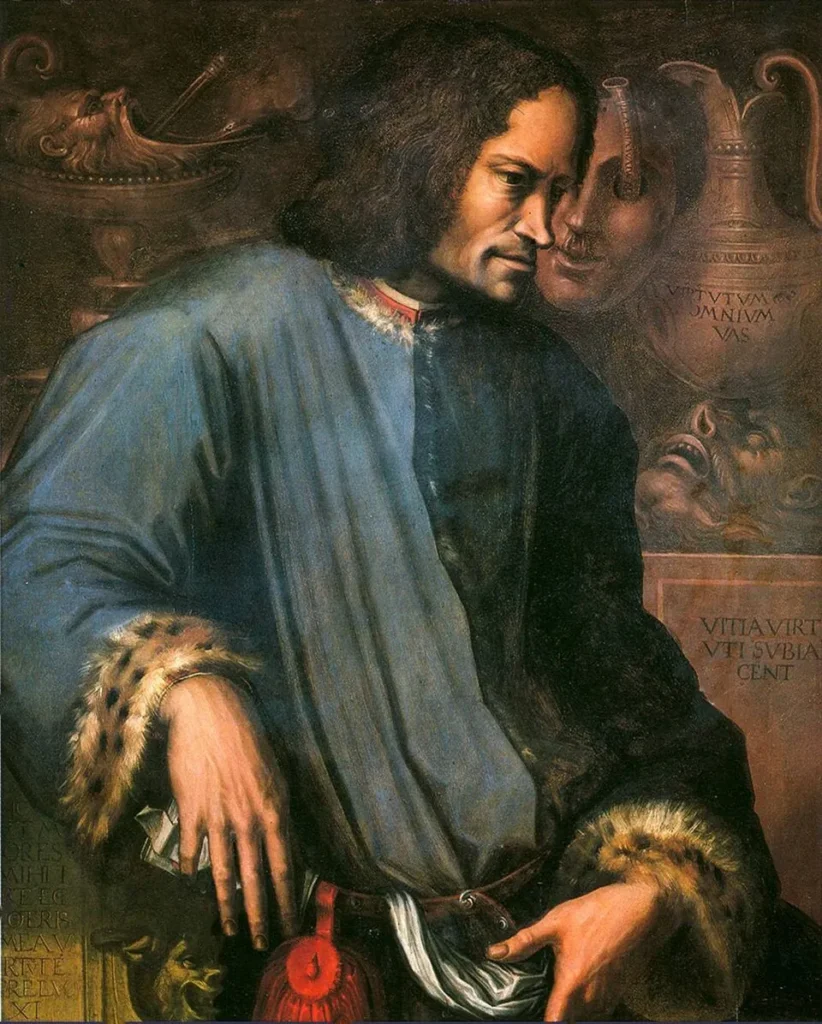
This is one exhibition we are personally very excited about. Magnifico. 1492 turns to Lorenzo de’ Medici, the most celebrated member of the Medici family, a politician, poet, and above all one of the great patrons of Renaissance Florence. Under his patronage, artists, writers, and scholars helped shape the extraordinary cultural world that we now associate with the city at the height of the Renaissance.
The year in the title is no accident. Lorenzo died in 1492, the same year Columbus reached the Americas. The exhibition takes that coincidence as a turning point, looking at Lorenzo’s death against a much larger transformation of Florence, Europe, and a world that was suddenly becoming more connected.
Years in preparation, the exhibition will attempt something remarkable: to bring back together much of Lorenzo’s personal collection, recorded in an inventory drawn up immediately after his death. More than one hundred objects, including paintings, sculptures, ancient vases, gems, cameos, coins, manuscripts, and maps, will reconstruct the extraordinary collection once housed in the Medici palace on Via Larga. Fortunately for historians, the Medici seem to have shared our enthusiasm for keeping good records.
And then there is the reunion we are waiting for most. For the first time in centuries, the three panels of Paolo Uccello’s Battle of San Romano will be brought together again. Lorenzo acquired the celebrated cycle and displayed it in the Medici palace, but today its three panels are divided between the Uffizi in Florence, the National Gallery in London, and the Louvre in Paris. For Magnifico. 1492, all three will return to Florence and be seen together once again.
The exhibition will also have a printed catalog, although publication details and language editions have not yet been announced.
NETHERLANDS
Yayoi Kusama
Stedelijk Museum, Amsterdam
September 11, 2026 to January 17, 2027
More than seven decades of Yayoi Kusama’s career come together in what the Stedelijk Museum describes as the largest exhibition in its history, spanning painting, sculpture, drawing, collage, fashion, happenings, and immersive installations. Kusama, who died on August 14 at age 97, was personally involved in its preparation, making this the last major exhibition developed with the artist herself. Among the highlights is a new Infinity Mirrored Room created specifically for Amsterdam, one final new environment conceived by an artist who spent a lifetime dissolving the boundaries between artwork, space, and viewer.
Hals – Rembrandt
Frans Hals Museum, Haarlem
November 6, 2026 to February 28, 2027
Frans Hals and Rembrandt hardly need an introduction. Both could make a painted face feel startlingly alive, but they arrived there in very different ways. Rembrandt worked slowly, building up and reworking his paintings in layers. Hals often seems to have done the opposite: his rapid, confident brushstrokes can make a seventeenth-century portrait feel almost like a snapshot.
For the first time, an exhibition is devoted entirely to placing the two artists face to face. Hals–Rembrandt at the Frans Hals Museum in Haarlem brings together just nineteen paintings, deliberately keeping the exhibition small enough for close comparison. Portraits are paired to reveal how the two artists approached similar subjects, from wealthy officials and female governors of charitable institutions to children, actors, musicians, and people caught laughing rather than politely posing for posterity.
One of the most intriguing comparisons comes through their group portraits. Hals could capture a room full of people with an extraordinary sense of spontaneity, while Rembrandt tended to build drama through light, gesture, and psychological tension. Seen side by side, the similarities are striking, but the differences may be even more revealing. The museum clearly expects plenty of people to come and decide for themselves: advance online reservations are mandatory for the exhibition.
SPAIN
In the Italian Manner. Spain and the Mediterranean Gothic, 1320–1420
Museo del Prado, Madrid
Through September 20, 2026
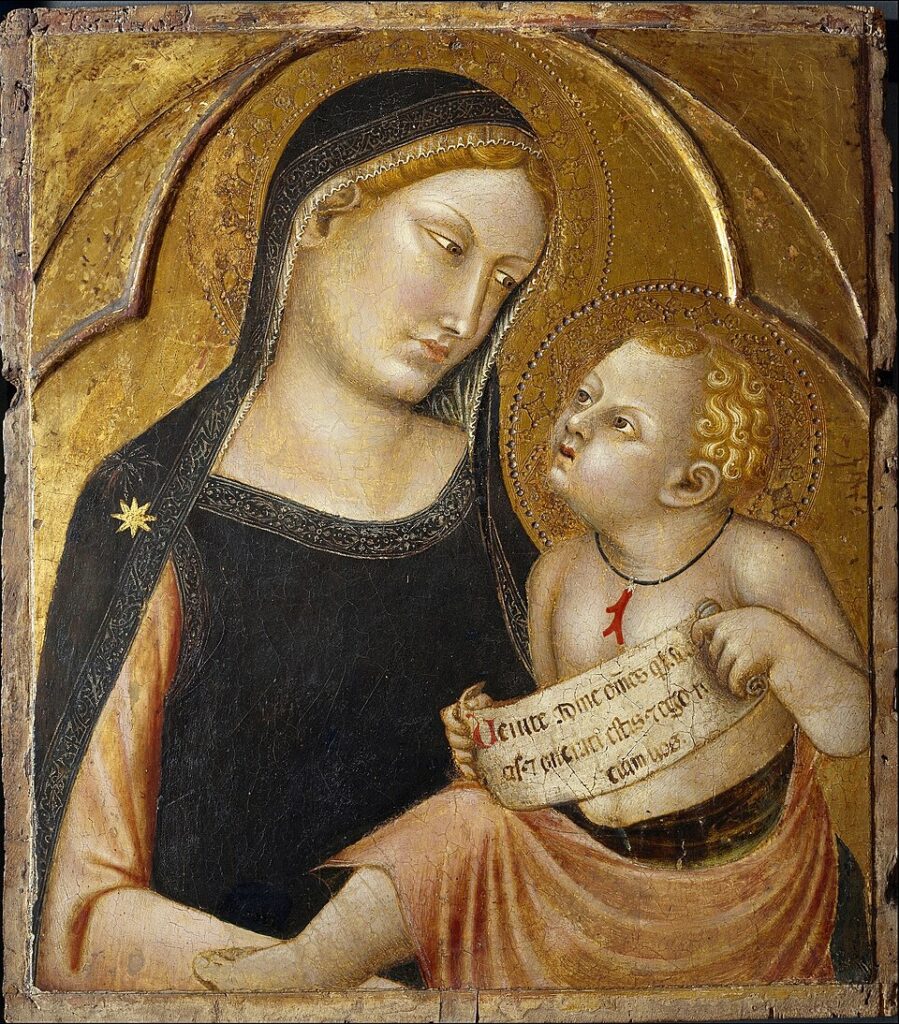
In the Middle Ages, artists, paintings, and ideas traveled across the Mediterranean. During the fourteenth century, Italian painters arrived in the kingdoms of the Iberian Peninsula, while works imported from Italy introduced new approaches to the human figure, space, emotion, and storytelling. Spanish artists absorbed these influences but did not simply copy them. They adapted them to local traditions and created something distinctly their own.
In the Italian Manner. Spain and the Mediterranean Gothic, 1320–1420 explores this century of artistic exchange through works from 31 Spanish and 25 international institutions. Italian masters including Ambrogio Lorenzetti, Gherardo Starnina, and Barnaba da Modena appear alongside painters working in Spain such as Ferrer and Arnau Bassa, the Serra brothers, and Miquel Alcañiz. Together, their works show just how closely connected the artistic worlds of Italy and Spain had become.
The Prado has also used the exhibition as an opportunity for an extensive program of conservation and technical study. Several works were restored specifically for the show, allowing paintings created six or seven centuries ago to be seen with remarkable clarity. You are unlikely to see this much gold in one place again anytime soon.
MARISOL: When Things Are Just Beginning
Centro Botín, Santander
Through October 25, 2026
Marisol was one of the most recognizable figures of the New York art scene of the 1960s. Born in Paris to Venezuelan parents, she became famous for her witty and sometimes strange life-size sculptures made from wooden blocks, plaster casts, photographs, clothing, and everyday objects. Her subjects ranged from families and fashionable society to politicians and celebrities. Her work was often more personal and satirical, particularly in its treatment of women, family, celebrity, and social roles. Just as her career was taking off in New York in the late 1950s, Marisol left for Europe. Her dealer Leo Castelli could hardly believe it and asked her, “How can you leave when things are just beginning?”
Nearly seventy years later, his question has become the title of this exhibition. It was not the only time Marisol stepped away from the center of the art world at a moment when her career was flourishing, only to return with her work moving in a different direction.
European audiences have already had one major opportunity to rediscover Marisol this year. A broad retrospective of her work was shown at the Kunsthaus Zürich this spring and summer. The exhibition at Centro Botín in Santander takes a very different approach. Marisol: When Things Are Just Beginning is the first retrospective devoted specifically to her drawings, bringing together more than 100 works spanning almost her entire career.
The 267-page catalog, published by La Fábrica is scheduled for release in October 2026.
The Freudian Universe of Dalí
Museo Nacional Thyssen-Bornemisza, Madrid
October 20, 2026 to January 24, 2027
“Freud’s cranium is a snail!” Salvador Dalí once declared. When Dalí finally met the man he had admired for years in London in 1938, the encounter was suitably strange. Dalí arrived with his painting The Metamorphosis of Narcissus, which he hoped would help him explain his paranoiac-critical method and his interpretation of Freud’s ideas. During the visit, he also sketched the 81-year-old Freud, studying the shape of his head and developing his peculiar comparison with the spiral of a snail shell. Freud, for his part, had been deeply skeptical of the Surrealists. The meeting seems to have changed his opinion, at least slightly.
The exhibition at the Thyssen-Bornemisza Museum takes this relationship as the starting point for a journey through Dalí’s entire career. Freud’s writings had fascinated Dalí since his student years in Madrid, influencing his ideas about dreams, sexuality, memory, double images, and the unconscious. Organized in six chronological sections, the exhibition follows that influence from Dalí’s early work through Surrealism and into his later years.
And this is not simply a Dalí exhibition. His works are placed alongside paintings and drawings by artists including Max Ernst, Jean Arp, Pablo Picasso, Yves Tanguy, Arnold Böcklin, Jean-François Millet, Santiago Ramón y Cajal, Julio Romero de Torres, and Gino Severini. Surrealism marches on.
The exhibition will also have a printed catalog, although publication details and language editions have not yet been announced.
UNITED KINGDOM
Early Netherlandish Drawings
British Museum, London
Through September 20, 2026
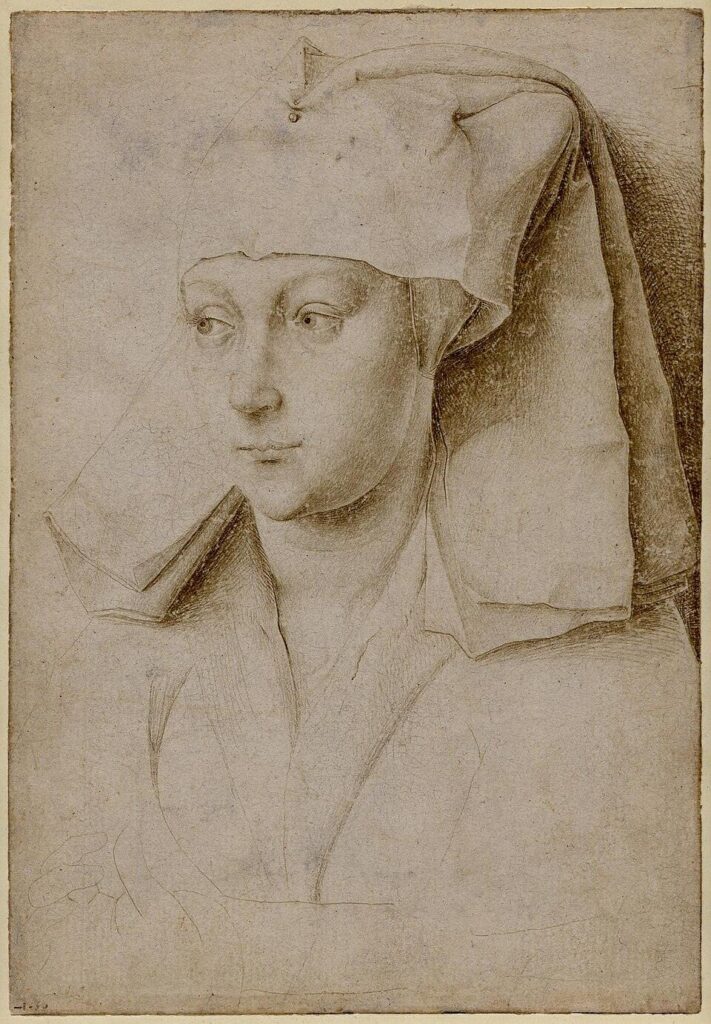
Hundreds of years before museums began treating drawings as works of art in their own right, artists used them much more casually. They were working tools: sketches for paintings, designs for tapestries and stained glass, models kept in workshops, or exercises made by pupils. Once they had served their purpose, there was often little reason to preserve them. As a result, fewer than 600 Netherlandish drawings from the entire fifteenth century are believed to survive today.
One of them is the remarkably delicate Portrait of an Unknown Young Woman, shown here. Made around 1440 in silverpoint, it is the only surviving drawing generally accepted as being by Rogier van der Weyden himself. Recent research at the British Museum has also identified six related drawings as works produced by pupils in Rogier’s workshop, offering a rare glimpse into how one of the great artistic studios of the fifteenth century actually worked.
The exhibition brings together around 110 works spanning two centuries, from about 1400 to 1600, including drawings by Rogier van der Weyden, Lucas van Leyden, Pieter Bruegel the Elder, and Hendrick Goltzius. It is is also the result of five years of research into the British Museum’s extraordinary collection of more than 1,200 Netherlandish drawings made before 1600, many of which had not been systematically studied since 1932. Curators, conservators, and scientists examined materials, techniques, and even watermarks, resulting in new discoveries and several revised attributions.
The Bayeux Tapestry
British Museum, London
September 2026 to July 2027
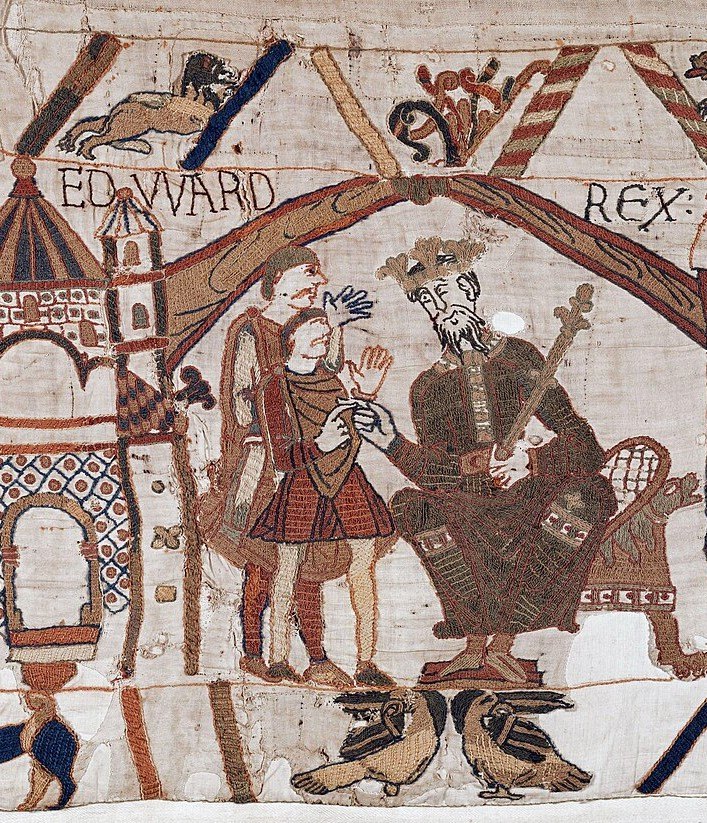
626 people, 190 horses, 35 dogs, 37 trees, 32 ships, 93 penises, and one comet. That is the short version of what awaits at one of the year’s biggest museum events. The nearly 230-foot Bayeux Tapestry will be shown in Britain for the first time in almost a thousand years. Created in the 11th century, the embroidery tells the story of the events leading to the Norman Conquest of England and the Battle of Hastings in 1066.
Getting a ticket for 2026 has already become a quest of its own, and sales for 2027 have not even opened yet.
The 240-page catalog is scheduled for release in October 2026.
James McNeill Whistler
Tate Britain, London
Through September 27, 2026
There is a famous story about James McNeill Whistler and Oscar Wilde that has circulated in art and literary circles for generations. After Whistler made a particularly witty remark, Wilde supposedly said, “I wish I had said that.” Whistler immediately replied, “You will, Oscar, you will.” Whether the exchange actually happened is difficult to prove, but the story has survived for a reason.
Elegant, provocative, vain, sharp-tongued, and endlessly self-confident, James McNeill Whistler was almost as carefully constructed as one of his paintings. He rejected the expectation that a picture needed to tell a story or deliver a moral lesson. Instead, he borrowed the language of music for titles such as Arrangement, Symphony, and Nocturne, emphasizing color, tone, and harmony rather than narrative.
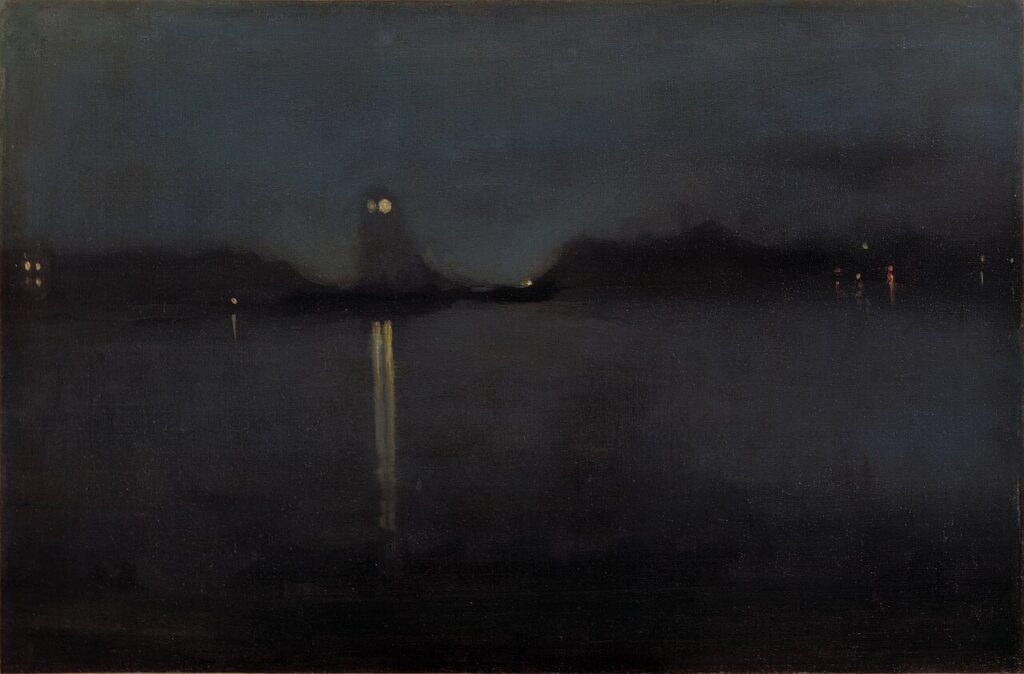
One of those Nocturnes is the painting shown here. Created around 1875–1878, it looks across the Thames toward the Morgan Crucible Company factory in Battersea. Whistler transformed the industrial landscape into something almost dreamlike. To create these hazy later nocturnes, he laid his canvases flat on the floor and worked with extremely thin paint, allowing the image to emerge through layers of diluted color. And this particular painting has an unusual home. Since 1962, Nocturne has belonged to the White House Collection and, before traveling to the exhibition, hung in the Treaty Room. Loans from the White House collection to international exhibitions are rare, which makes its appearance in London particularly special.
The exhibition at Tate Britain brings together about 150 paintings, drawings, prints, and decorative works to explore an artist who spent his career challenging ideas about what art should look like and what it should be expected to say.
This Is Still Not a Pipe: The Afterlife of Magritte
Gagosian, Grosvenor Hill, London
September 24 to December 12, 2026
Magritte’s art may not appeal to everyone, but few can walk past one of his paintings without trying to unravel the peculiar visual riddle inside it. René Magritte created a visual language so recognizable that almost a century later artists are still borrowing it, questioning it, and playing with it. This fall, Gagosian’s London gallery brings together paintings, works on paper, and sculpture from across Magritte’s career, including some of his most familiar subjects. But what makes the project particularly interesting is the company he keeps. His works are shown alongside those of more than forty artists from different generations, many of whom have created new pieces specifically for the exhibition. The result is less a conventional Magritte retrospective than a conversation between the artist and the many ways his strange visual logic continues to reappear in contemporary art.
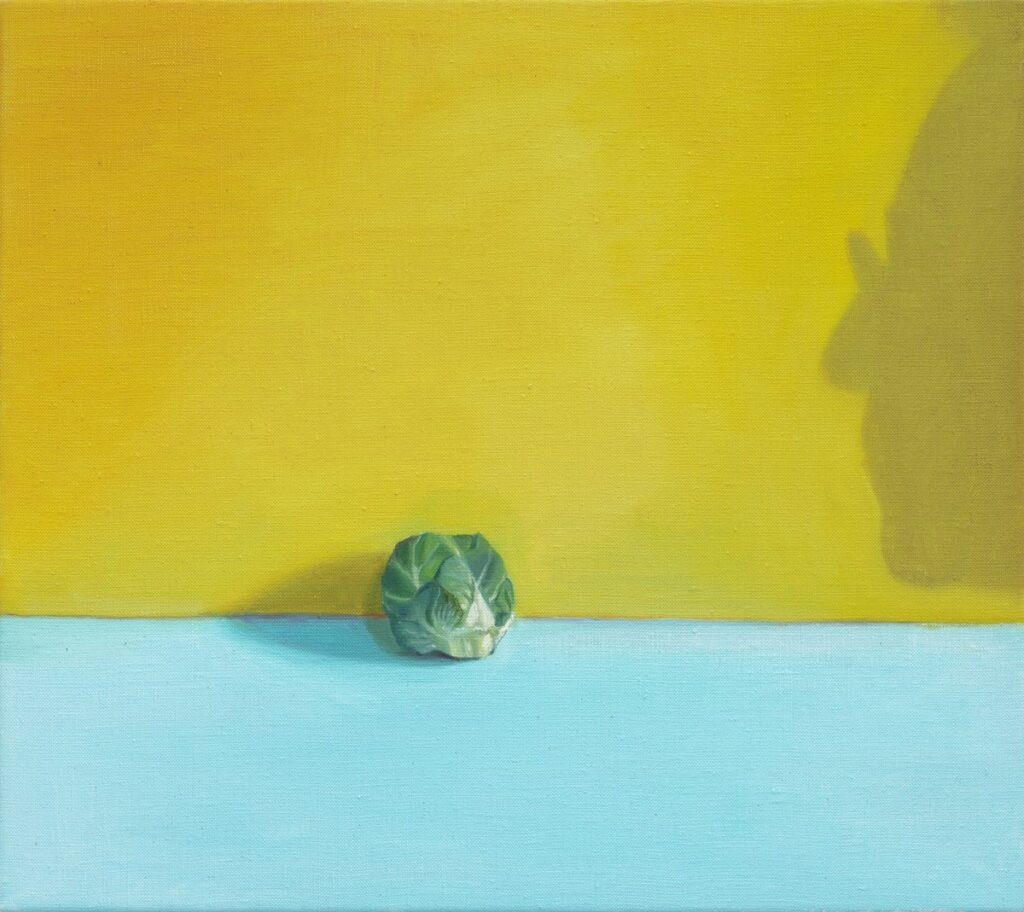
The painting shown here, Allison Katz’s Brussels Sprout (or Philipp) No. 1, was created in 2025, but the Magritte connection hardly needs explaining. A perfectly ordinary cabbage rests against the wall in an eerily empty space, while an inexplicable shadow enters from outside the frame. It is precisely this kind of afterlife that makes the presence of contemporary artists so interesting: instead of simply showing us how influential Magritte was, the exhibition lets us see what other artists have actually done with his ideas.
The exhibition will also be accompanied by a fully illustrated catalog. No further publication details have been announced yet, but this is one we are particularly looking forward to.
Richard Dadd: Beyond Bedlam
Royal Academy of Arts, London
Through October 25, 2026
A promising Royal Academy artist, a journey through Egypt, messages from the god Osiris, the murder of his father, an escape to France, another violent attack, and more than forty years in psychiatric hospitals. Richard Dadd’s biography sometimes reads less like an artist’s life than a Victorian Gothic novel.
Before all this, Dadd had been one of the most promising young artists of his generation. But during an extended journey through Europe and the Middle East in 1842 and 1843, his behavior began to change dramatically. Dadd became convinced that he was receiving messages from the Egyptian god Osiris. Soon after returning to England, he killed his father, whom he believed to be an incarnation of the devil. He fled to France, attacked another man on the way to Paris, was arrested, and eventually returned to England.
Dadd spent the rest of his life in Bethlem and Broadmoor psychiatric hospitals, where he continued to create fantastical, extraordinarily detailed paintings and watercolors rooted in literature, legend, memory, and his own imagination. He returned again and again to places he had seen during his travels, reconstructing landscapes from memory, while also producing portraits and the fantastically detailed fairy paintings for which he is now best known.
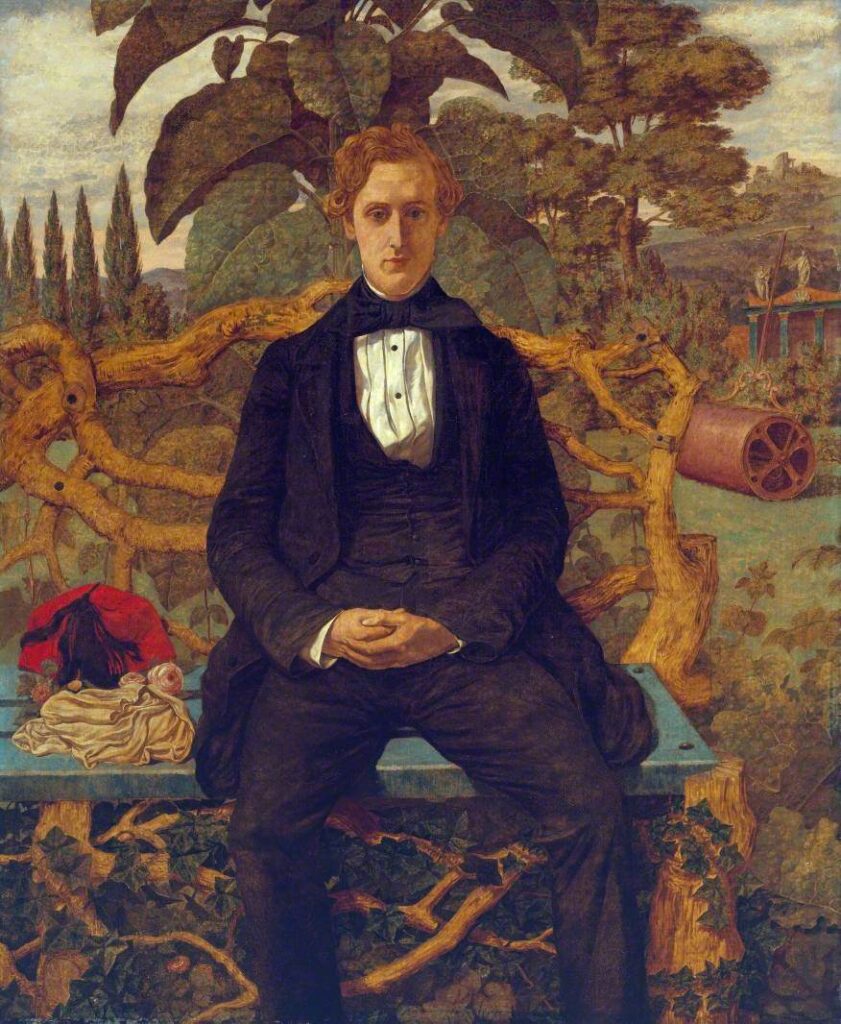
Portrait of a Young Man, painted at Bethlem in 1853, could almost pass for a charming Victorian portrait. The young sitter appears perfectly composed in an imaginary garden, far removed from the crowded fantasy worlds for which Dadd became famous. Only the enormous sunflower looming behind him introduces a slightly unsettling note. Somehow, with Dadd, even a perfectly respectable Victorian portrait cannot remain entirely innocent.
Richard Dadd: Beyond Bedlam brings together more than 100 works spanning these very different sides of the artist, making it the most ambitious exhibition devoted to his work in more than fifty years. The exhibition follows him from his promising early career and travels through the decades spent at Bethlem and Broadmoor, looking beyond the sensational circumstances of his life to the remarkable body of work he continued to produce.
Van Eyck: The Portraits
National Gallery, London
November 21, 2026 to April 11, 2027
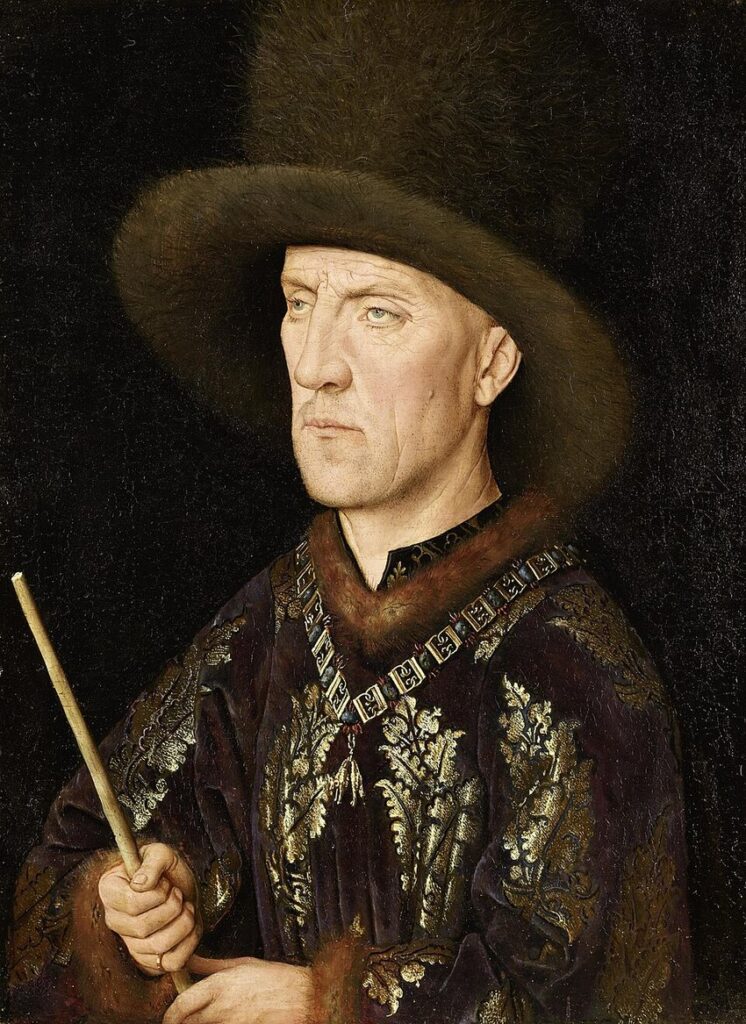
And we are ending our guide with what may well be the cherry on top of the 2026 exhibition season: Van Eyck: The Portraits at the National Gallery in London. We could easily devote an entire article to Jan van Eyck, but this time we will resist the temptation. Instead, here are five facts that explain why this exhibition is such an extraordinary event.
Only about twenty paintings securely attributed to Jan van Eyck survive today, and just nine of them are independent painted portraits. The National Gallery is bringing together all nine in a single exhibition.
Nothing like this has ever happened before. This will be the first exhibition devoted exclusively to Van Eyck’s portraits, and the National Gallery describes their gathering in one place as a one-time event.
For the first time, the famous Arnolfini Portrait will be shown alongside another portrait believed to depict Giovanni Arnolfini. The identification remains debated, which means visitors will have the unusual opportunity to compare the two faces for themselves.
His 1439 portrait of his wife Margaret is the first known dated and identifiable portrait of a non-aristocratic woman, while his probable self-portrait of 1433 may be the earliest self-portrait painted in oils. Both will be shown together in the exhibition.
The exhibition will also include the only surviving portrait drawing accepted as being by Van Eyck, Portrait of an Elderly Man, made around 1438 and normally kept in Dresden. Drawn with silverpoint and goldpoint rather than paint, it offers a rare chance to see Van Eyck’s extraordinary precision stripped of the color and luminous oil technique for which he is famous.
The exhibition is accompanied by the first English-language book devoted entirely to Van Eyck’s portraits, published by National Gallery Global. The catalog is scheduled for release in the United States in winter 2027, and this is definitely one we will be waiting for. And with that, we are closing our 2026 European exhibition guide. Although, judging by the number of new exhibitions museums keep announcing, we suspect this may not actually be the end.
Exhibition calendar
27 Mar 2026
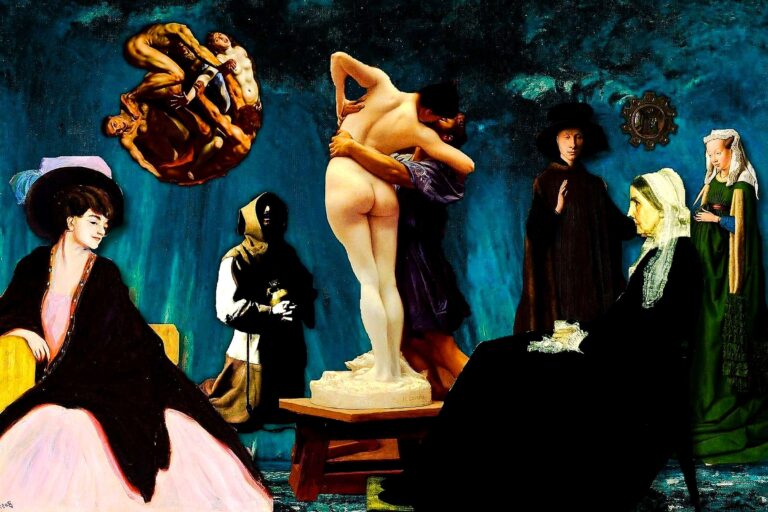
A Guide to Major European Art Exhibitions in 2026
This year is shaping up to be an especially engaging and curious museum season…
Art news
03 Oct 2025
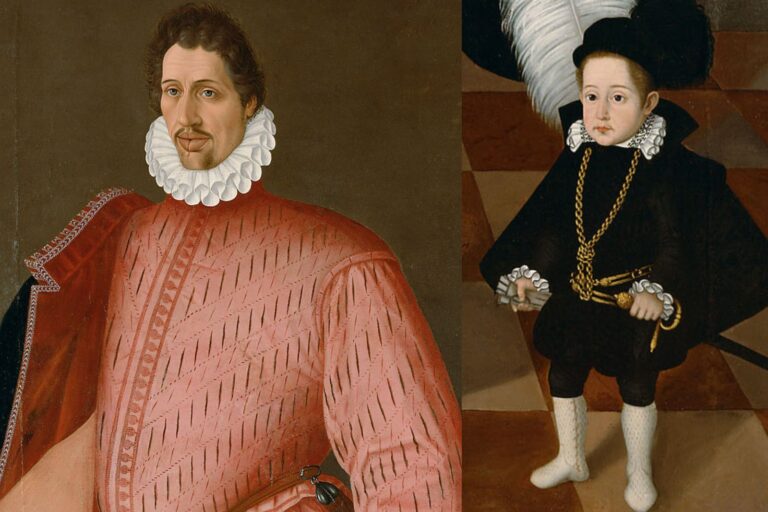
Double Portrait of a Giant and a Dwarf
“Dwarfs” and “giants” were long seen as curiosities of nature. In the Middle Ages…
Exhibition highlights
10 Jun 2026
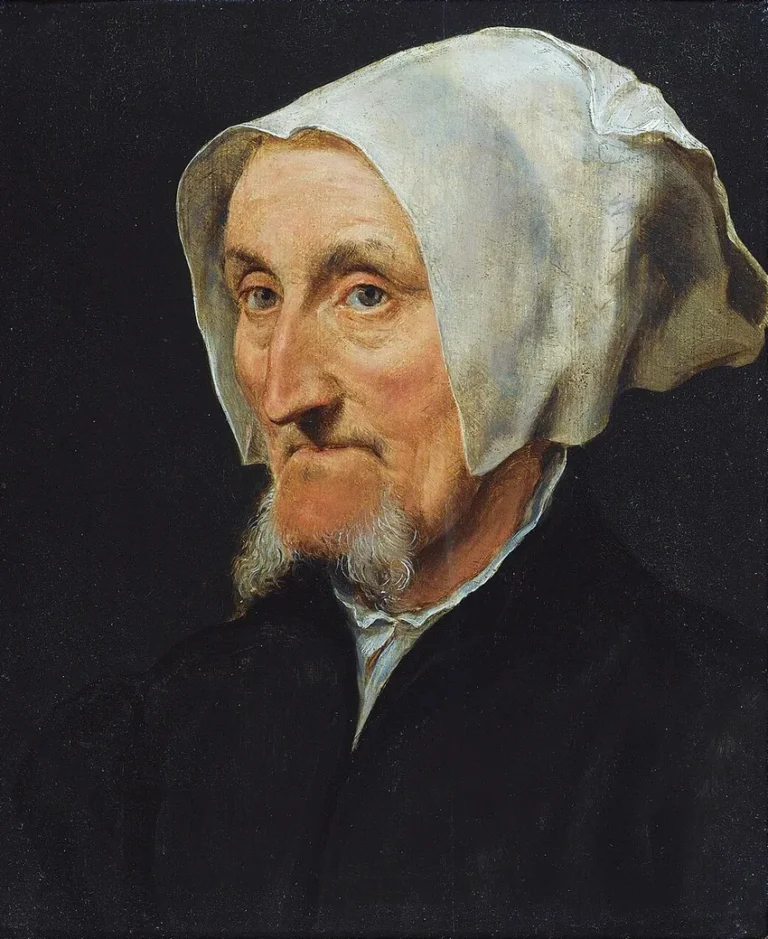
The Mysteries of the Bearded Woman’s Portrait
Through June 14, Brussels is hosting Bellezza e bruttezza, an exhibition exploring ideas of…
Best catalogs
Picasso: Tête-à-Tête
$70.00
Les Mondes de PAUL DELVAUX / The Worlds of Paul Delvaux
$80.55
Avant-Garde: Max Liebermann and Impressionism in Germany
$42.00
Étretat, par-delà les falaises: Courbet, Monet, Matisse
$88.00
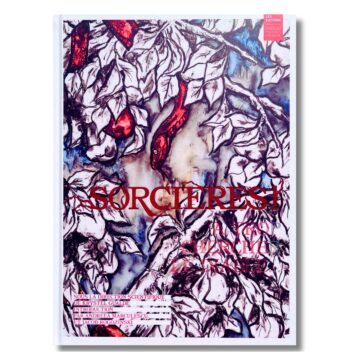
Sorcières ! À trop chercher le Diable…
$78.00

Bruegel and Beyond: Netherlandish Drawings in the Royal Library of Belgium
$89.00
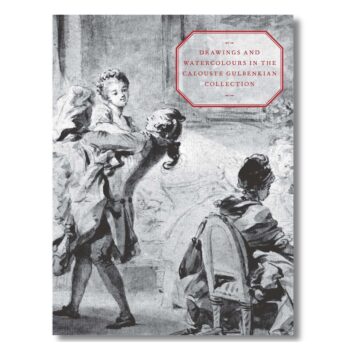
Drawings and Watercolours in the Calouste Gulbenkian Collection
$45.00
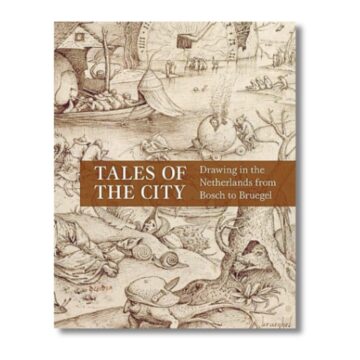
Tales of the City: Drawing in the Netherlands from Bosch to Bruegel
$67.00
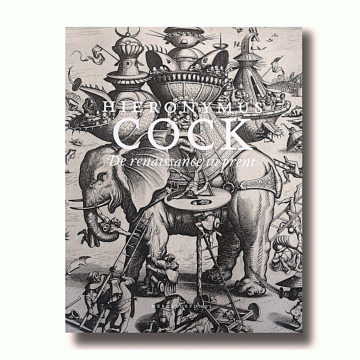
Hieronymus Cock. De renaissance in prent
$105.00