

A Guide to Major European Art Exhibitions in 2026
This year is shaping up to be an especially engaging and curious museum season across Europe. Across the continent, major museums are preparing large-scale exhibitions organized around specific ideas rather than traditional retrospectives. Many projects focus on themes such as color, myth, the body, nature, or identity. This shift reflects a broader change in how museums approach exhibition making today and how familiar stories from art history are revisited for contemporary audiences.

This overview brings together selected highlights of European art exhibitions in 2026. It does not aim to be comprehensive, as many museums continue to announce both major and more intimate projects throughout the year. Even so, it is already clear that this European exhibition season offers plenty of reasons to start planning museum trips and perhaps packing a suitcase earlier than expected.
Austria
Gustave Courbet
Leopold Museum, Vienna
February 19 to June 21, 2026

This large-scale retrospective, the first monographic exhibition of Courbet in Austria, spans his full career and brings together major groups of paintings and works on paper. It is a chance to see the “rebel of realism” in all his contradictions, from manifesto-like scenes and landscapes to works that challenged what could and could not belong in a museum. The exhibition makes clear just how disruptive Courbet’s realism once was. And yes, the scandalously famous painting The Origin of the World will also be on view.
Canaletto and Bernardo Bellotto
Kunsthistorisches Museum, Vienna
March 24 to September 6, 2026
Between eighty and one hundred city views of Venice, London, and Vienna bring Canaletto and his nephew Bellotto into direct conversation. The exhibition reveals how two closely connected artists produced strikingly different visions of the eighteenth-century metropolis. It also reminds us how deeply their images continue to shape the way we imagine these cities today.
France
Leonora Carrington
Musée du Luxembourg, Paris
February 18 to July 19, 2026
The Musée du Luxembourg in Paris presents the first major retrospective of Leonora Carrington in France, bringing together paintings, works on paper, and sculpture that draw viewers into her strange and mythic surrealist worlds. Although a large Carrington exhibition was shown the previous year at the Palazzo Reale in Milan, the Paris presentation is conceived as an independent project, with a different curatorial approach and a partially different selection of works. The focus here is on Carrington’s visionary, feminist, and esoteric imagination as a bridge between visible and invisible realms, rather than on her ties to Italy. For those following how museums are reshaping the surrealist canon through the work of women artists, this Paris chapter stands on its own and should not be seen simply as a reprise of the Milan show.
Unicorns
Musée de Cluny, Paris
March 10 to July 12, 2026
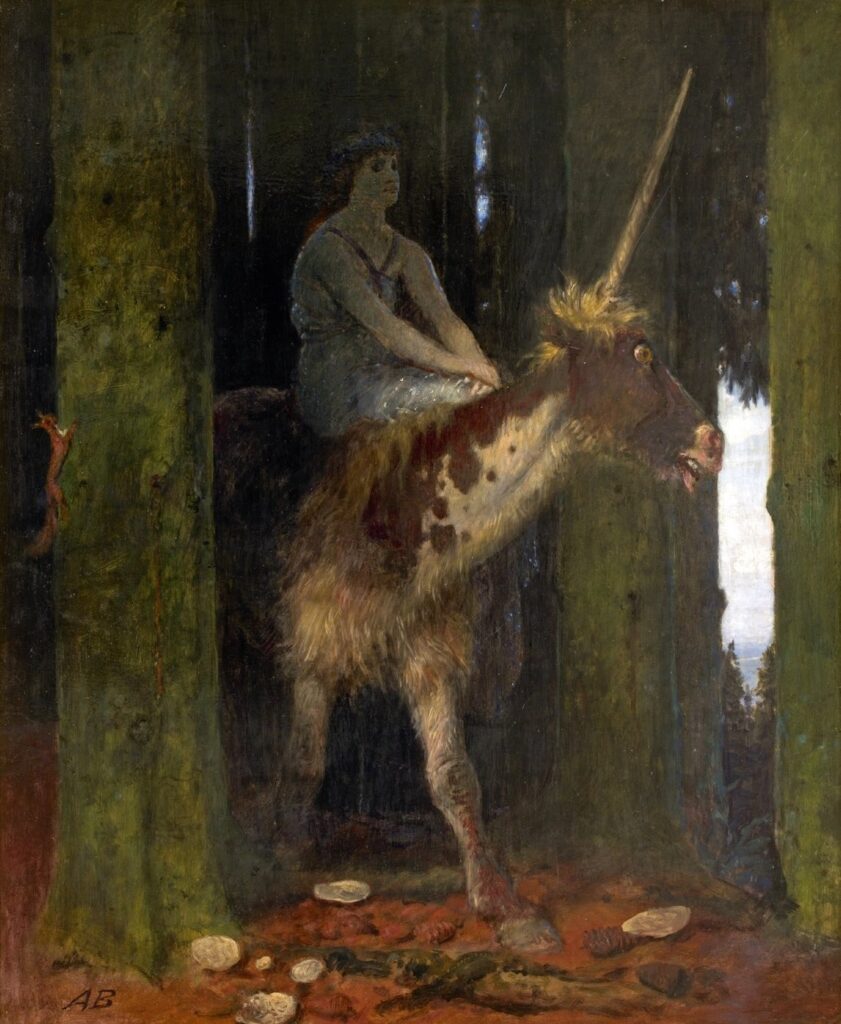
Around one hundred objects from European collections, ranging from medieval relics to contemporary works, explore the unicorn as both a mythical and political symbol. Previously shown in Germany, the Paris presentation unfolds within the Gothic spaces of the Musée de Cluny, a setting that deepens the layered history of this “impossible” creature. The exhibition is both unexpectedly rich and surprisingly relevant.
Matisse. 1941–1954
Grand Palais, Paris
March 24 to July 26, 2026
More than 230 works, including paintings, drawings, books, textiles, stained glass, and the famous cut-outs, focus on the final and most radical years of Matisse’s career. The exhibition traces how, late in life, he reinvented color and form, from Jazz to The Sorrows of the King and the Blue Nudes. It makes a strong case for seeing these years not as a late afterword, but as a true high point.
Martin Schongauer
Musée du Louvre, Paris
April 8 to July 20, 2026
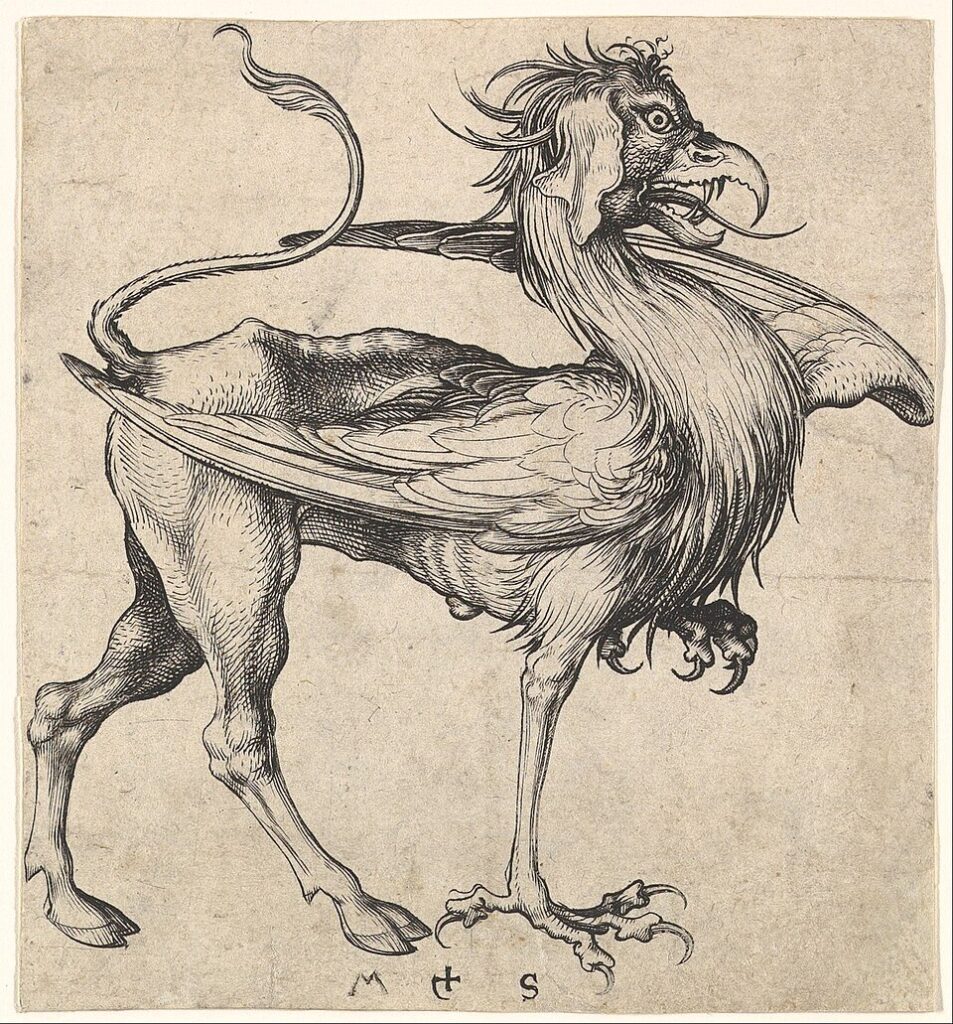
Martin Schongauer was one of the leading masters of the late Gothic and early Northern Renaissance, best known as an exceptional printmaker in the generation before Albrecht Dürer. He elevated copper engraving to the level of an independent art form, producing finely detailed prints that circulated widely across Europe and helped shape the visual language of the fifteenth century. Building on this legacy, the exhibition brings together around one hundred works, including nearly all paintings attributed to Schongauer, rare drawings, an exceptional group of prints, and works by his followers from the fifteenth to the seventeenth century.
Michelangelo and Rodin
Musée du Louvre, Paris
April 15 to July 20, 2026
Last year, the Musée d’Orsay set a high bar with its exhibition of sculptures by Paolo Troubetzkoy. In 2026, the Louvre picks up the baton and turns to a far more monumental sculptural dialogue between Michelangelo and Rodin. Dozens of marble and bronze sculptures, along with plaster works, terracottas, and drawings, are presented across five sections as a direct encounter between two giants of Western sculpture. Seeing their works side by side allows for close comparison of their approaches to the body, fragmentation, and movement, making this one of those exhibitions best experienced slowly and in person.
Tintoretto
Musée Jacquemart-André, Paris
September 11, 2026 to January 24, 2027
The Jacquemart-André Museum in Paris presents a major retrospective of Tintoretto, bringing together significant works from different periods of his career. The curators focus not only on his explosive style, use of light, and dramatic intensity, but also on Tintoretto’s influence on nineteenth-century French painting. This exhibition is where Venetian Baroque energy meets a distinctly French reading, offering a rare opportunity to encounter Tintoretto outside Venice in an intimate, almost domestic setting.
More Paris Highlights
Several additional Paris exhibitions in 2026 read like the next stops on a European and North American itinerary. Henri Rousseau. The Ambition of Painting arrives at the Orangerie following its run at the Barnes Foundation in the United States. Giovanni Segantini will be shown at the Musée Marmottan Monet from April 29 to August 16, 2026. Zurbaran comes to the Louvre as part of a tour announced in collaboration with the National Gallery in London.
Italy
Symbolism in Italy. Origins and the Development of a New Aesthetic, 1883–1915
Fondazione Magnani-Rocca, Parma area (Mamiano di Traversetolo)
March 14 to June 28, 2026
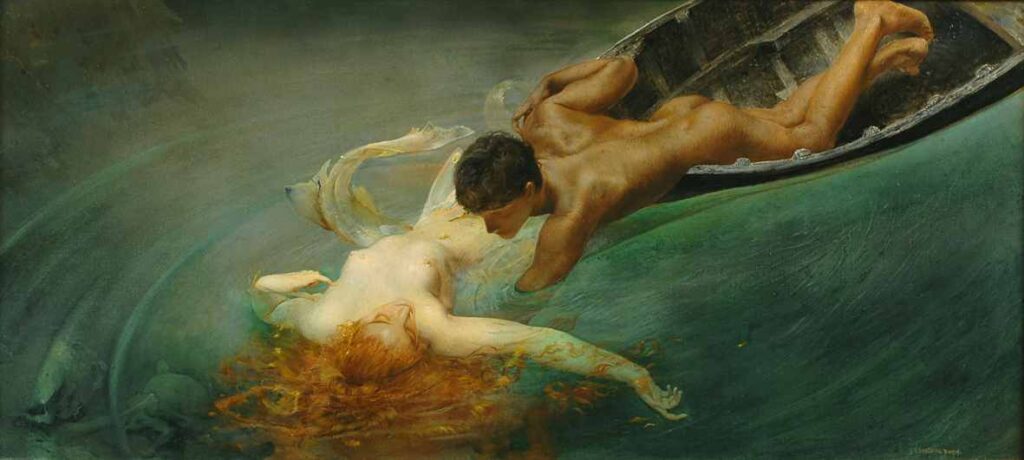
Fondazione Magnani-Rocca presents one of the most substantial exhibitions of Italian Symbolism in recent years, bringing together more than 140 works of painting, sculpture, and works on paper. The exhibition traces the emergence of Symbolism in Italy as an independent visual language and explores its dialogue with broader European movements, from the Pre-Raphaelites to French and Central European culture. It invites visitors to experience Symbolism as a rich and self-contained artistic world, rather than a marginal chapter in European art.
Baroque. The Great Theater of Ideas
Musei di San Domenico, Forlì
February 21 to June 28, 2026
Where else should you look at Baroque art, if not in Italy? Last year, Italy presented Baroque on a grand scale in Rome. The exhibition Global Baroque at the Scuderie del Quirinale explored papal Rome in the age of Bernini as a global crossroads where people, objects, and images from across the world converged, and where Baroque emerged as the visual language of Catholic globalization. We have the exhibition catalog available here for those who wish to explore that project in greater depth.
The exhibition announced for 2026, Baroque. The Great Theater of Ideas, at the Museo San Domenico in Forlì takes a different, more expansive and visually driven approach. Bringing together works spanning nearly two centuries from major museums, it presents Baroque as a vast European stage of ideas, encompassing religion, politics, science, illusion, and beyond. While the Roman project focused on a single city and its global connections, the Forlì exhibition offers a broader range of artists and a longer historical sweep, presenting Baroque not only as a style, but as a way of thinking.
Liberty. Art of Modern Italy
Palazzo Martinengo, Brescia
January 24 to June 14, 2026
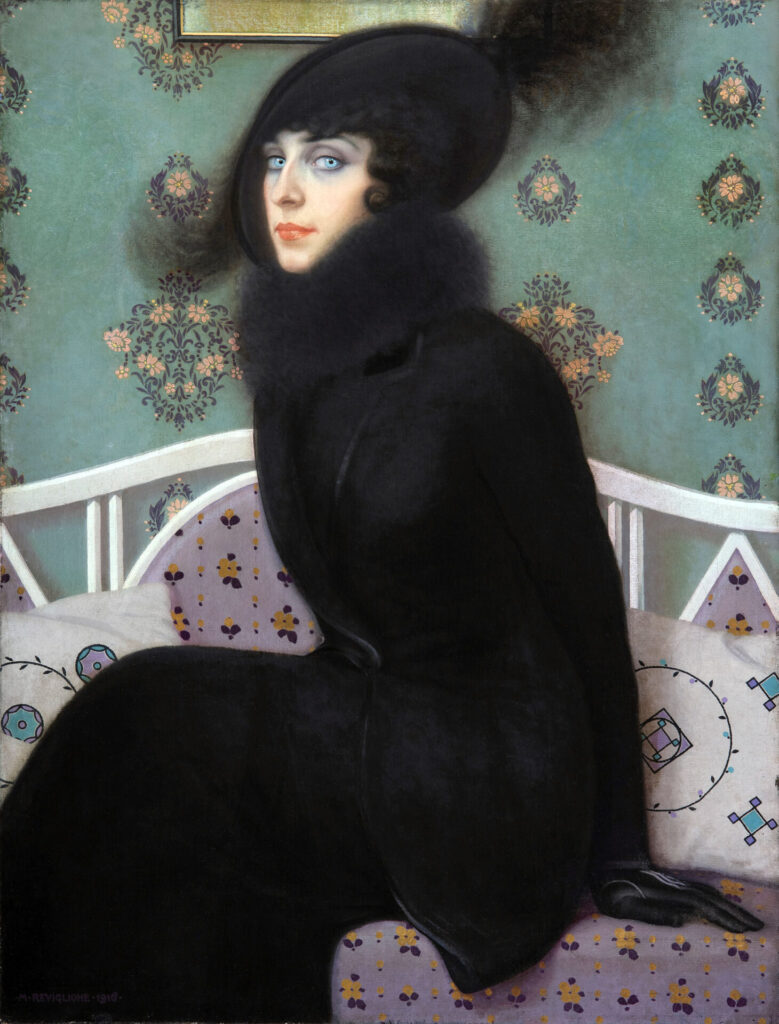
Palazzo Martinengo in Brescia dedicates an exhibition to Italian Art Nouveau, spanning the period from the late nineteenth century to the early decades of the twentieth century. More than one hundred works show how Art Nouveau took shape not only in painting, but also in sculpture, works on paper, fashion, photography, and the decorative arts. The project offers a cohesive view of an era in which ornament and modernity developed side by side.
Tarot. Origins, Cards, Destiny
Accademia Carrara, Bergamo
February 27 to June 2, 2026
The exhibition Tarot. Origins, Cards, Destiny at Accademia Carrara traces the history of tarot from its origins in fifteenth-century Italy to its transformation into a complex symbolic system. Bringing together rare early decks and related works, the exhibition explores tarot as a product of Renaissance court culture, visual imagination, and artistic exchange. The focus is firmly on Italy, where tarot first emerged as both a game and a language of images. The project highlights the artistic quality of the cards as well as their cultural meanings over time. From June 26 to October 4, the exhibition will continue at the The Morgan Library & Museum in New York under a different curatorial emphasis, shifting the focus toward symbolism, interpretation, and tarot’s modern afterlives.
Mark Rothko
Palazzo Strozzi, Florence
March 14 to July 26, 2026
Palazzo Strozzi is organizing one of the largest retrospectives of Mark Rothko ever shown in Italy. The exhibition brings together works from the 1930s through the 1970s, including large scale paintings, many of which have never been exhibited in Italy before. The display follows a chronological structure, allowing visitors to trace the full arc of the artist’s evolution over these decades. The exhibition also explores Rothko’s engagement with Renaissance art and extends beyond the palace itself. Selected works will be presented at the Museo di San Marco in dialogue with frescoes by Fra Angelico, while others will appear at the Biblioteca Medicea Laurenziana alongside compositions by Michelangelo. We would call this an art world exhibition of the year contender, and without question one of our top priorities to see.
Van Dyck. The European. From Antwerp to Genoa and London
Palazzo Ducale, Genoa
March 20 to July 19, 2026
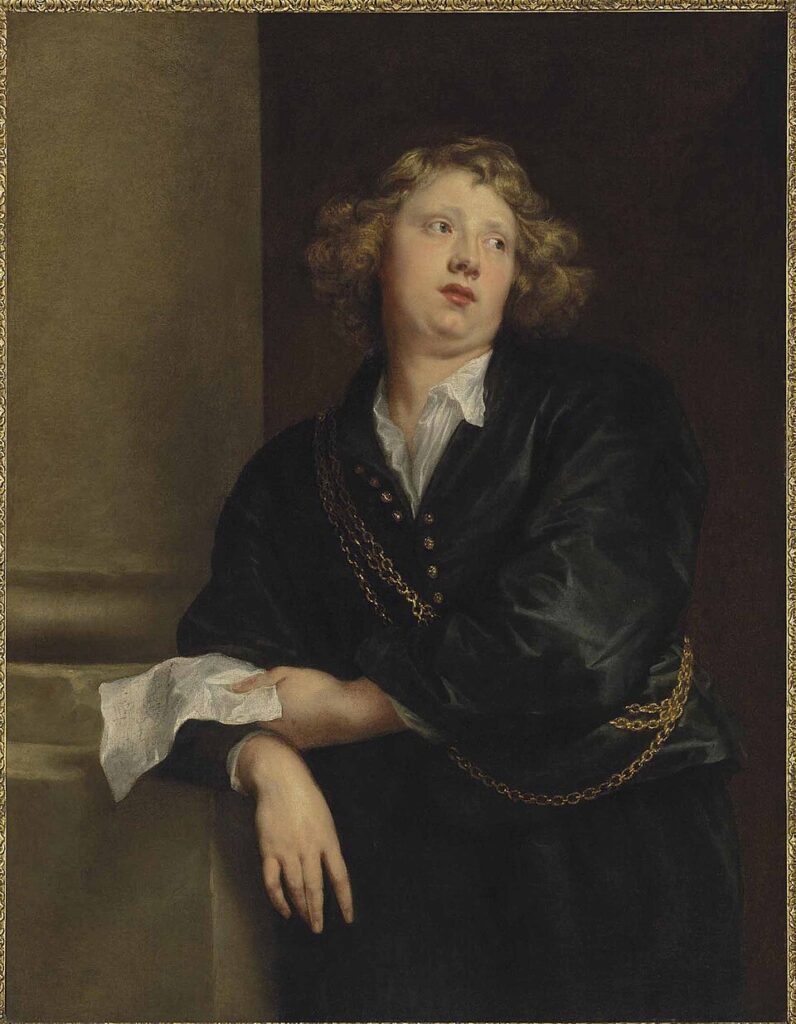
Palazzo Ducale in Genoa is preparing the most extensive retrospective of Anthony van Dyck to be held in the past twenty-five years. The exhibition focuses on his European career, with particular attention to the Genoese period, which played a decisive role in shaping his grand portrait style. Conceived as a major international scholarly reassessment of the artist, the project brings together more than fifty paintings from thirty-two art institutions worldwide.
The exhibition is organized into ten thematic sections and traces Van Dyck’s artistic path through three defining cities, from youthful self portraits in Antwerp to the aristocratic Genoese masterpieces of the years 1621 to 1627 that secured his reputation, and finally to the royal commissions for Charles I in London, without adhering to a strict chronological order. Local Genoese collections from Palazzo Rosso and Palazzo Bianco enrich the narrative by highlighting the transformative role of Italy in his life, making this exhibition a comprehensive overview of the most cosmopolitan portrait painter of the European Baroque.
Magnifico 1492
Gallerie degli Uffizi, Florence
Autumn 2026
In 1492, Lorenzo de’ Medici, known as “the Magnificent,” died, leaving behind what was arguably the most significant art collection in Italy at the time. The collection included more than one hundred objects, among them paintings, sculpture, decorative works, coins, manuscripts, and maps. In autumn 2026, the Gallerie degli Uffizi will open an exhibition dedicated to Lorenzo the Magnificent and his collection. The project aims to present the most complete reconstruction of the collection to date. Rather than a conventional biographical exhibition, it seeks to reconsider a pivotal moment in the history of European collecting. The curators have also announced that paintings from one of the most important early Renaissance cycles, now dispersed among museums worldwide, will be reunited for the exhibition. The identity of the cycle will be revealed only at the opening.
Netherlands
Metamorphoses
Rijksmuseum, Amsterdam
February 6 to May 25, 2026
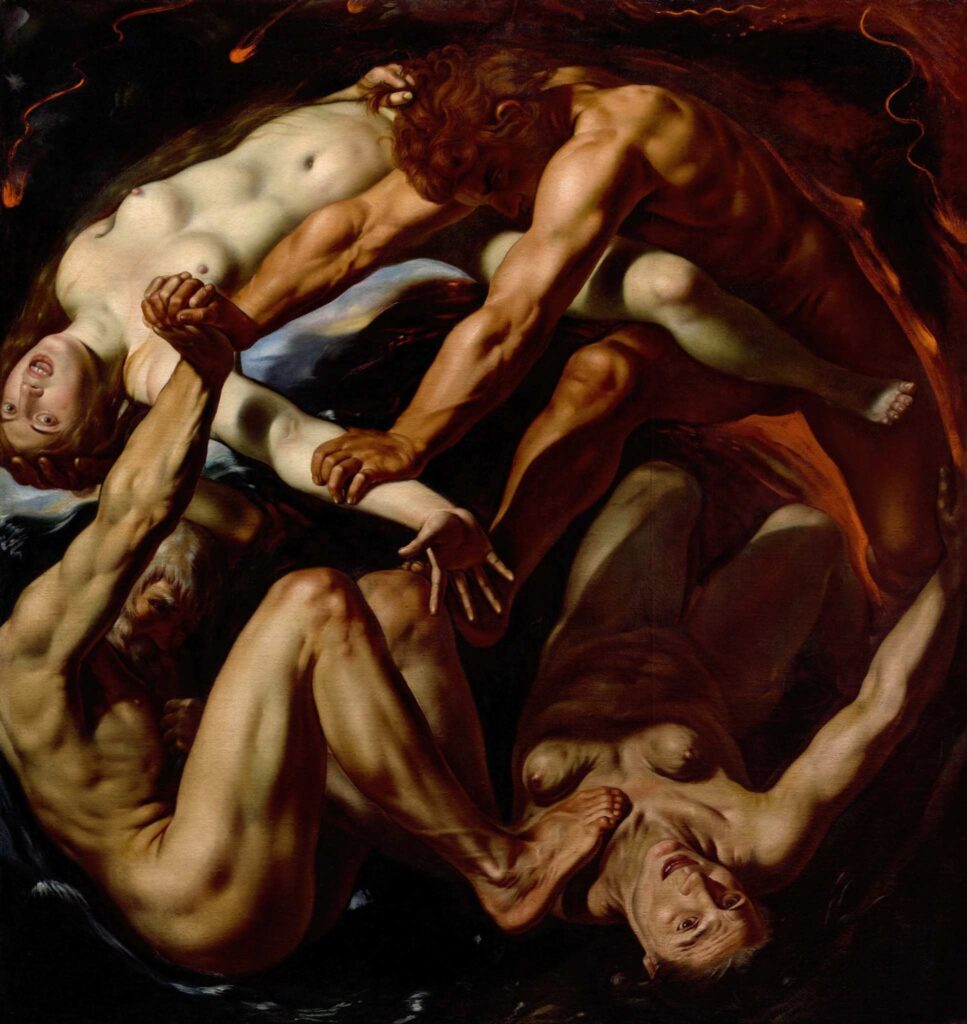
The Rijksmuseum presents one of the season’s most concept-driven projects, built around Ovid’s Metamorphoses and the theme of transformation in art. Classical myths serve as a unifying thread, running across centuries from Old Master painting to later visual interpretations. The exhibition brings together more than eighty masterpieces from museums and private collections worldwide, spanning several centuries from Titian, Correggio, and Caravaggio to Auguste Rodin, Constantin Brancusi, René Magritte, and Louise Bourgeois. After its presentation in Amsterdam, the exhibition will travel to Italy, where it will be shown in the summer at the Galleria Borghese.
Yellow. Beyond Van Gogh’s Color
Van Gogh Museum
February 13 to May 17, 2026
This exhibition offers an unconventional way of looking at yellow in Vincent van Gogh’s work, treating the color not as a symbol but as an experience. The curators invite visitors to imagine yellow as something that can be heard, smelled, and felt, before tracing how it unfolds across the artist’s practice and its wider cultural context around 1900. The exhibition concludes with an immersive light installation by Olafur Eliasson, presented in the Netherlands for the first time, offering a physical and sensory encounter with yellow.
London Calling
Kunstmuseum Den Haag
February 14 to June 7, 2026
Francis Bacon, Lucian Freud, David Hockney, and many others appear in a thoughtful exhibition at the Kunstmuseum in The Hague devoted to the School of London and postwar British figurative painting. The exhibition centers on the body, the gaze, and human presence during a period of major social and psychological change. It also expands the established canon by bringing forward artists who have long remained at the margins of art history.
BIRDS. Curated by The Goldfinch and Simon Schama
Mauritshuis, The Hague
February 12 to June 7, 2026

The Mauritshuis builds its exhibition around The Goldfinch by Carel Fabritius, turning the motif of birds into a layered cultural subject. Rather than a decorative theme, the exhibition frames birds as a way to think about freedom, vulnerability, collecting, and the human gaze on nature. Art historian Simon Schama presents birds from around the world through works by Leonardo da Vinci, Rembrandt, Pablo Picasso, Henri Matisse, Tracey Emin, Iris van Herpen, and many others.
Frans Hals and Rembrandt
Frans Hals Museum, Haarlem
November 5, 2026 to February 28, 2027
The Frans Hals Museum proposes a direct dialogue between two central figures of the Dutch Golden Age, Frans Hals and Rembrandt. The exhibition brings together unexpected pairings of their works, including group portraits of civic guards and portraits of regents and regentesses, women who held official roles in public institutions. The museum has announced that advance online ticket reservations are required due to expected high attendance. Booking ahead is strongly advised, as this exhibition fits naturally into an Amsterdam and The Hague itinerary while adding a strong historical anchor to the route.
Spain
Vilhelm Hammershøi
Museo Nacional Thyssen-Bornemisza, Madrid
February 17 to May 31, 2026
Museo Thyssen-Bornemisza presents the first major retrospective of Vilhelm Hammershøi ever held in Spain, bringing together around one hundred works, including paintings and drawings. The exhibition centers on his distinctive interiors and muted palette, where silence and emptiness become the primary means of expression. It also places the artist within a broader European context, tracing his dialogue with the Old Masters and a modernist approach to space.
Anders Zorn
Fundación MAPFRE, Madrid
February 19 to May 17, 2026
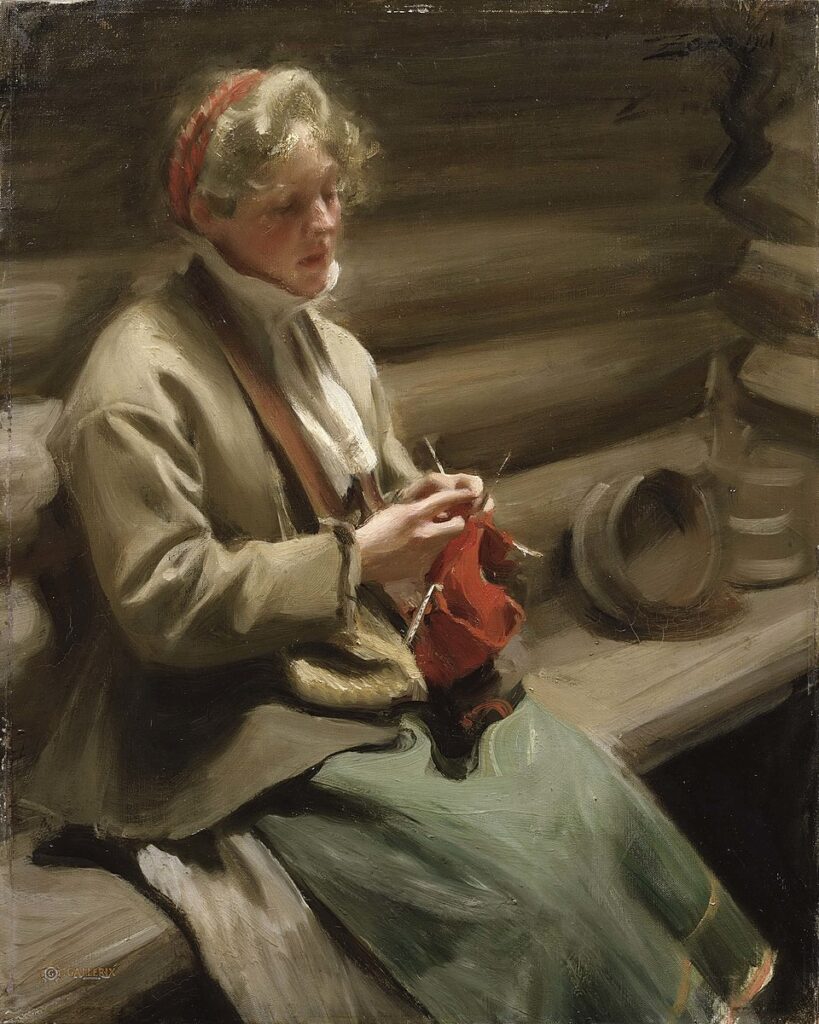
Fundación MAPFRE presents a major international retrospective of Anders Zorn, one of the most celebrated Scandinavian painters of the late nineteenth and early twentieth centuries. The exhibition traces his career from early watercolors to mature portraits and landscapes. It highlights the dual nature of his art, moving between a cosmopolitan artist of the Gilded Age and a painter deeply connected to the landscapes and cultural traditions of Scandinavia.
In Madrid, several important exhibitions will also remain on view through the spring, including Maruja Mallo at the Museo Nacional Centro de Arte Reina Sofía and Anton Raphael Mengs at the Museo del Prado. The Prado has yet to announce a dedicated program or its main exhibition highlight for 2026, and official updates are still pending.
Switzerland
Cézanne
Fondation Beyeler, Basel
January 25 to May 25, 2026
Around eighty paintings and watercolors focus on Cézanne’s late and most radical period, from the Mont Sainte-Victoire series to his final bathers. This is a rare opportunity to see major museum and private works by an artist whom Picasso famously called “the father of us all.” The exhibition reads less like a traditional survey and more like a close encounter with Cézanne at a moment when painting itself was being rethought.
The First Homosexuals
Kunstmuseum Basel
March 7 to August 2, 2026
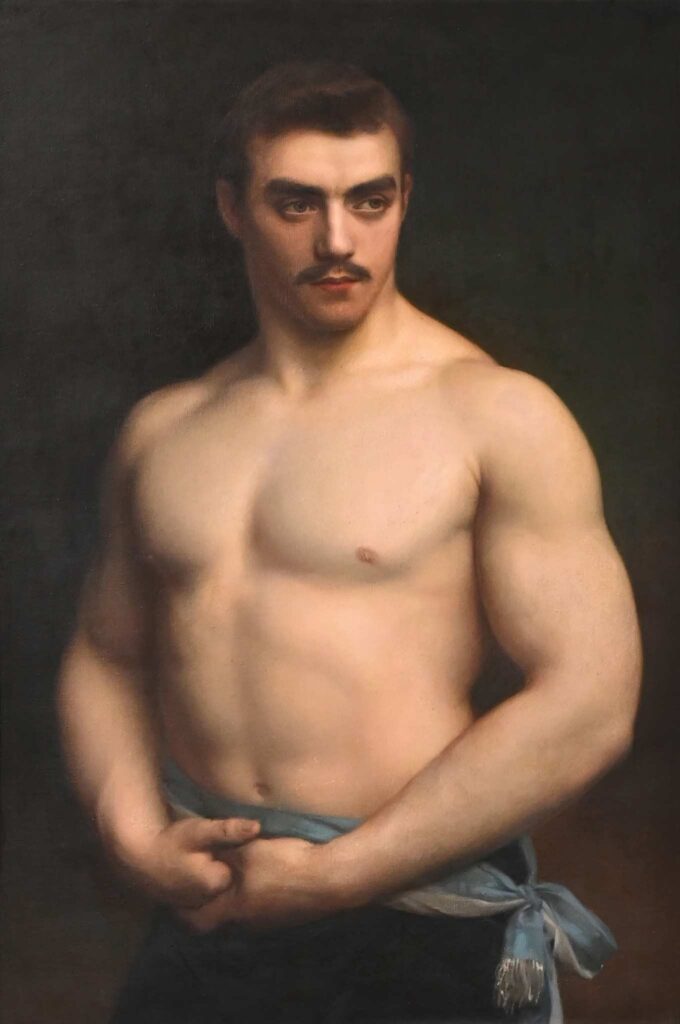
This major historical survey reframes how same-sex desire and identity have been represented and coded in art. Nearly one hundred works, including painting, drawing, sculpture, and photography, trace early expressions of gender diversity from 1869 onward. Previously shown in the United States, the Basel presentation expands the project with works from local collections, adding depth and historical resonance. The exhibition stands as a significant chapter in the visual history of LGBTQ+ lives and self-representation.
United Kingdom
Georges Seurat. Seurat and the Sea
Courtauld Institute, London
February 13 to May 17, 2026
The Courtauld Gallery presents the first exhibition in the United Kingdom devoted entirely to Georges Seurat’s seascapes. Bringing together around twenty-seven paintings, sketches, and drawings, the show explores how Seurat developed his Neo-Impressionist technique by translating sky, sea, and harbor scenes into fields of light and color. It offers a rare opportunity to focus on a side of his work that is usually overshadowed by his large-scale compositions.
Francisco de Zurbarán
National Gallery, London
May 2 to August 23, 2026
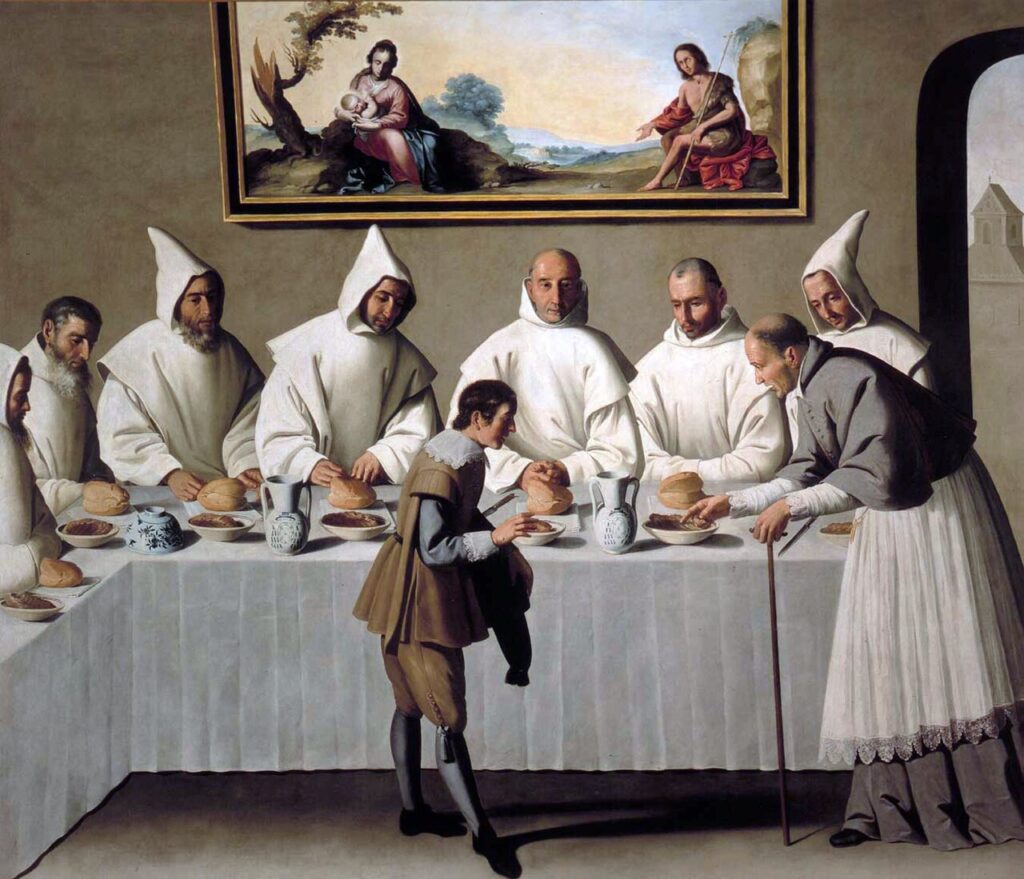
One of the most anticipated exhibitions of the spring season, this will be the first major monographic Zurbarán exhibition ever held in the United Kingdom. Nearly fifty paintings from international collections trace the artist’s career from early religious scenes to mature works marked by dramatic light and striking physical presence. After London, the exhibition will travel to the Louvre in Paris and conclude its tour at the Art Institute of Chicago.
James McNeill Whistler
Tate Britain, London
May 21 to September 27, 2026
Tate Britain presents a major exhibition devoted to Whistler, one of the defining figures of nineteenth-century art. Focusing on his tonal painting and famous nocturnes, the exhibition will be among the largest Whistler retrospectives in Europe in decades. It revisits his experiments with light, color, and atmosphere that continue to shape artistic thinking today.
Frida Kahlo
Tate Modern, London
June 25, 2026 to January 3, 2027
Tate Modern offers an in-depth look at Frida Kahlo’s work, centered on her visual language, identity, and the body. The exhibition shows how her self-portraits and symbolic imagery form a distinctive world where politics, physical experience, and emotion are inseparable. It is set to be one of Tate Modern’s key projects of the year.
The Bayeux Tapestry
British Museum, London
Autumn 2026 to Summer 2027
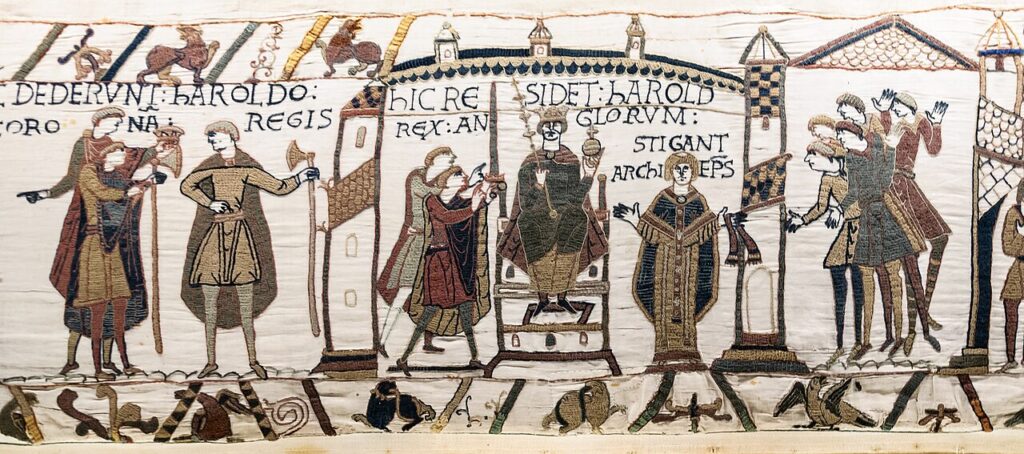
Since last year, the art world has been abuzz with debate over the temporary move of the Bayeux Tapestry from France to Britain as part of a cultural exchange. The transfer is now confirmed, marking a historic moment for London. The famous seventy-meter medieval embroidery will be shown in Britain for the first time in nearly nine hundred years. Depicting the Norman Conquest of 1066 across fifty-eight scenes, it combines visual storytelling with extraordinary medieval craftsmanship.
More London Highlights
London’s 2026 exhibition calendar also extends well beyond the canon. Tate Modern presents Tracey Emin. A Second Life, featuring more than ninety works across installation, neon, and textile. The National Portrait Gallery opens Catherine Opie. To Be Seen, surveying three decades of photographic portraiture. At Serpentine North, new works by David Hockney will be on view, including a ninety-meter frieze inspired by the Bayeux Tapestry.
Exhibition calendar

31 Dec 2025
Art Exhibitions We Loved This December
Most of this season’s blockbuster exhibitions began their march back in October, accompanied by…
Art news
03 Oct 2025
Double Portrait of a Giant and a Dwarf
“Dwarfs” and “giants” were long seen as curiosities of nature. In the Middle Ages…
Best catalogs
Global Baroque
$92.00
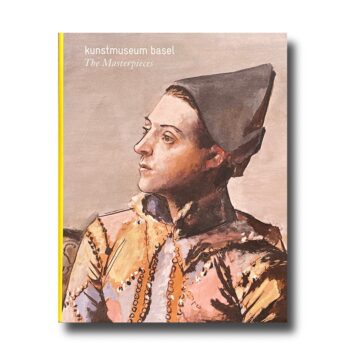
Kunstmuseum Basel: The Masterpieces
$123.50
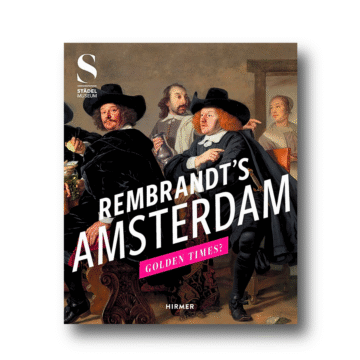
Rembrandt’s Amsterdam: Golden Times?
$40.00
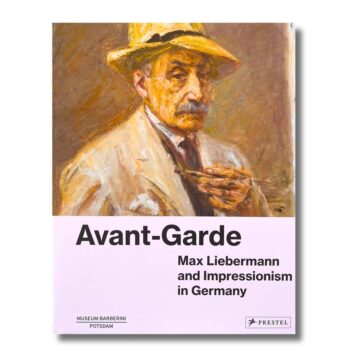
Avant-Garde: Max Liebermann and Impressionism in Germany
$42.00

Vilhelm Hammershøi: Silence
$25.00
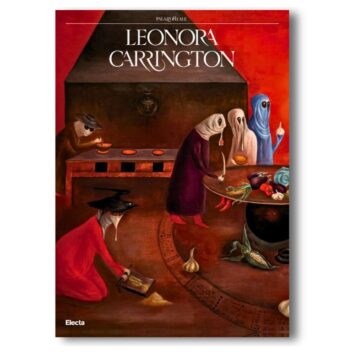
Leonora Carrington
$81.00

Masterpieces from the Leopold Museum
$78.00

Renoir Drawings
$40.00