

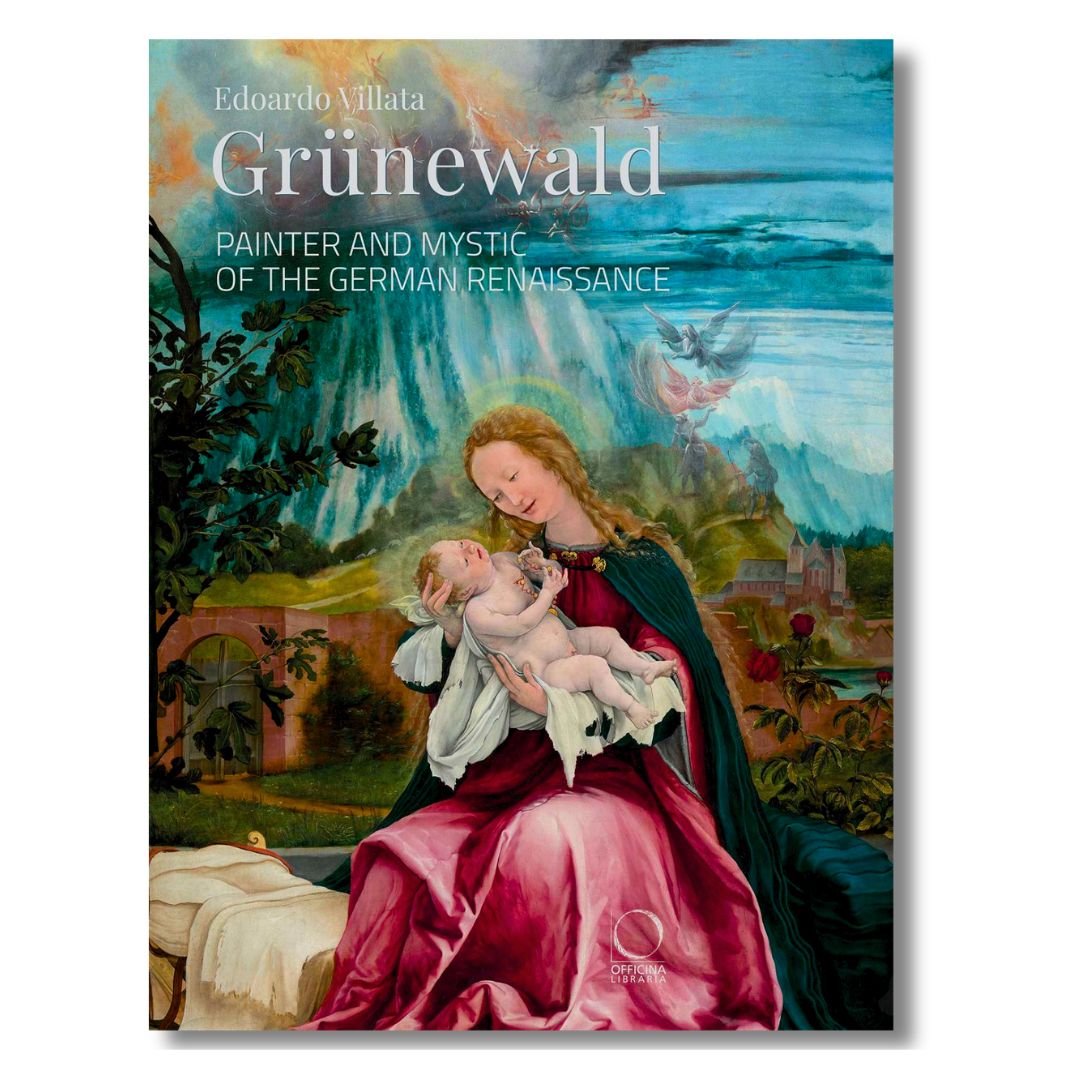
This rigorous art history monograph offers a fresh reassessment of Matthias Grünewald, one of the most enigmatic figures of the German Renaissance. Drawing on significant archival discoveries and renewed iconographic analysis, the study repositions Grünewald within the artistic and intellectual landscape of his time.
Moving beyond established interpretations, the author integrates documentary research, stylistic analysis, and comparative methodology to reconsider Grünewald’s artistic development and network of influences. Particular attention is given to the broader cultural and religious context of early sixteenth century Germany, illuminating how sculpture, theology, and regional artistic exchanges shaped the painter’s visual language.
Among the study’s most important contributions is the reassessment of figures connected to the Isenheim Altarpiece and the reconsideration of sculptural and workshop relationships that have long remained understudied. By situating Grünewald within a dynamic system of artistic production rather than isolating him as a solitary genius, the book challenges prevailing narratives in Renaissance art history.
Substantial in scholarship and methodologically precise, this art book represents an indispensable contribution to German Renaissance studies. It is essential reading for libraries, researchers, collectors, and specialists engaged with Renaissance painting, iconography, and historiography.







Reviews
There are no reviews yet.