

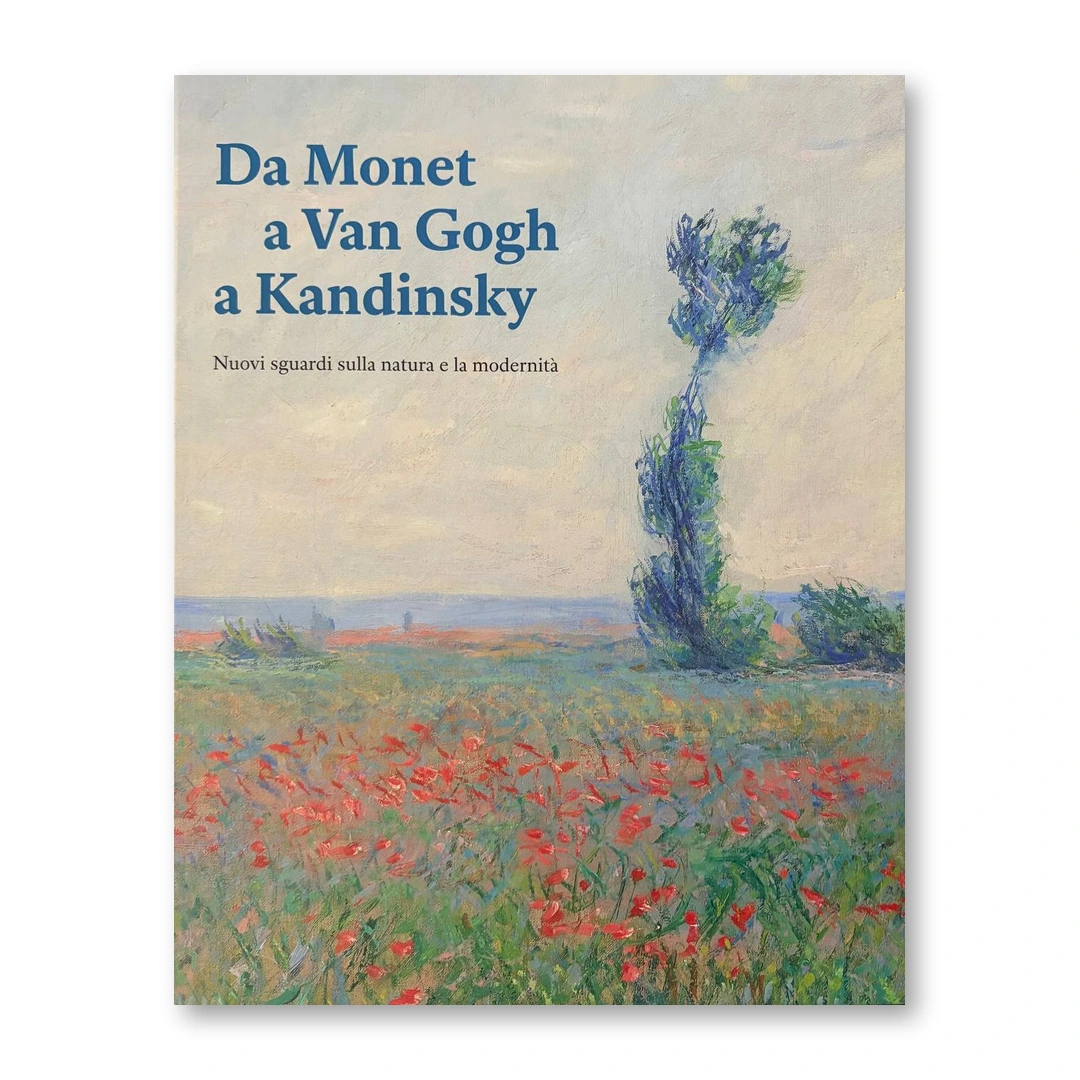
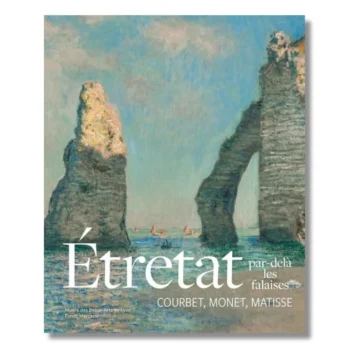
This richly illustrated exhibition catalog explores the changing representation of nature in European art from the nineteenth century to the emergence of modernism. Through landscapes, experimental compositions, and increasingly abstract interpretations of the natural world, the publication traces how artists transformed traditional approaches to painting and developed new ways of seeing.
Drawing on the renowned collection of Museum Boijmans Van Beuningen in Rotterdam, alongside works from Italian public and private collections, the catalog examines how the exploration of light, color, and composition reshaped European painting. From the naturalistic landscapes of Realism to the atmospheric effects of Impressionism and the expressive innovations of early modern art, nature emerges as a central source of artistic experimentation.
Featuring works by Claude Monet, Pierre-Auguste Renoir, Camille Pissarro, Alfred Sisley, Edgar Degas, Berthe Morisot, Vincent van Gogh, Paul Gauguin, Paul Signac, Pierre Bonnard, Pablo Picasso, Wassily Kandinsky, and Piet Mondrian, the publication traces the evolution of European painting from Impressionism and Post-Impressionism to the emergence of modern abstraction. Italian artists, including Giovanni Fattori, Giovanni Segantini, Giovanni Boldini, and Umberto Boccioni, provide a broader perspective on the artistic developments of the period.
Organized around nine thematic sections, the exhibition brings together diverse artistic responses to the natural world, examining how changing perceptions of landscape reflected broader cultural and intellectual transformations. Accompanied by scholarly essays and reproductions of paintings, drawings, and works on paper, the catalog offers a comprehensive perspective on the relationship between nature and modern artistic expression.
Published by Fondazione Ferrara Arte in 2026, this substantial volume is a valuable reference for collectors, art historians, and readers interested in European landscape painting, Impressionism, Post-Impressionism, Symbolism, Expressionism, and the origins of modern abstraction.


Reviews
There are no reviews yet.